

By Rotmwa Paulina Kassam
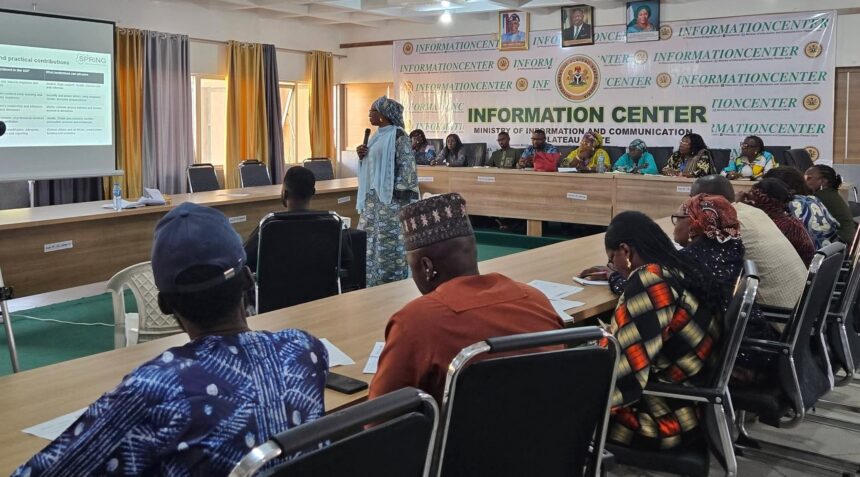
Efforts to strengthen gender-inclusive peacebuilding and security in Plateau State have received a boost following a capacity-building workshop for members of the Plateau State Action Plan Implementation Committee (SAPIC) on Women, Peace and Security (WPS).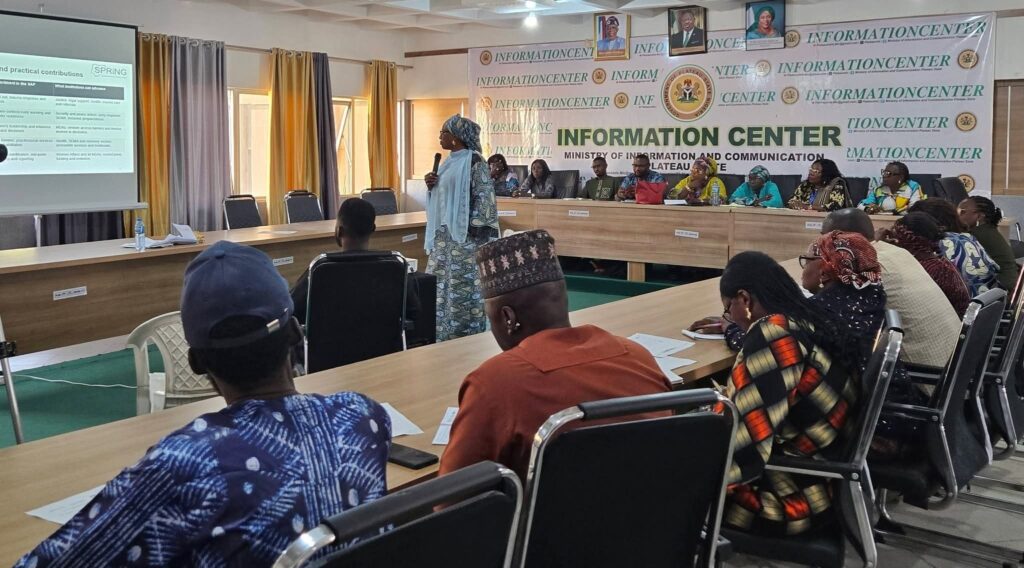
The workshop, held in Jos, was supported by the United Kingdom’s Foreign, Commonwealth and Development Office (FCDO) through the Strengthening Peace and Resilience in Nigeria (SPRiNG) Programme.
The training focused on strengthening the committee’s institutional capacity, reviewing its mandates and governance structures, and improving coordination among stakeholders to ensure effective implementation of Plateau State’s Women, Peace and Security Action Plan.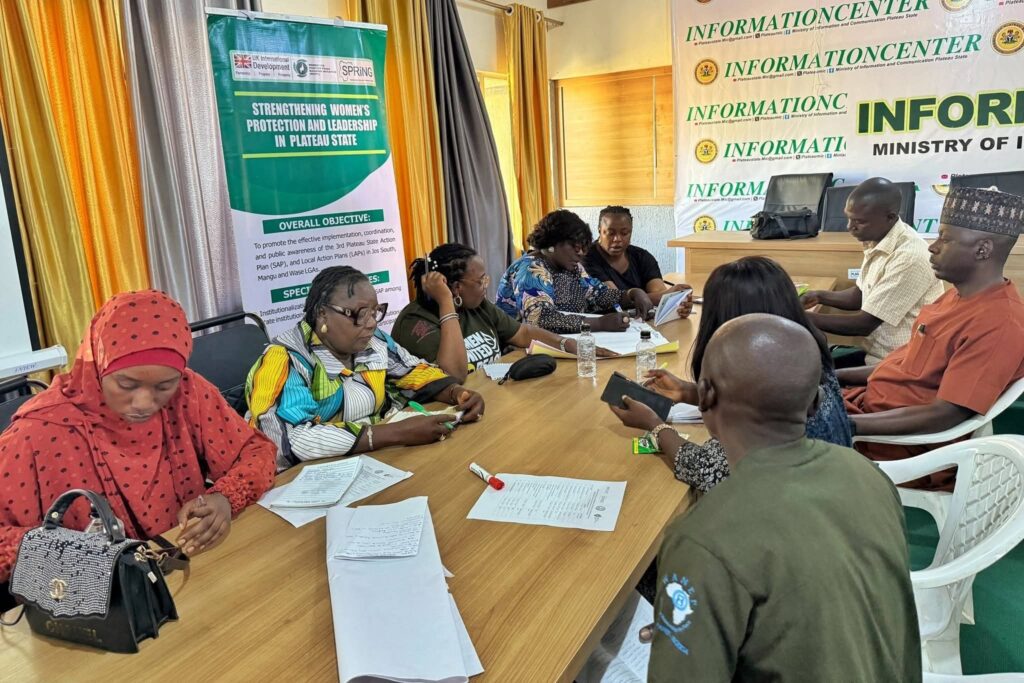
Facilitated by the SPRiNG Programme’s Gender Equality, Disability and Social Inclusion (GEDSI) Lead, Hajiya Amina Bello, the workshop also examined strategies for integrating costed sectoral workplans into the four pillars of the WPS agenda.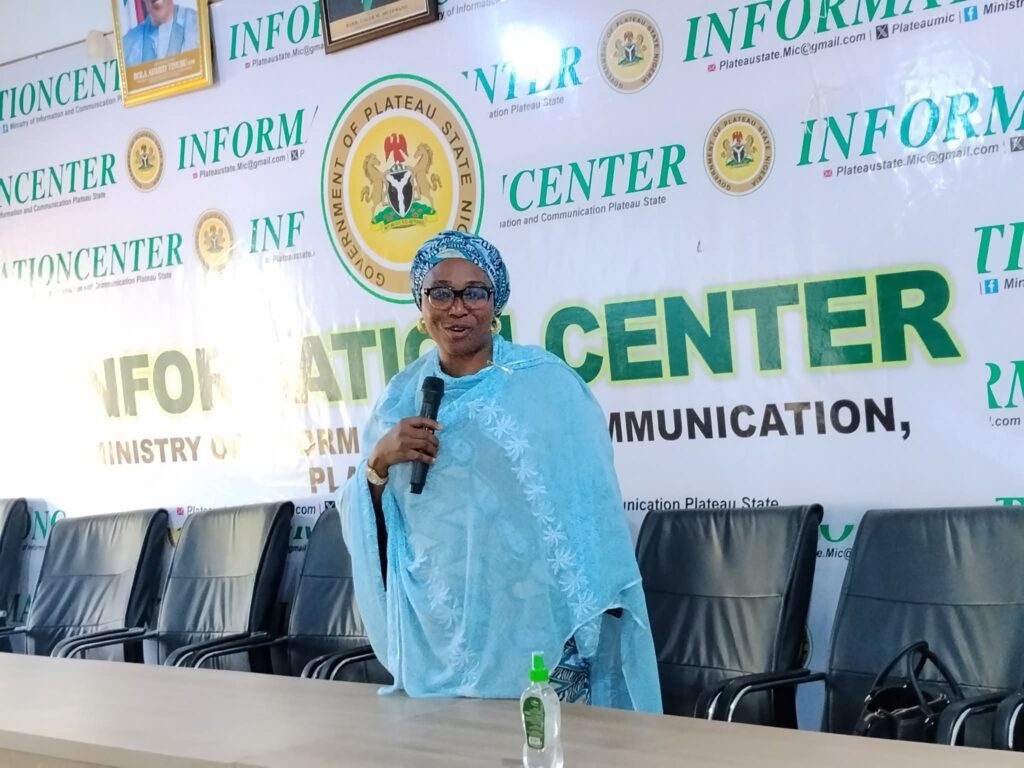
Bello emphasised the need to move women beyond passive participation to positions where they can actively influence peacebuilding processes, security decisions and post-conflict recovery efforts.
She identified the prevention and response to sexual and gender-based violence (SGBV), including conflict-related sexual violence, as critical priorities, stressing the importance of community sensitisation, survivor-centred support services and access to justice.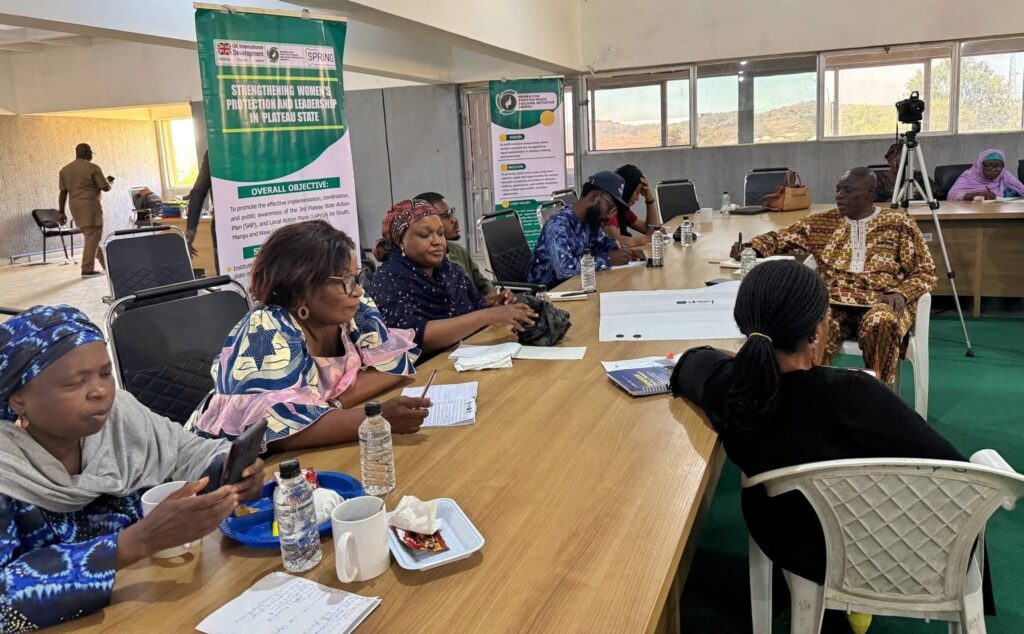
She noted that survivors must have access to specialised medical care, psychosocial support and appropriate legal services, while community and traditional leaders should be engaged in preventing violence and challenging harmful practices.
The workshop also highlighted economic empowerment as an essential component of sustainable peace, with the SPRiNG Programme expanding livelihood opportunities for conflict-affected women, youths and survivors of violence to strengthen their economic independence and community resilience.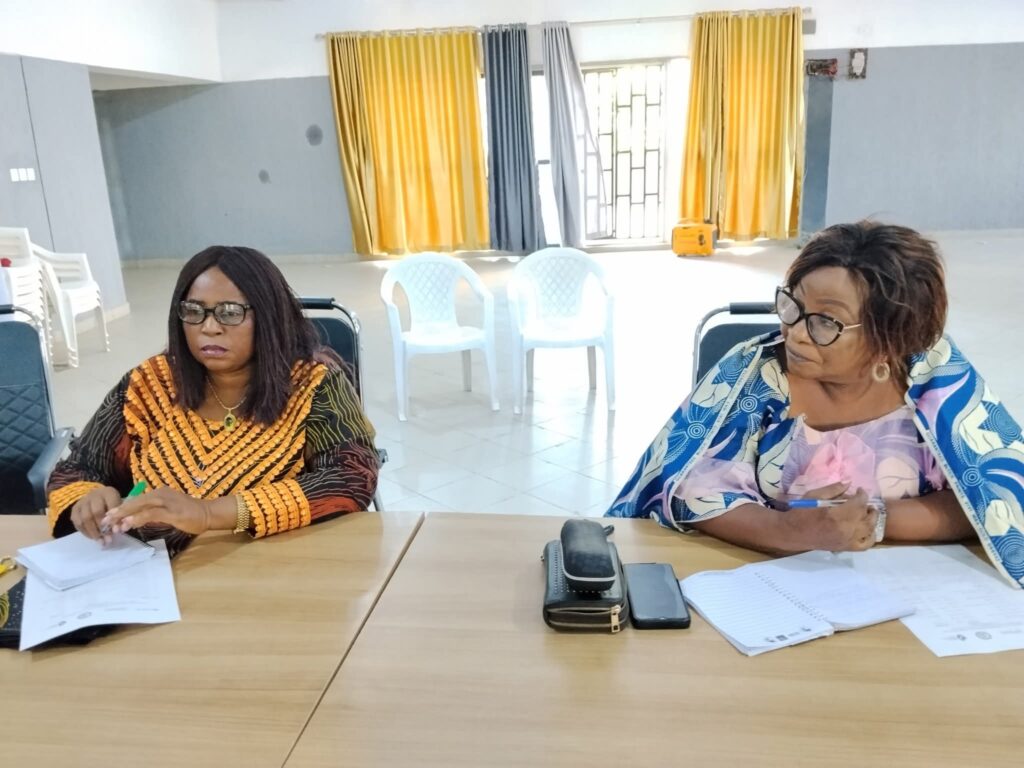
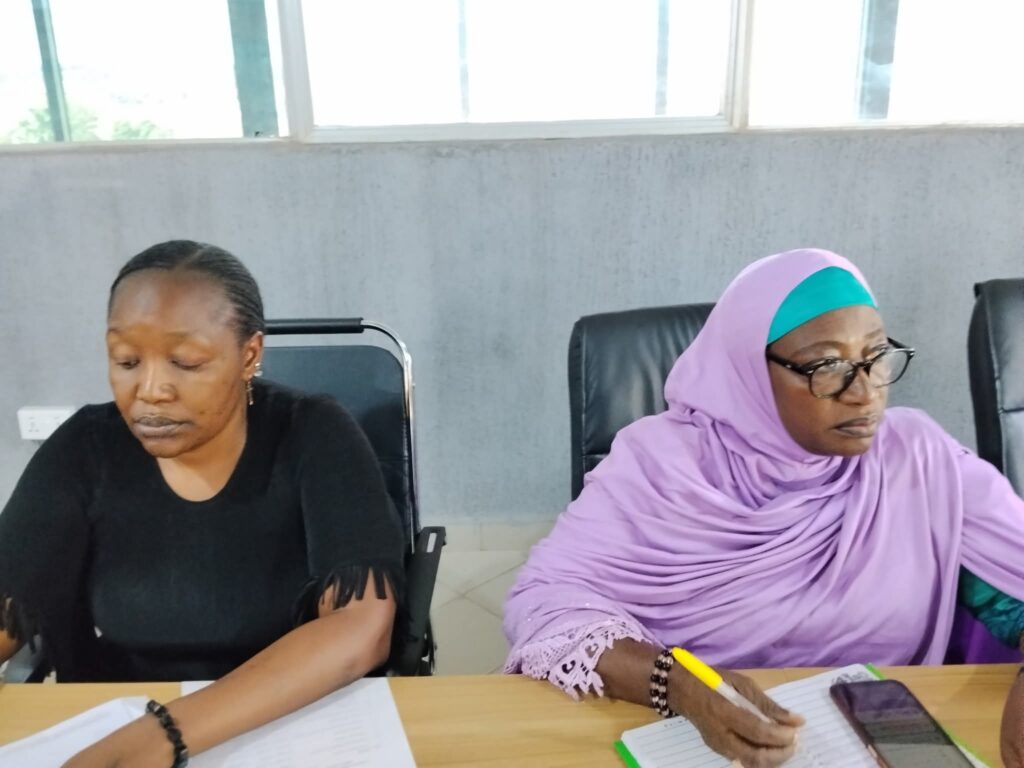
Participants further acknowledged the contributions of civil society organisations, including the Women Right to Education Programme, in strengthening grassroots peacebuilding networks, addressing women’s security concerns and promoting women’s participation in community mediation structures.
Speaking on behalf of the Plateau State Government, the Director of Women Affairs in the Ministry of Women Affairs and Social Development, Mrs. Maureen Dahkim, reaffirmed the government’s commitment to improving the safety and protection of women, particularly in rural communities affected by recurring violence.
She observed that insecurity had disrupted rural livelihoods, leaving many women displaced and unable to return safely to their farmlands to support their families.
Dahkim stressed the importance of collaboration among government institutions, faith-based organisations, traditional authorities and civil society groups in achieving the objectives of the state action plan.
She described women as critical pillars of family and community stability, noting that their protection and meaningful participation were essential to sustainable recovery and peacebuilding.
Earlier, in her opening remarks, Hajiya Lantana Abdullahi Bako commended participants, government officials and development partners for their continued commitment to strengthening gender-responsive security policies and peacebuilding initiatives in Plateau State.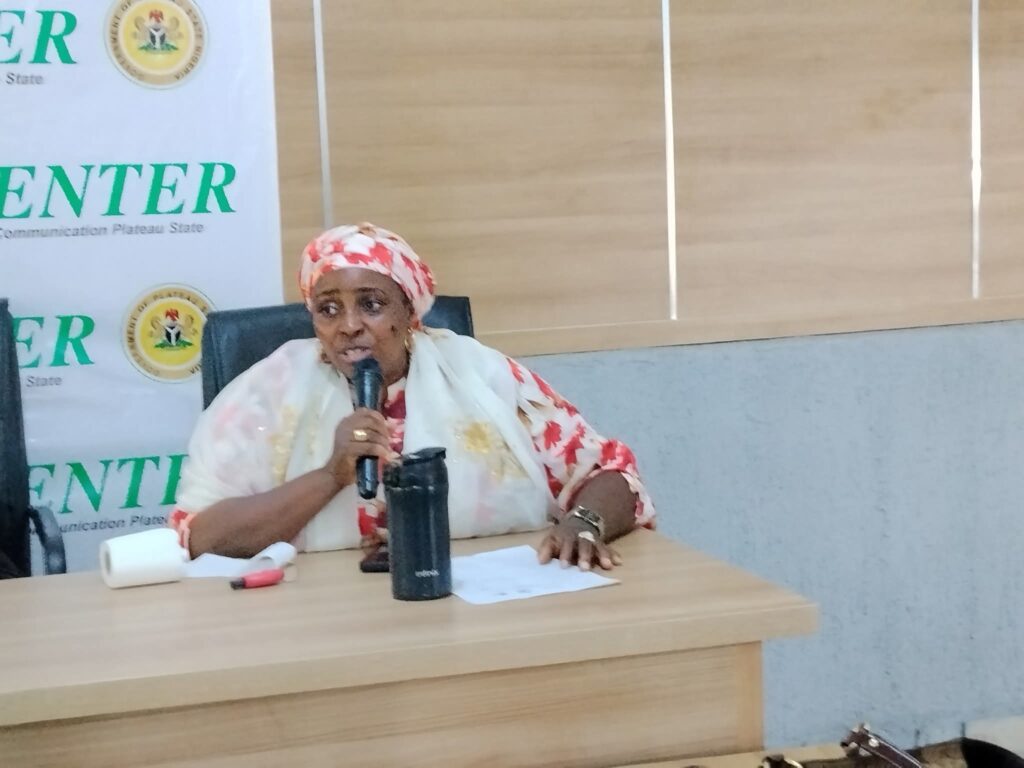
The workshop also provided an opportunity for participants to assess challenges affecting effective responses to crises and gender-based violence across local government areas.
Key concerns raised included cultural barriers that discourage reporting of gender-based violence, the stigmatisation of survivors and poor coordination among legal, health and law enforcement institutions.
Participants also expressed concern over the limited availability of Sexual Assault Referral Centres (SARCs) in the state, noting that only two functional centres currently serve the population.
They called for increased government investment in specialised crisis support centres, standardised documentation procedures and clearly defined referral pathways to ensure survivors receive timely and coordinated assistance across the state.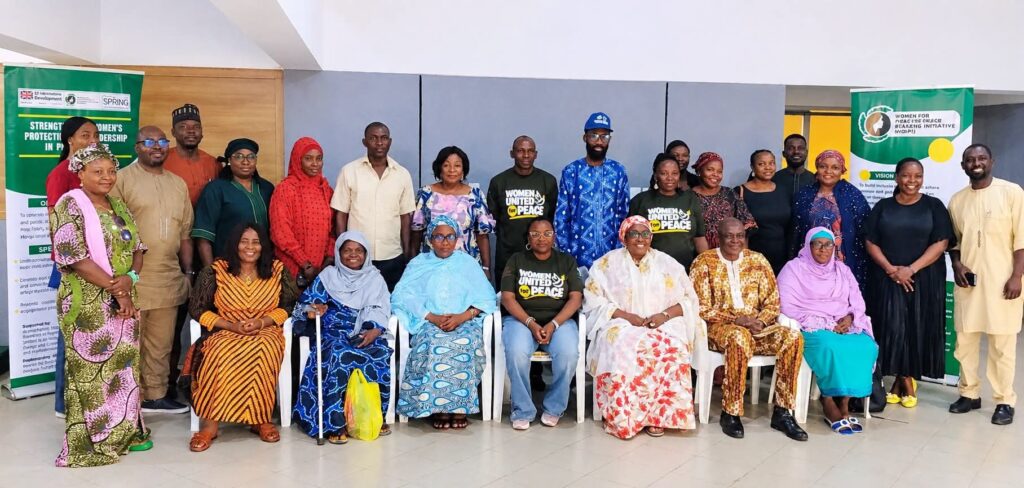
The workshop ended with a renewed commitment by SAPIC members and other stakeholders to strengthen coordination, accountability and the effective implementation of the Women, Peace and Security Action Plan.
They pledged to ensure that the state’s commitments translate into measurable improvements in the protection of women and girls, access to justice and women’s meaningful participation in peace and security decision-making.