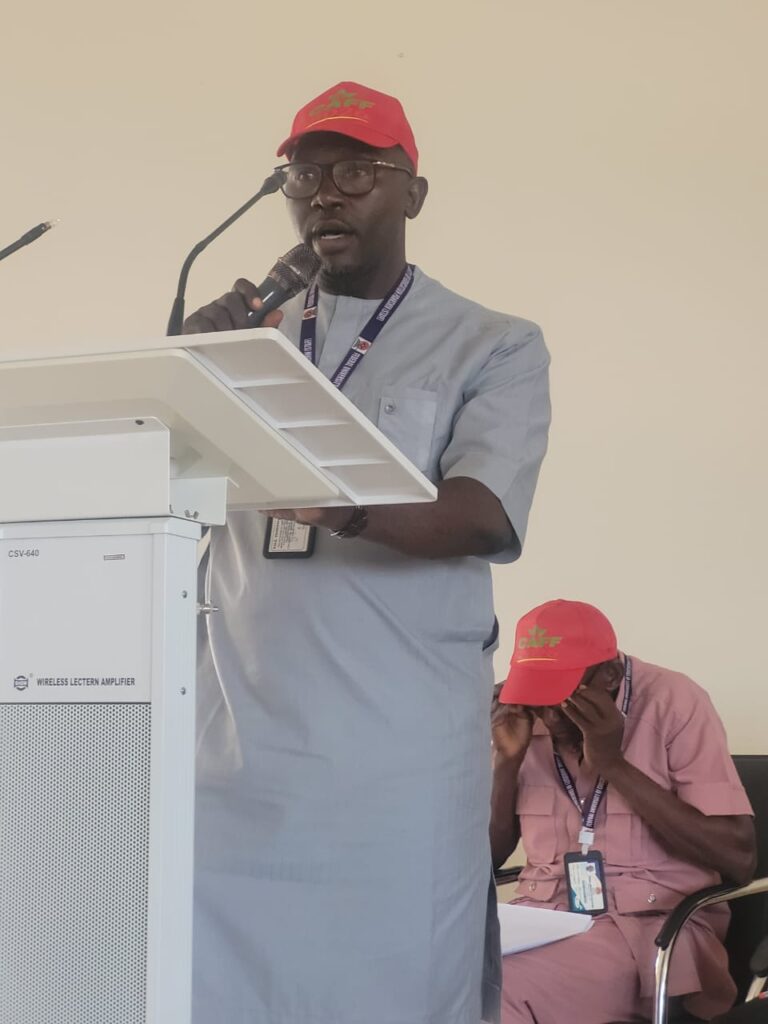


PANKSHIN — Stakeholders at the Gwomshar Community Initiative Colloquium in Pankshin, Plateau State, have called for urgent action to preserve indigenous foods and cultural heritage. The colloquium, themed “Preserving Our Heritage, Nourishing Our Future,” brought together academics, community representatives, youths and traditional custodians to highlight the nutritional, economic, environmental and cultural value of forgotten foods.
Speaking at the event, the Vice-Chancellor of the Federal University of Education Pankshin (FUEP), Prof. Noel Nenman Wannang, represented by the Deputy Vice-Chancellor (Academic), Prof. Antonia Chukwu, said the increasing adoption of Western food habits was contributing to the decline of indigenous culinary traditions.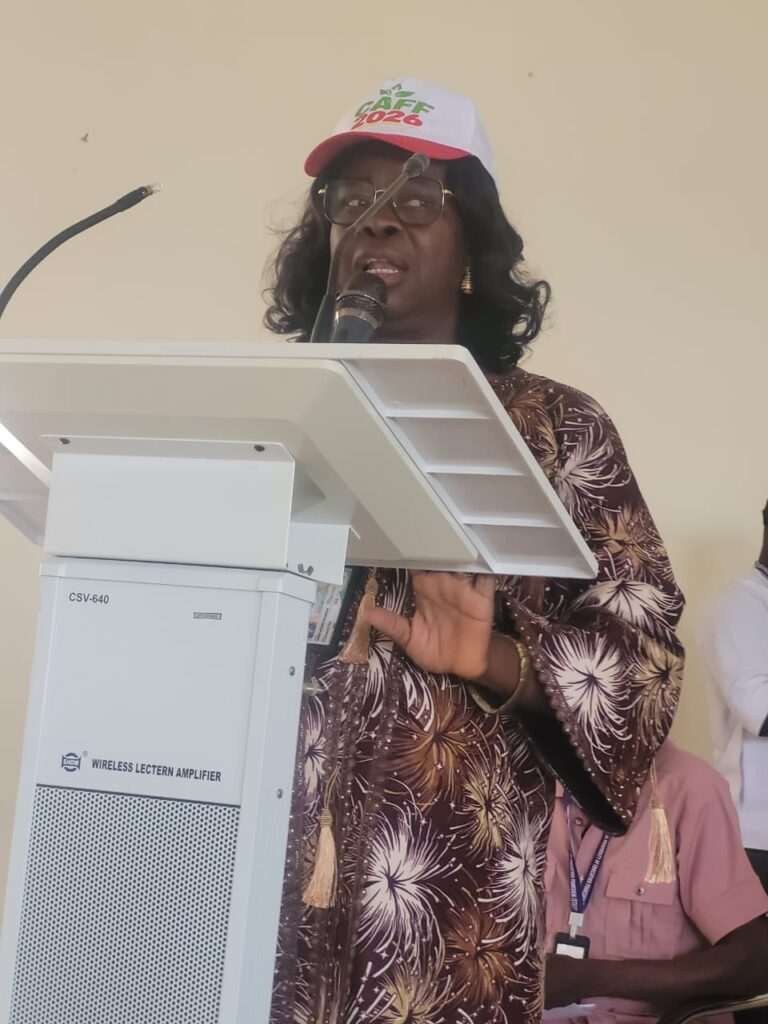
 He noted that many traditional foods possess important nutritional and medicinal values and urged communities to revive their cultivation and consumption.
The Head of Department, Sustainable Development Studies, FUEP, Dr. Wilfred Biska Lawrence, said indigenous crops could contribute significantly to biodiversity conservation, climate resilience and improved health.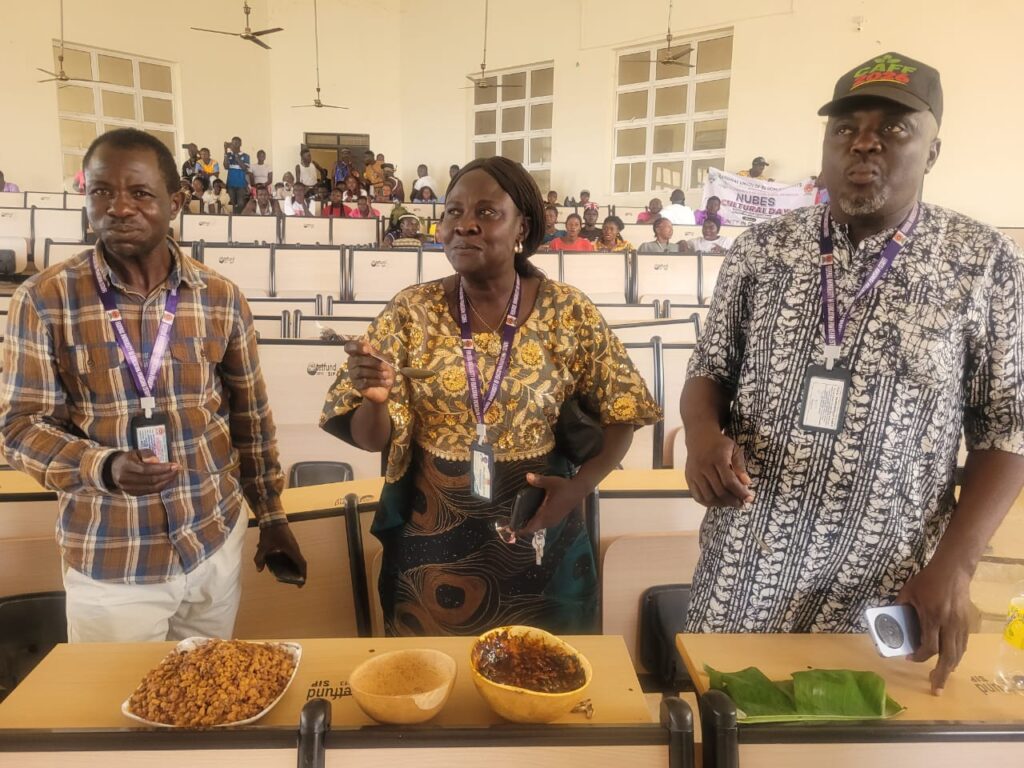 Dr. John W. Darbe urged youths to explore entrepreneurship opportunities in the processing and commercialisation of underutilised indigenous crops, while Assoc. Prof. Dayok Samuel Tanko stressed the importance of indigenous crops in strengthening Nigeria’s food security.
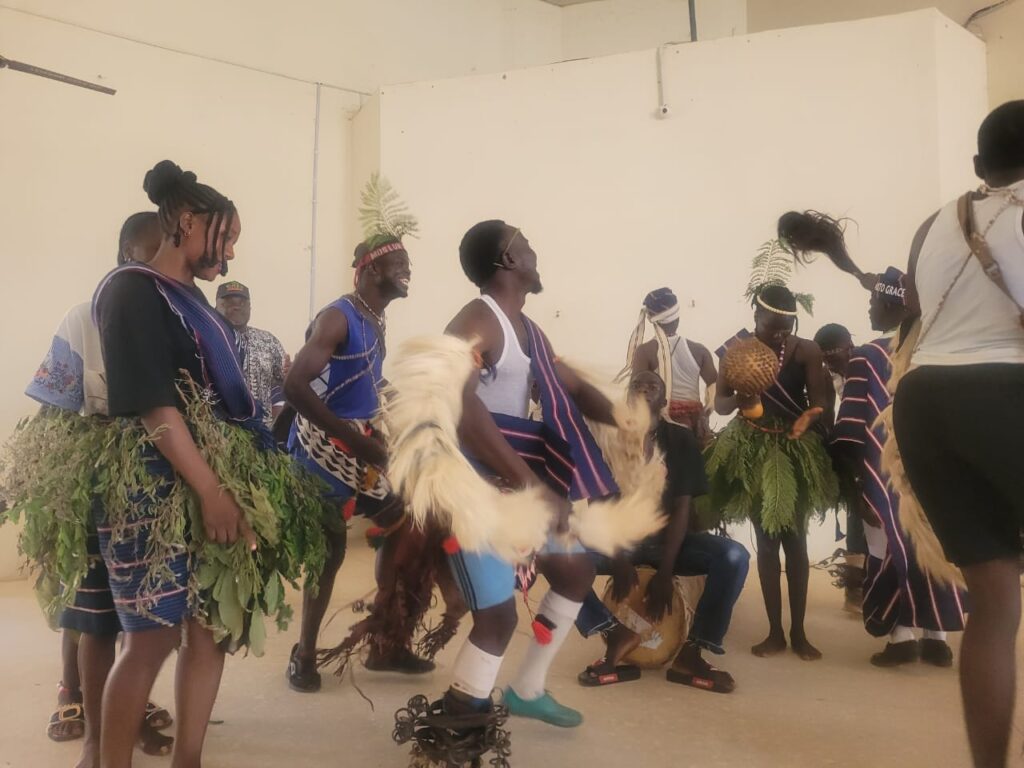
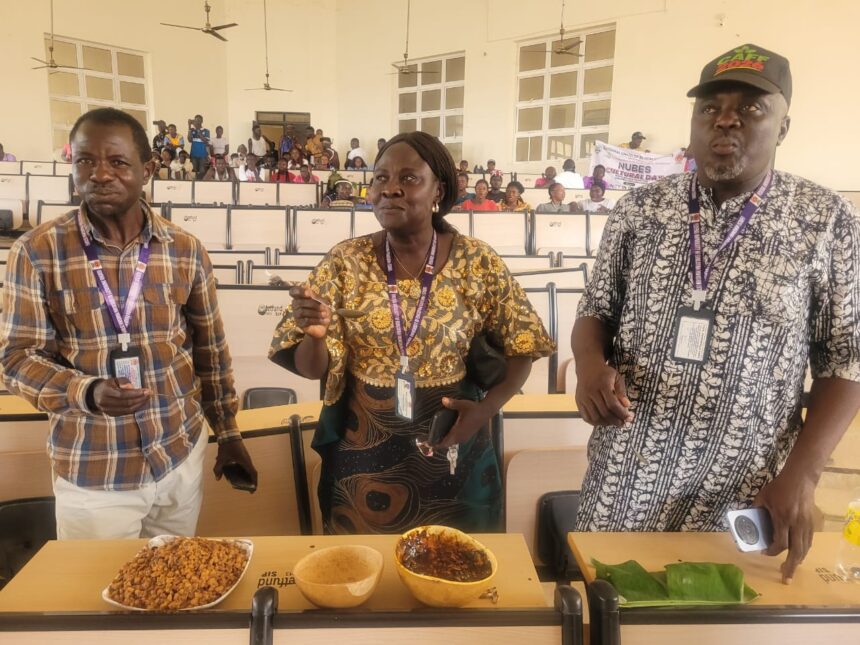
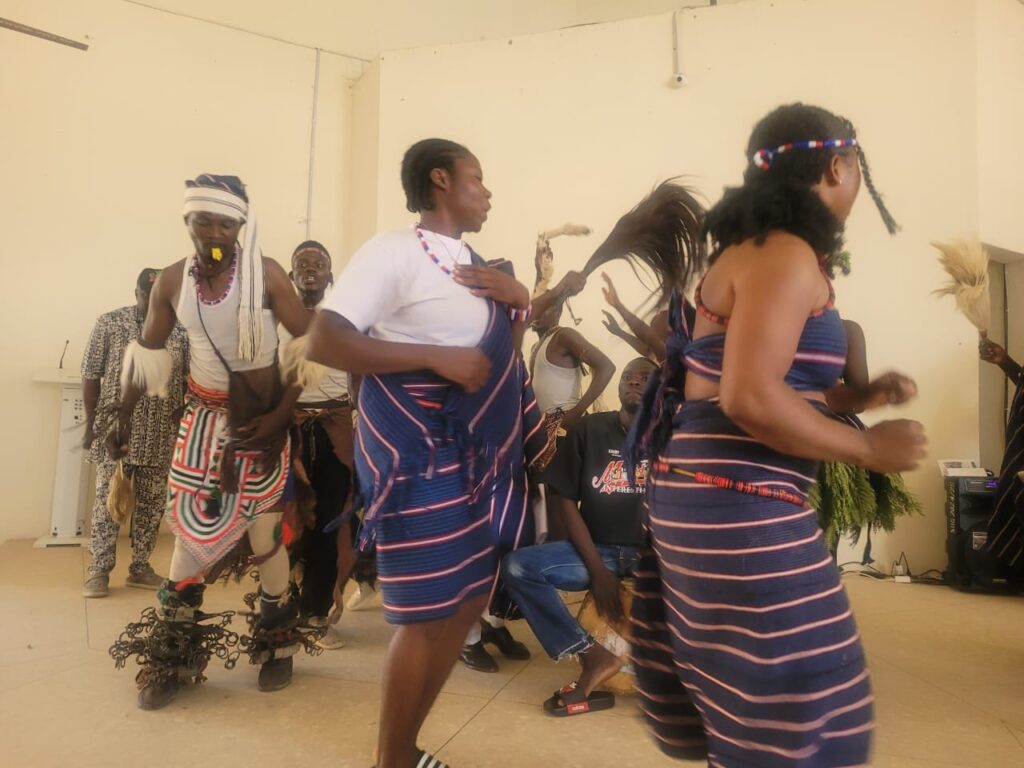
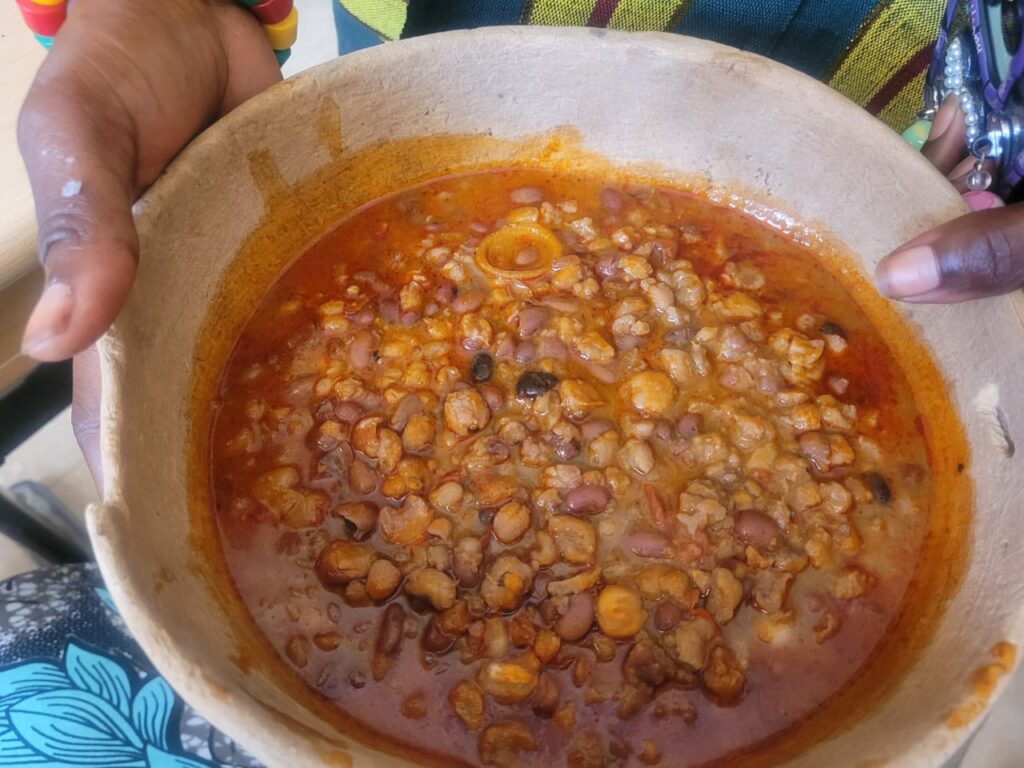
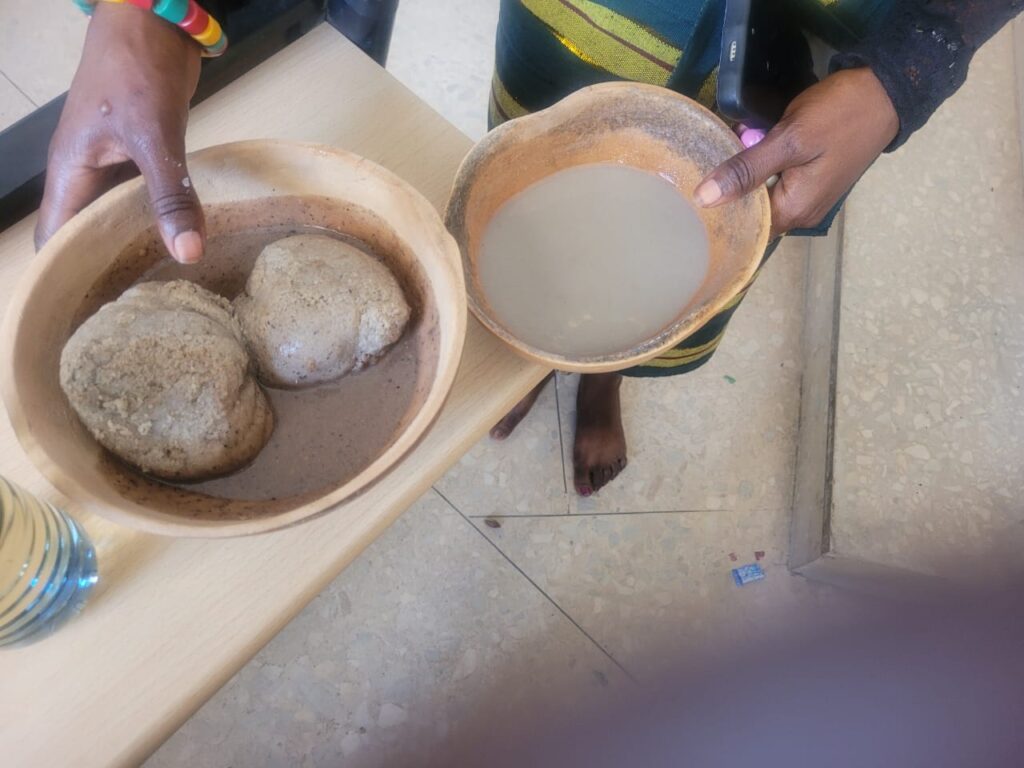
The colloquium also featured a colourful cultural and food exhibition, with the Ngas, Berom, Mwaghavul and Ron communities showcasing traditional dances, attire and indigenous delicacies.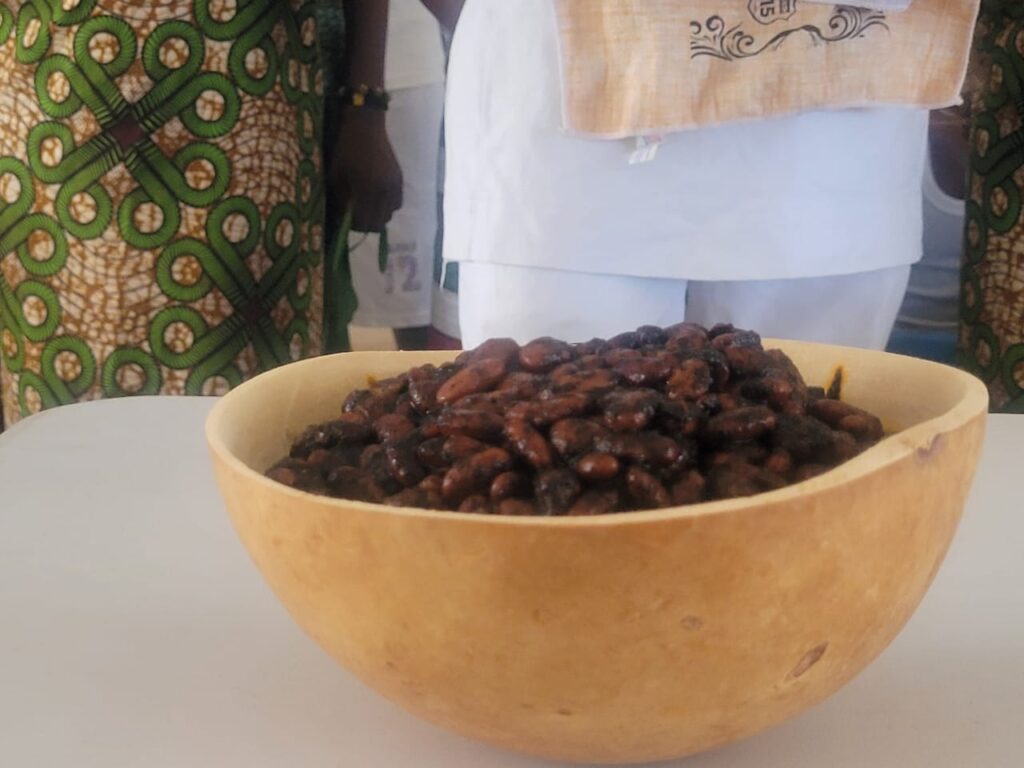
 The initiative followed a grant secured by the convener, Miss Favour Dalis, through the TETFund Centre of Excellence at FUEP.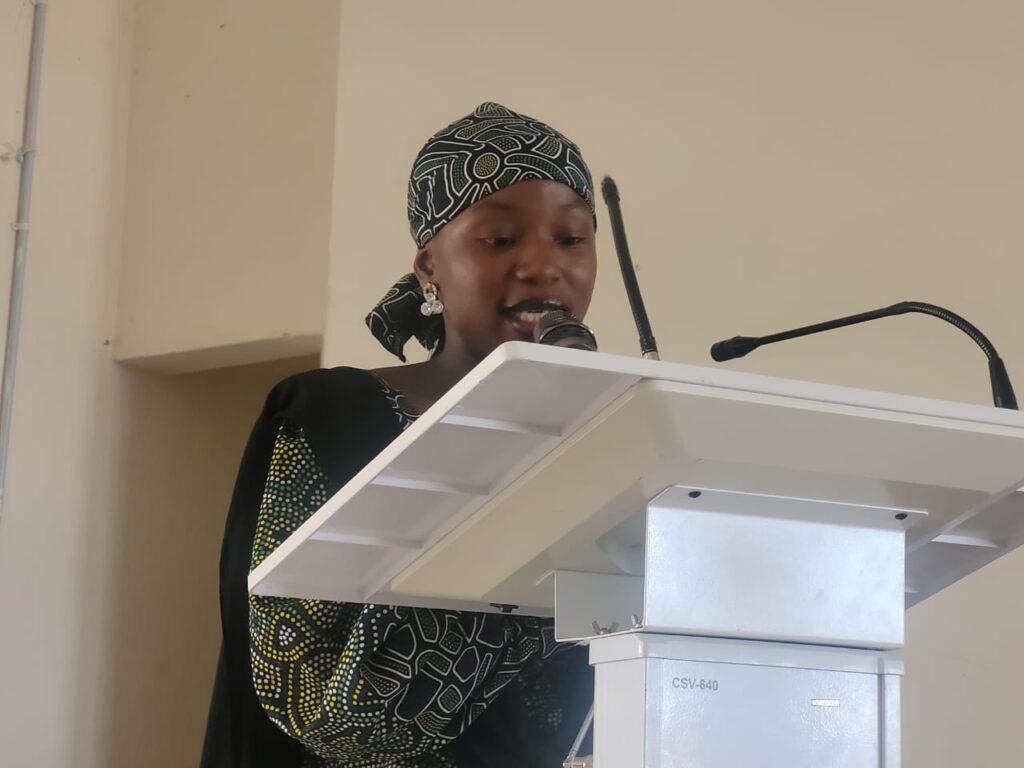
 In his closing remarks, FUEP Registrar, Mr. Longtong Yadok, urged participants to take the message of the colloquium beyond the event by reintroducing indigenous foods into their homes, farms and daily diets.