

From renovated schools and solar-powered boreholes to roads and irrigation facilities, delegates witness ongoing government interventions in four local government areas
The Go See Plateau Initiative has concluded its tour of the Southern Zone of Plateau State, providing delegates with an opportunity to visit communities and assess ongoing and completed government interventions under the administration of Governor Caleb Mutfwang.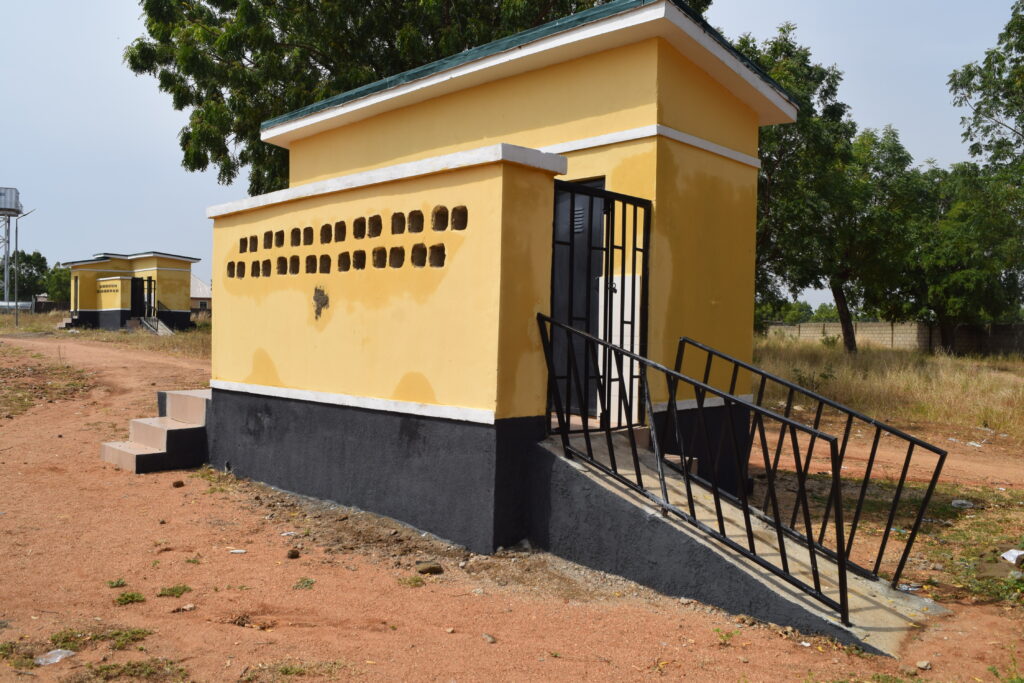
The tour, which covered Mikang, Langtang North, Langtang South and Shendam Local Government Areas, offered participants firsthand exposure to development projects across critical sectors, including education, water supply, rural road infrastructure, agriculture and socioeconomic development.
The exercise forms part of the initiative’s broader objective of bridging the gap between government and non-state actors through direct engagement, project visibility and strengthened collaboration towards sustainable development.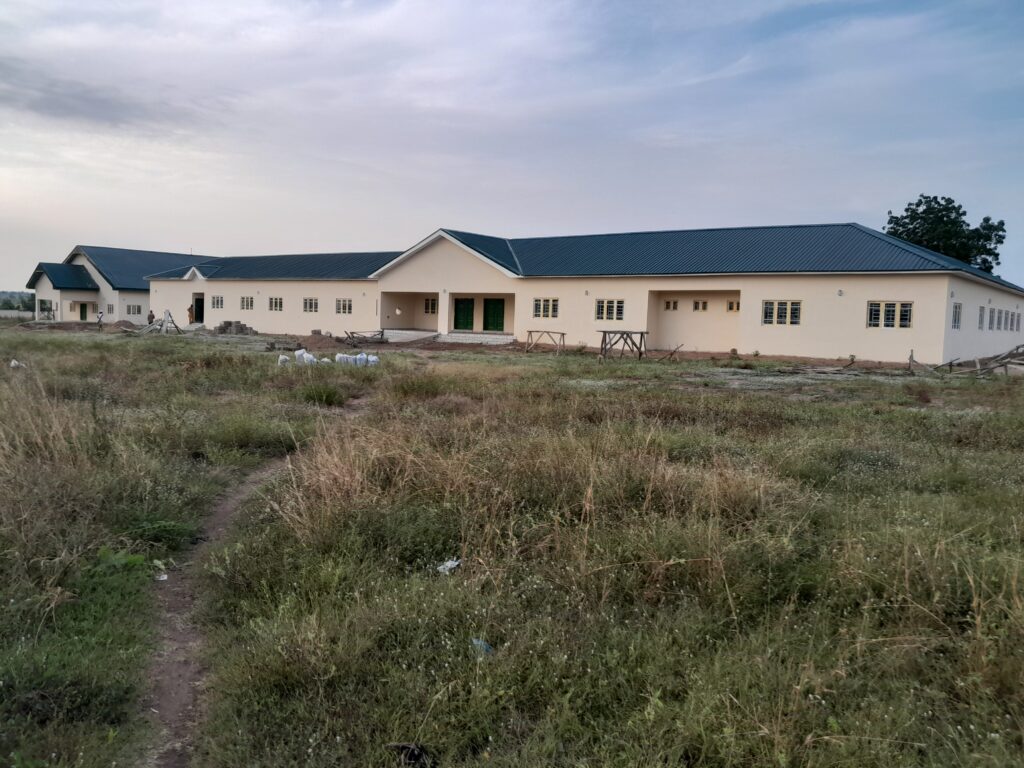
Organised and coordinated by the Special Adviser to the Governor and Coordinator on NGOs, Helen Philemon Haggai, in collaboration with the Ministry of Information and Communication, the Go See Plateau Initiative is designed to promote mutual trust, encourage transparency and deepen partnerships between government institutions, civil society organisations and other development stakeholders.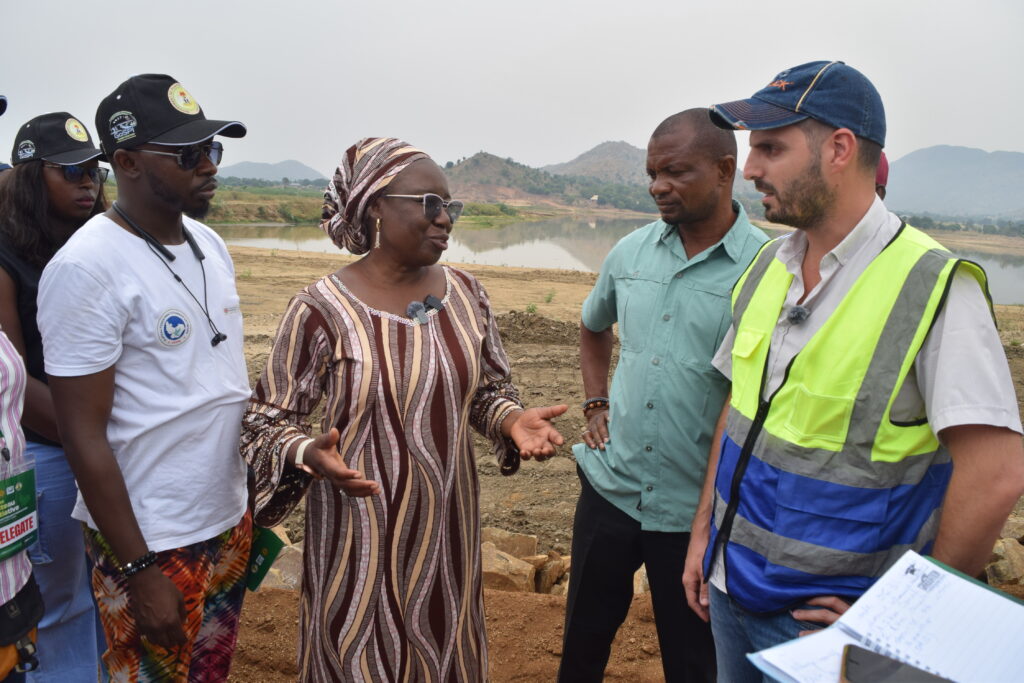
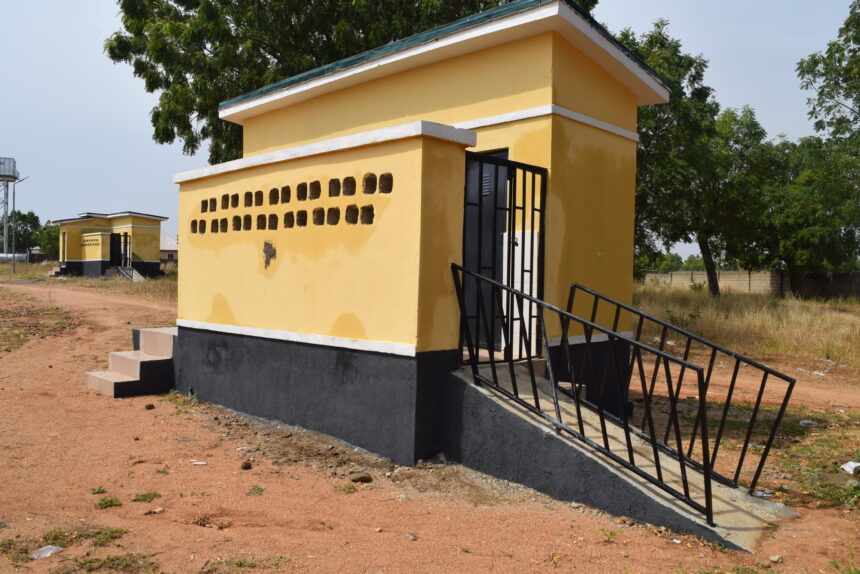
One of the major areas of focus during the Southern Zone tour was the education sector, where delegates observed the transformation of previously dilapidated public school structures into improved learning facilities.
Through interventions facilitated by the Plateau State Universal Basic Education Board (SUBEB), several schools have undergone rehabilitation, with modern infrastructure, solar-powered electricity and other essential facilities introduced to improve the learning environment and support teaching and educational delivery in rural communities.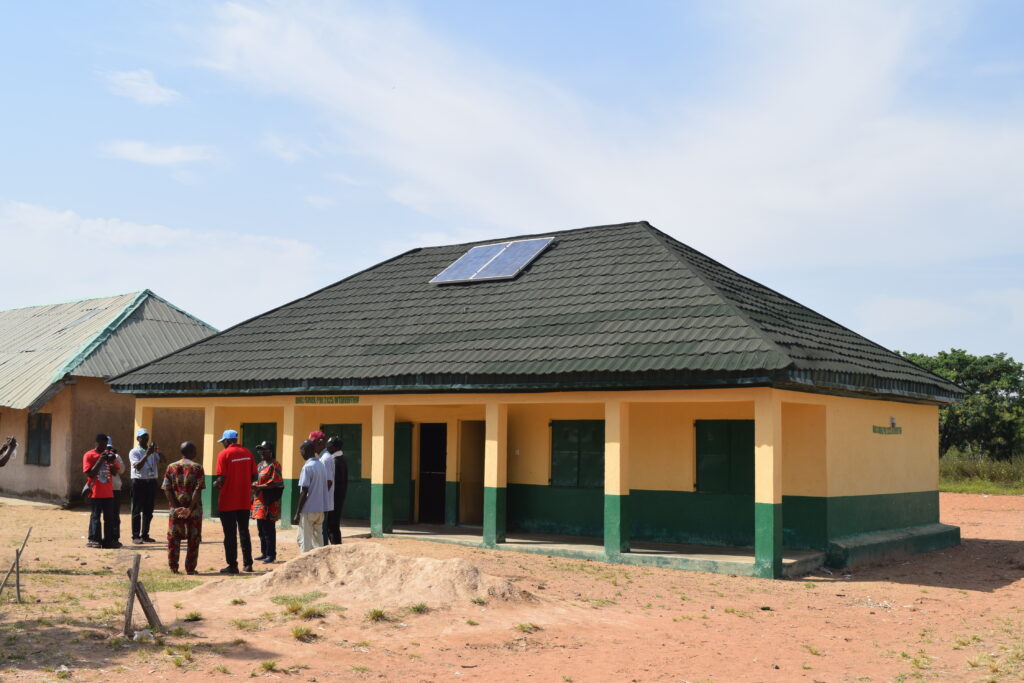
The delegation also examined interventions addressing longstanding water challenges, particularly in Langtang North and Langtang South, where access to reliable water supply has remained a major concern for residents.
With work progressing on the water supply dam project, there are expectations of improved access to potable water for communities in the affected areas upon completion. In the meantime, the provision of solar-powered boreholes is serving as an interim intervention to ease the burden on residents and improve access to water.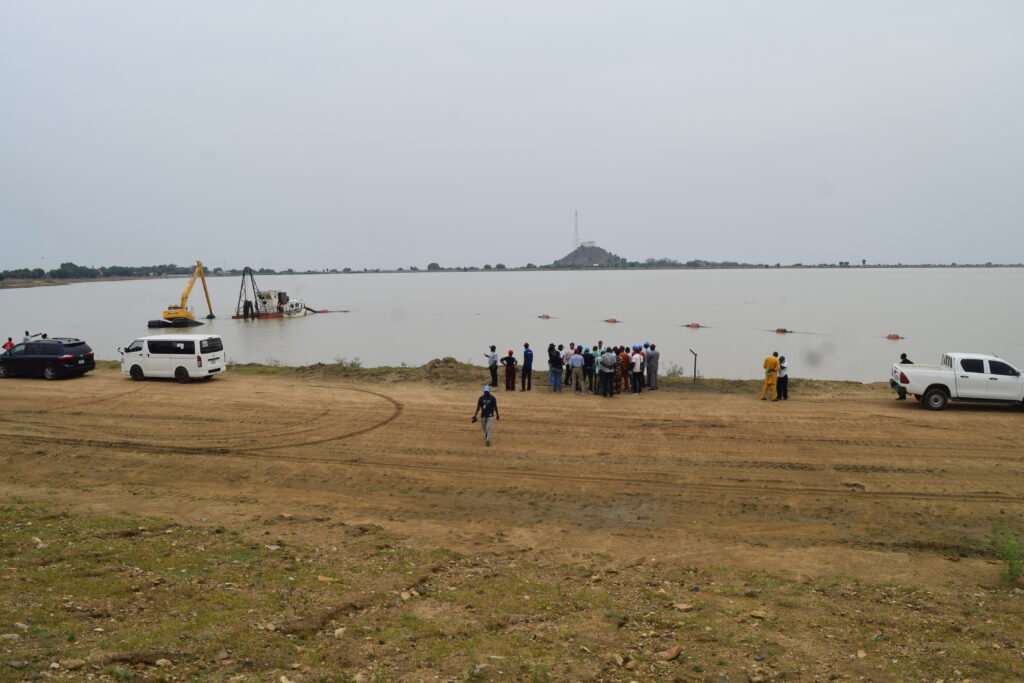
In the agricultural sector, delegates observed efforts to improve rural connectivity through the Rural Access and Agricultural Marketing Project (RAAMP), which is opening up farming communities through the construction and rehabilitation of feeder roads.
The intervention is expected to address transportation difficulties, improve access to markets and strengthen the movement of agricultural produce from rural communities to commercial centres.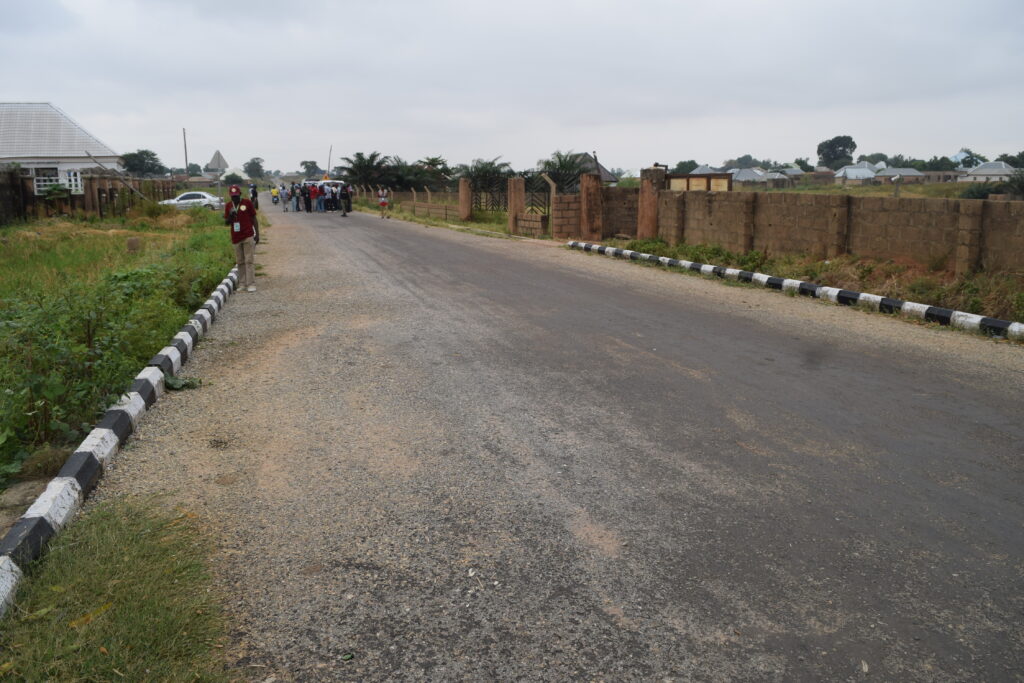
Irrigation farmers are also benefiting from interventions under the Agro-Climatic Resilience in Semi-Arid Landscapes (ACReSAL) project, which is supporting efforts to improve agricultural productivity, strengthen climate resilience and promote sustainable management of natural resources.
Beyond the physical infrastructure, the tour provided an opportunity for delegates to interact with communities and appreciate how development interventions are being implemented at the grassroots, particularly in areas where access to basic services and economic opportunities remains a priority.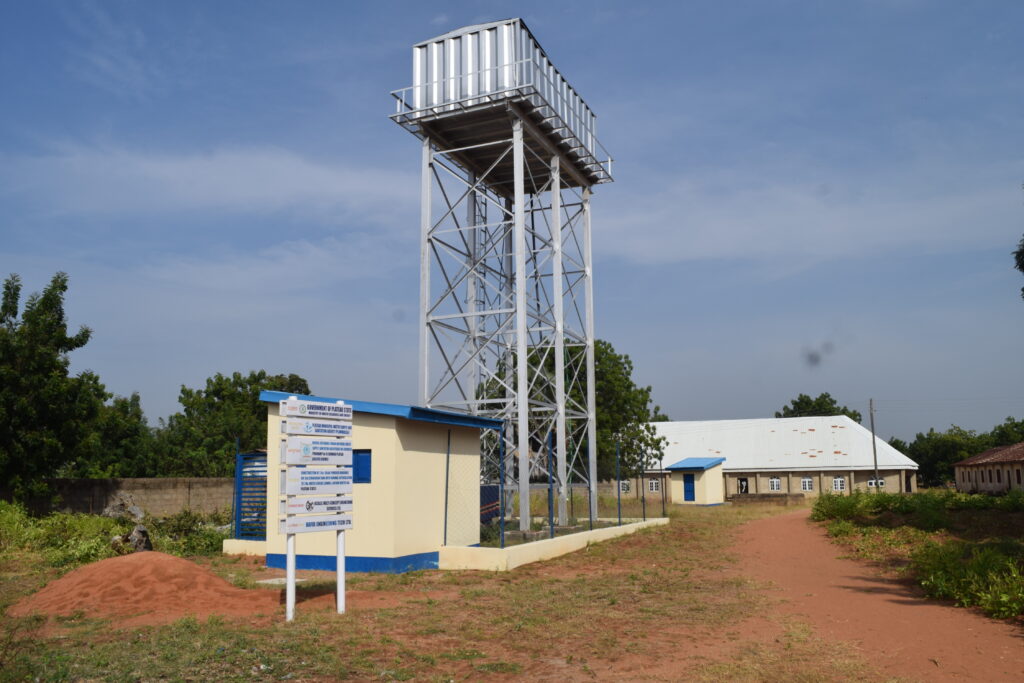
The approach reflects the central philosophy of the Go See Plateau Initiative: allowing stakeholders to move beyond reports and official presentations to experience projects directly, engage beneficiaries and obtain a clearer understanding of development activities across the state.
As the delegation prepares to proceed to the Central Zone of Plateau State, the Southern Zone experience has added another dimension to the initiative’s statewide engagement, with emphasis on direct observation, community interaction and constructive collaboration.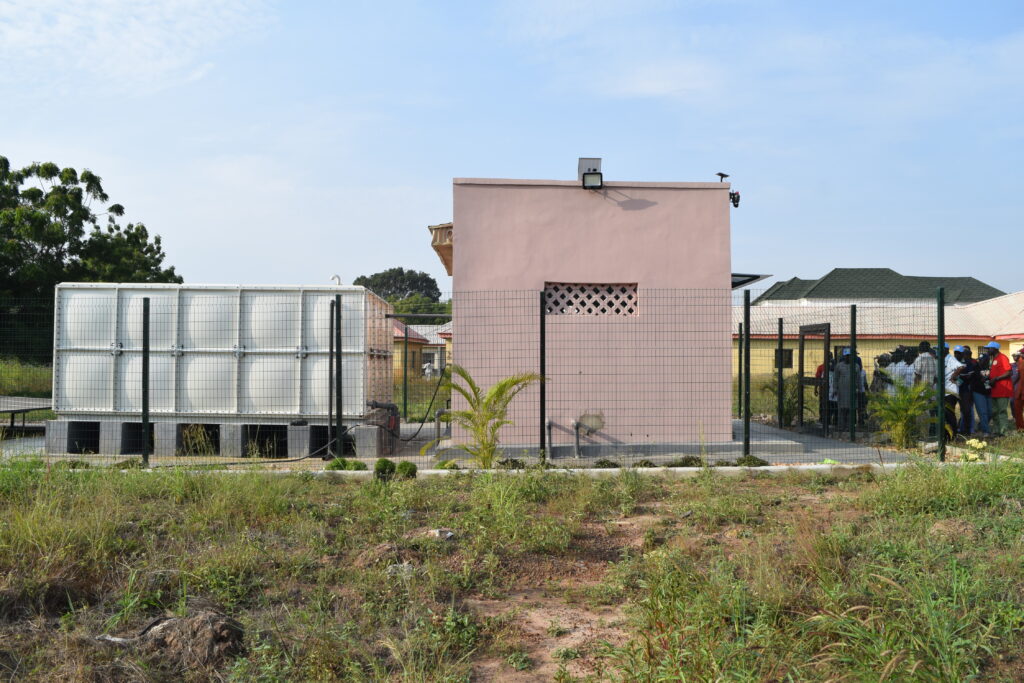
For the delegates, it was indeed a journey of “Feel, See and Touch” — an opportunity to witness development interventions firsthand and examine their relevance to the everyday needs of rural communities.