

By Christy Tamai
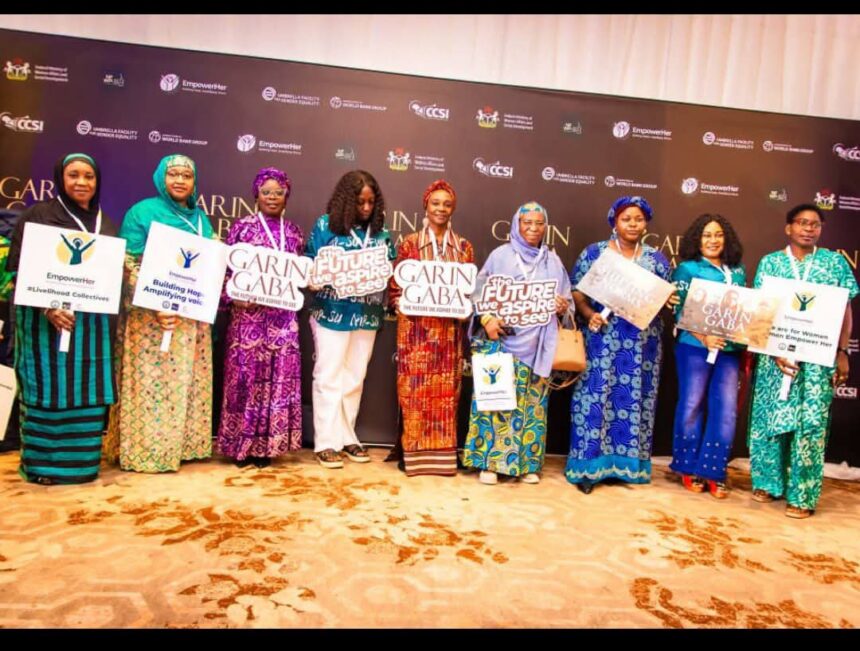
The 2026 Social Norms Conference has called for stronger collaboration among government institutions, development partners, community leaders and other stakeholders to challenge harmful social norms that undermine the rights, opportunities and economic advancement of women and girls.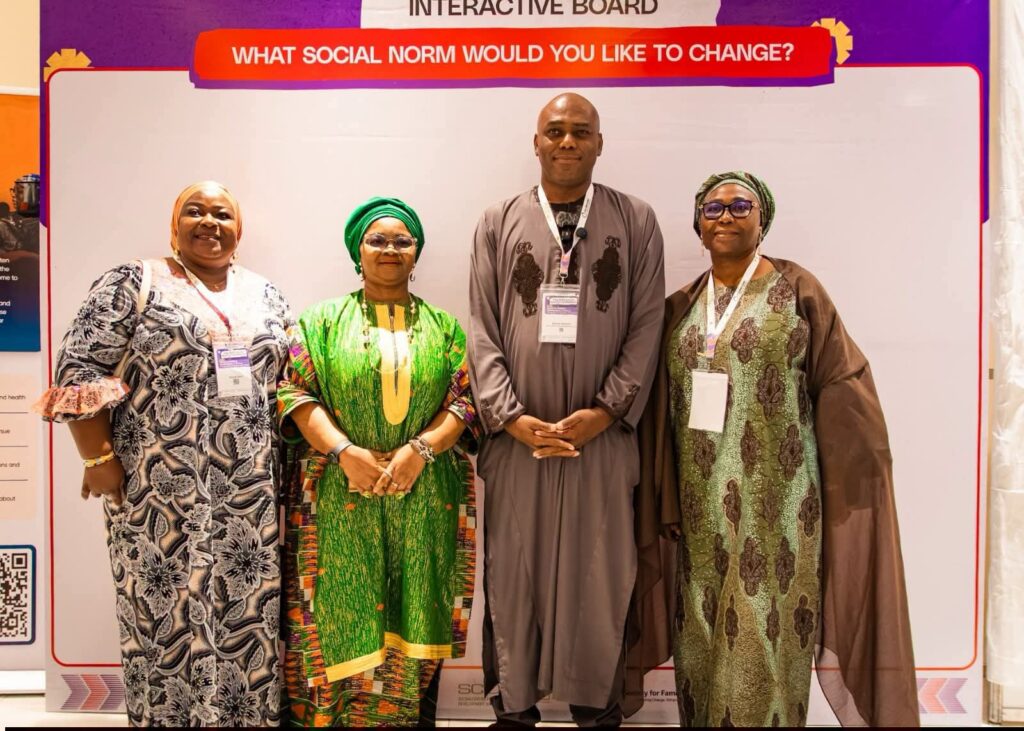
The two-day conference, organised by the Social Norms and Agency Learning Collaborative in partnership with the Nigeria for Women Programme Scale-Up (NFWP-SU), Solina Centre for International Development and Research (SCIDaR), Society for Family Health and other organisations, held from October 29 to 30, 2026, at the Abuja Continental Hotel, Abuja.
With the theme, “Norms in Shifting Landscapes: Powering Progress for People and Places,” the conference provided a platform for knowledge exchange, experience sharing and discussions on strategies for addressing harmful social norms that continue to influence attitudes, behaviours and opportunities across communities.
Through keynote addresses, paper presentations, workshops, film screenings and panel discussions, participants examined deeply rooted cultural beliefs and practices that often go unquestioned despite their negative effects on women and girls.
Discussions highlighted how restrictive norms continue to limit women’s access to healthcare, education, economic opportunities and decision-making, partly because individuals and groups who enforce such practices benefit from maintaining existing power structures.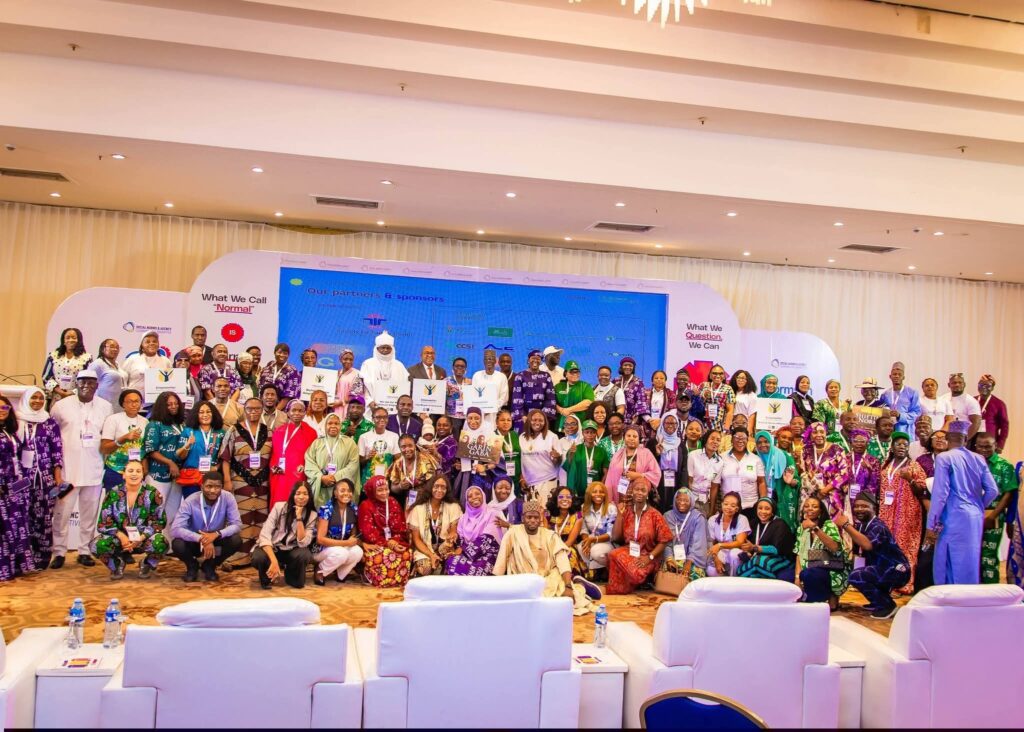
Participants also identified Social and Behaviour Change Communication (SBCC), particularly storytelling, as an effective tool for challenging harmful beliefs, reshaping public perceptions and encouraging positive behavioural change. They stressed the need to balance the preservation of indigenous cultural values with contemporary approaches to addressing social challenges.
In his presentation, the Task Team Lead (TTL), Michael Ilesanmi, emphasised that women’s economic empowerment would remain incomplete without deliberate efforts to address the social norms that shape their lives and restrict their participation in decision-making.
Ilesanmi disclosed that since the commencement of the Nigeria for Women Programme, complaints by women about their husbands’ failure to provide for their needs had reportedly reduced by 90 per cent.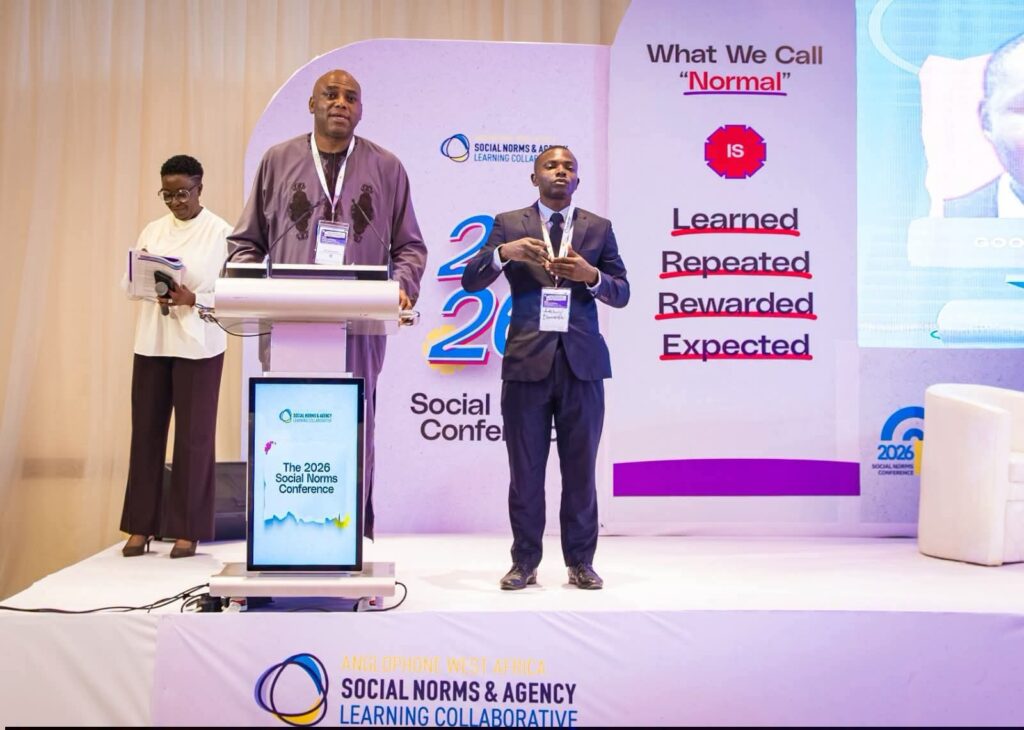
Sharing a personal experience, he recalled growing up with a strong mother who took responsibility for his educational needs, noting that women’s contributions to family welfare and societal development must be recognised and valued.
The conference also featured scientific presentations, project showcases and an award session, providing organisations and participants with opportunities to share practical experiences, highlight achievements and recognise contributions towards advancing positive social change.
In her closing remarks, the Principal of SCIDaR, Dr. Raihannah Ibrahim, observed that some of the most powerful social norms are those people have stopped questioning because they have become accepted as normal.
She urged participants to continually examine existing practices and take deliberate steps towards building inclusive communities where women and girls can access equal opportunities and fulfil their potential.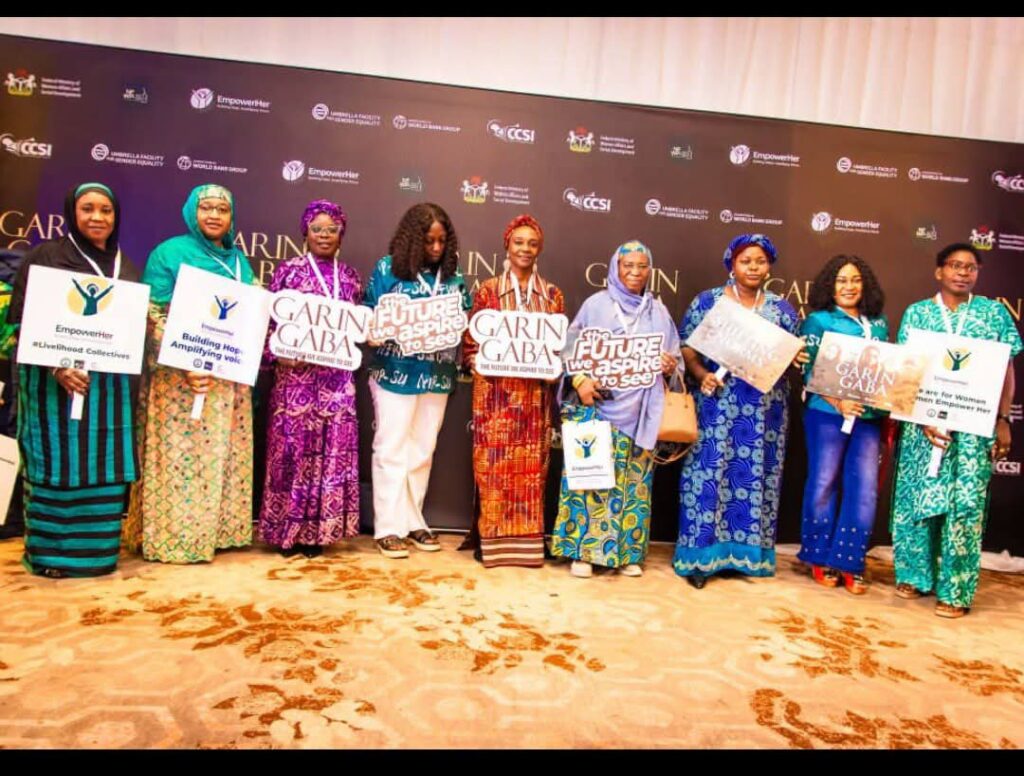
The conference reaffirmed the need for collective action, sustained community engagement and effective SBCC strategies to transform harmful social norms, promote gender equality and advance women’s empowerment and development.