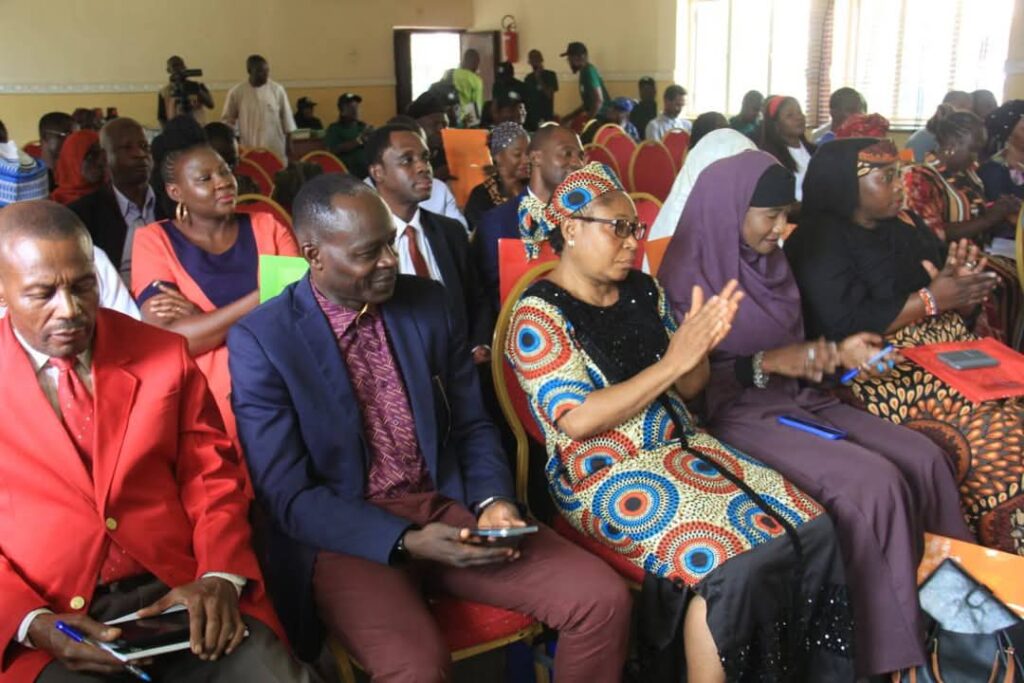


The Plateau State Gender and Equal Opportunities Commission (PLASGEOC) has trained religious counsellors across Plateau State on mediation, counselling, and the prevention and response to gender-based violence (GBV) to strengthen support systems within faith-based institutions.
The one-day capacity-building programme, themed “Strengthening the Capacity of Religious Counselors in Mediation and Gender-Based Violence Prevention and Response,” brought together religious counsellors, faith leaders, and key stakeholders to enhance their skills in handling family disputes, counselling, and safeguarding vulnerable persons.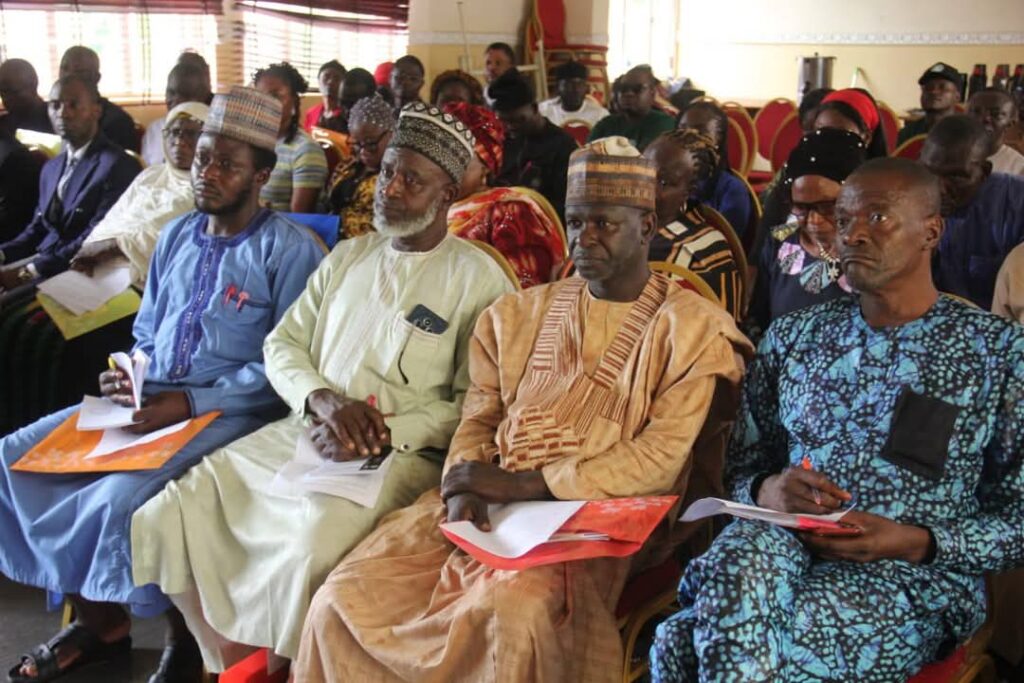
Welcoming participants, Director of Administration, Mrs. Grace Pam Chuwang, urged attendees to embrace the training with an open mind, stressing that continuous learning is essential for those entrusted with counselling responsibilities.
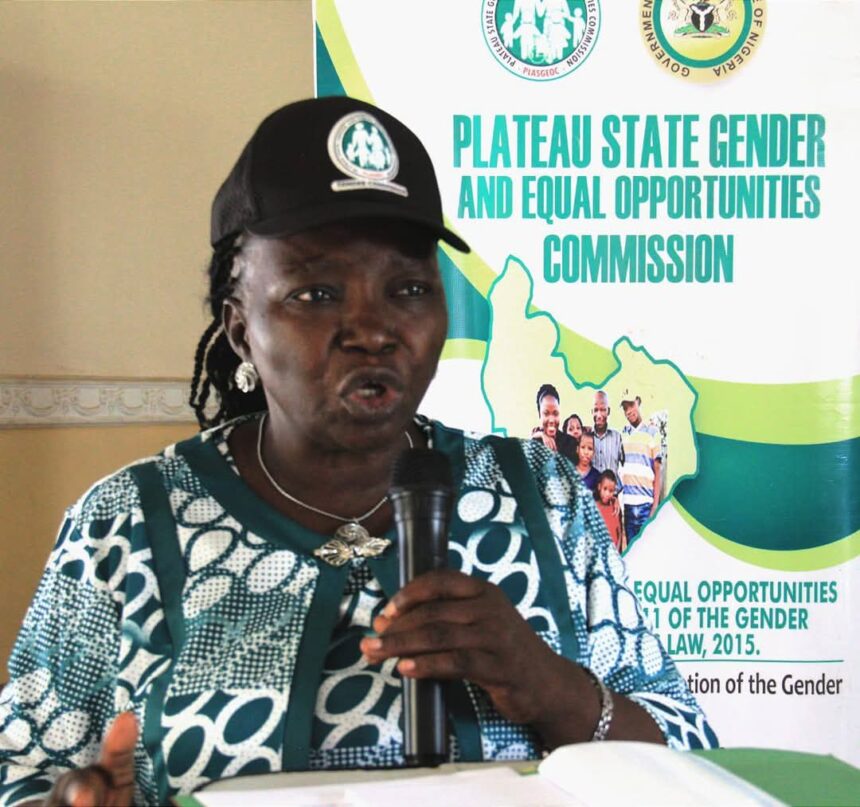
In her keynote address, Barr. Olivia Dazyam, Chairperson of PLASGEOC and Special Adviser to the Governor on Gender Matters, said the initiative recognised the strategic role of religious institutions in resolving family and societal challenges.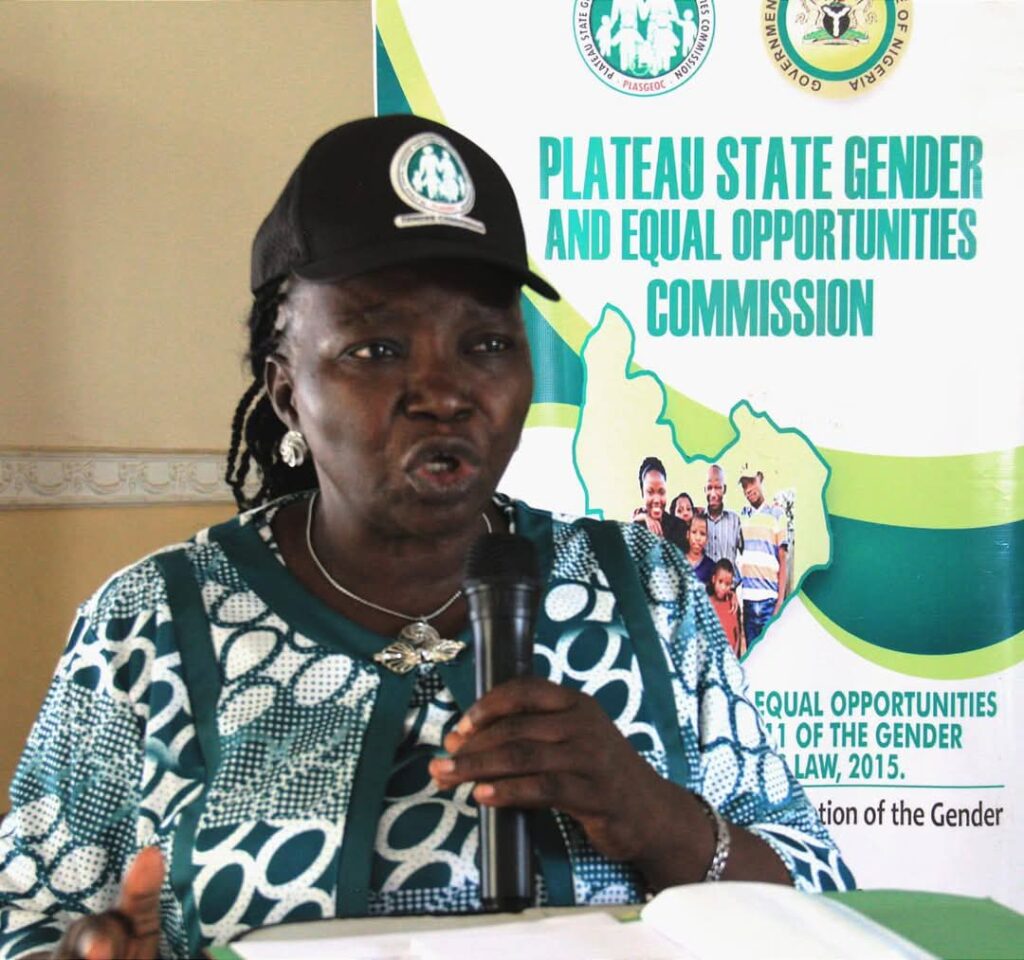
She observed that many people seek help first from their places of worship during crises, making it important for religious organisations to establish functional counselling units managed by trained professionals.
Barr. Dazyam noted that while religious leaders provide spiritual guidance, complex issues involving families, children, and young people often require professional counselling skills. She cited cases ranging from domestic disputes and divorce to parental neglect, prostitution, and other social challenges handled by the Commission.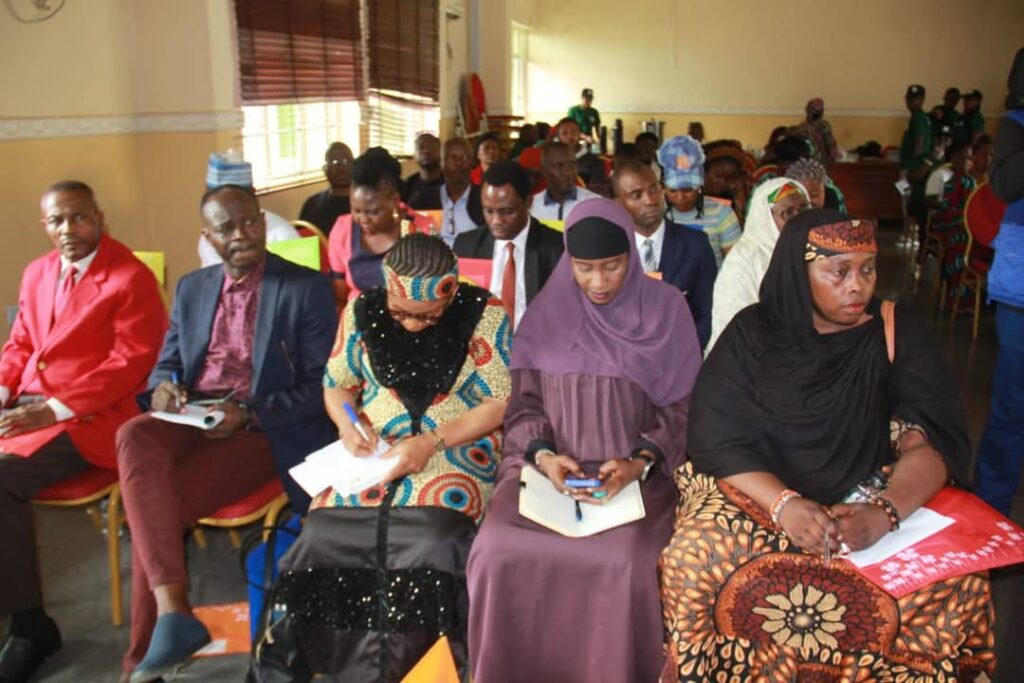
She called on faith-based organisations to strengthen counselling structures, promote compassion and responsibility, and work collectively to address gender-based violence and other social issues.
Resource persons at the training included Dr. Gad Shamaki, who spoke on the basic concepts of gender; Hajiya Lantana Bako, Coordinator of Women Peace and Protection Initiative (WOPPI), who discussed the implications of sexual and gender-based violence; and Barr. Kiyenpiya Mafuyei, who delivered a session on the role of counsellors in mediation.
The facilitators highlighted issues such as gender stereotypes, discrimination, harmful traditional practices, mediation principles, emotional intelligence, confidentiality, and the need to protect survivors while promoting justice and accountability.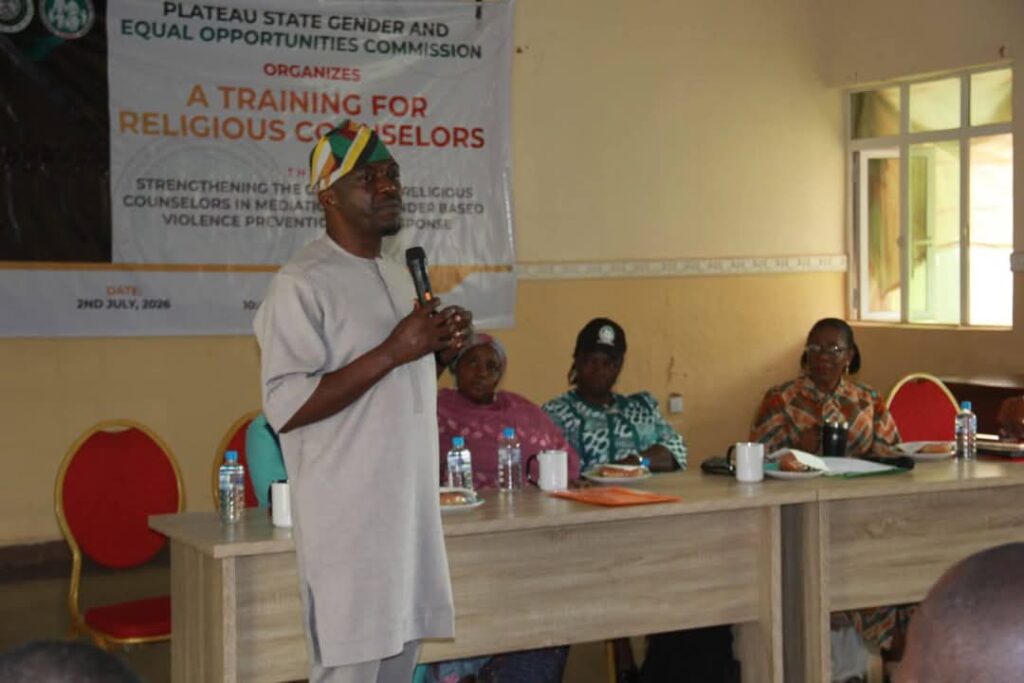
The training concluded with interactive discussions and question-and-answer sessions, allowing participants to exchange experiences and explore practical approaches to counselling and mediation within their religious communities.