

Rotmwa Paulina Kassam
The Plateau State Government has intensified enforcement of sanitation regulations in Langtang North Local Government Area, arresting residents who failed to comply with directives to provide household toilet facilities despite receiving government support.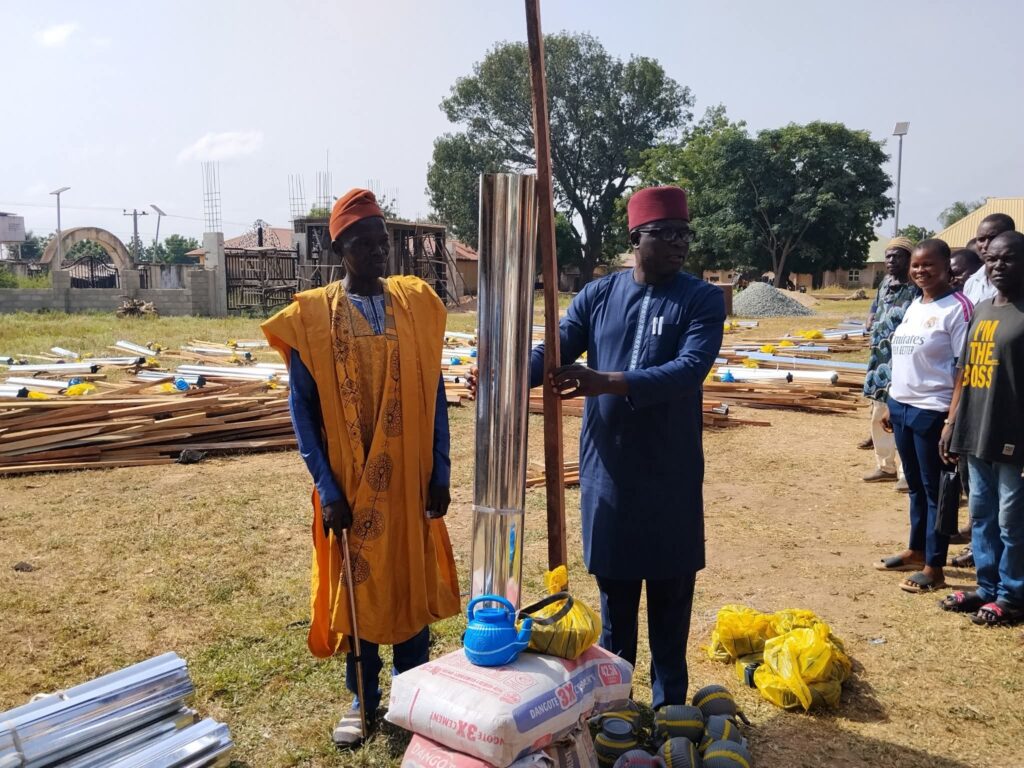
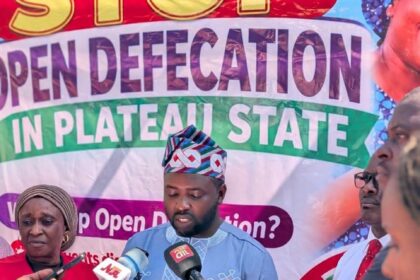
The enforcement drive, being implemented through the Plateau Rural Water Supply and Sanitation Agency (PRUWASSA), forms part of efforts to eliminate open defecation and improve public health standards across the state.
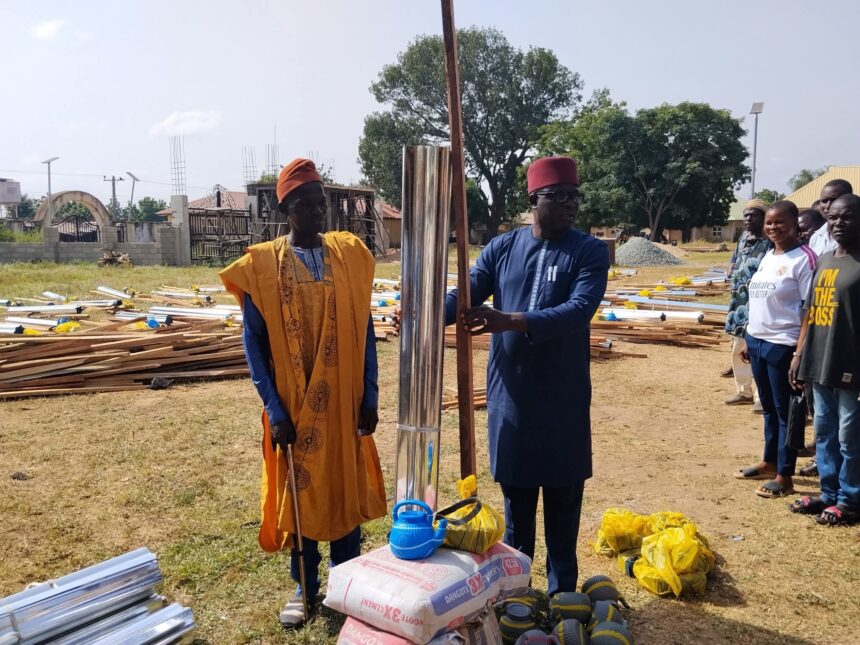
Supported by the World Bank under the Sustainable Urban and Rural Water Supply, Sanitation and Hygiene (SURWASH) Programme, the initiative has entered its seventh phase, with the distribution of subsidised toilet construction materials to households across communities in Langtang North.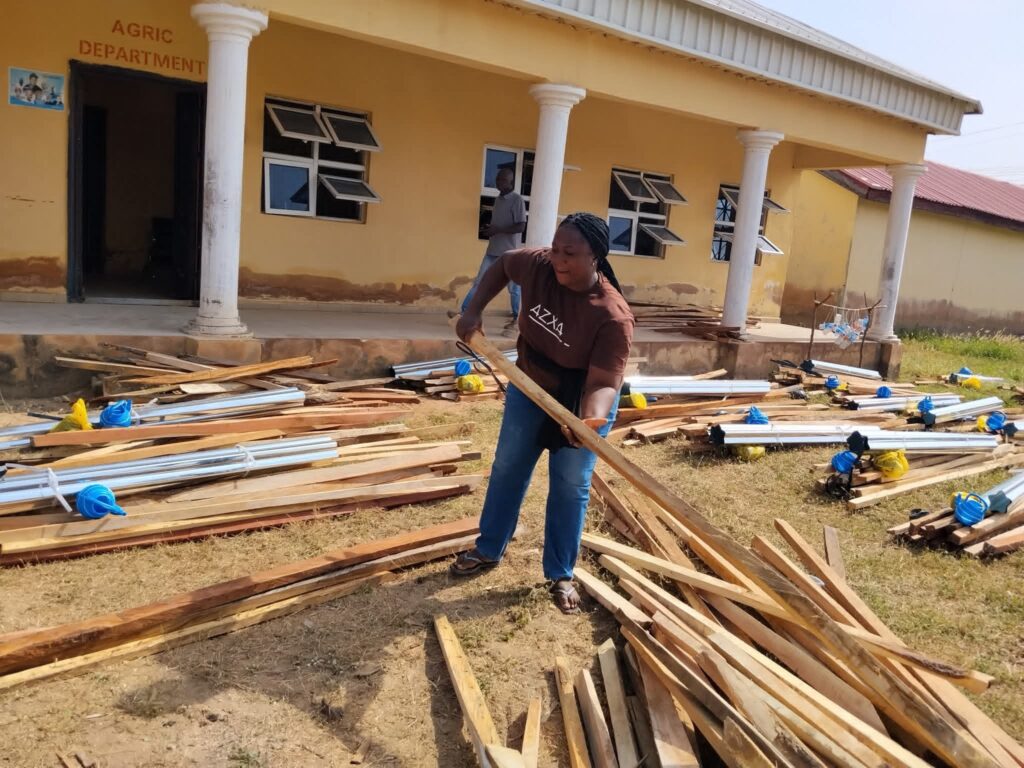
Speaking during the distribution exercise, PRUWASSA General Manager, Engr. Godfrey Nuhu Dashuhar, explained that the intervention provides two categories of support to beneficiaries.
He said the agency undertakes the complete construction of toilet facilities, from foundation to completion, for poor and vulnerable households, while other households that have commenced construction but lack essential components such as doors and roofing receive subsidised materials to complete their facilities.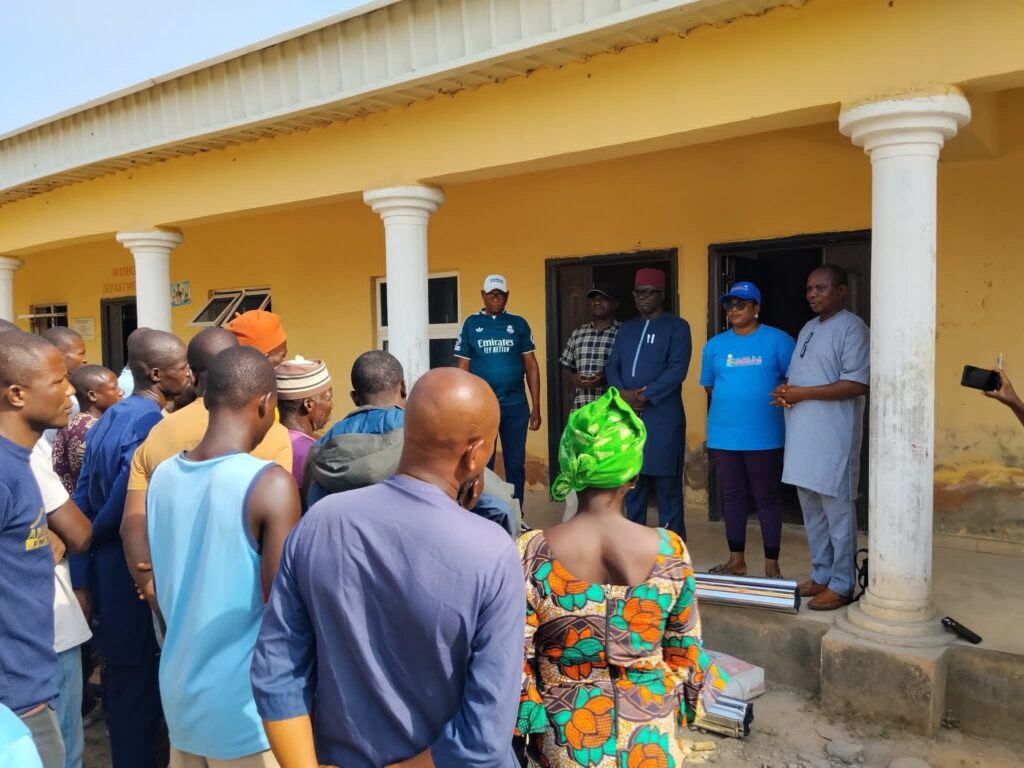
Dashuhar reaffirmed the state government’s commitment to ensuring access to a clean and safe environment for all residents, urging beneficiaries to use the materials strictly for their intended purpose.
Providing details of the enforcement measures, the Director of Sanitation and Hygiene at PRUWASSA, Sanitarian Magdelen Ritmwa Jibrin, disclosed that legal action had been initiated against households that failed to comply with sanitation requirements despite benefiting from government interventions.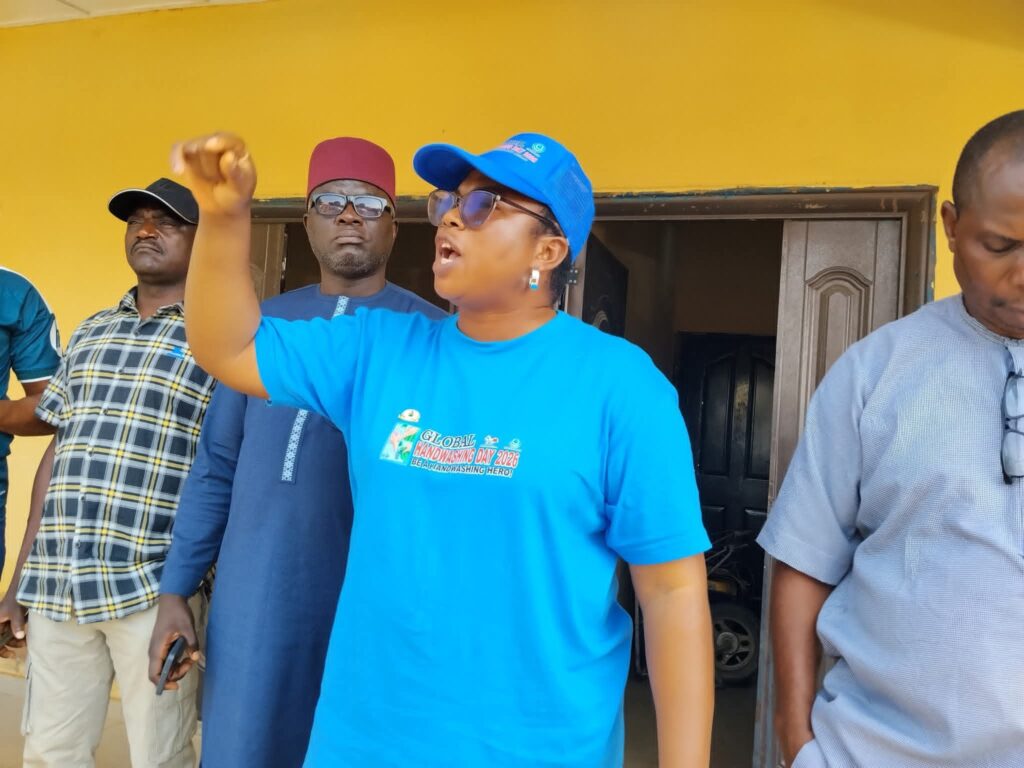
She revealed that several defaulters had been arrested, with some paying fines, while others were undergoing prosecution in court for failing to provide the required sanitary facilities.
Jibrin explained that monitoring teams covering approximately 300 communities had identified several incomplete toilet structures without doors or roofs, stressing that such facilities do not meet sanitation standards and could expose users to health risks.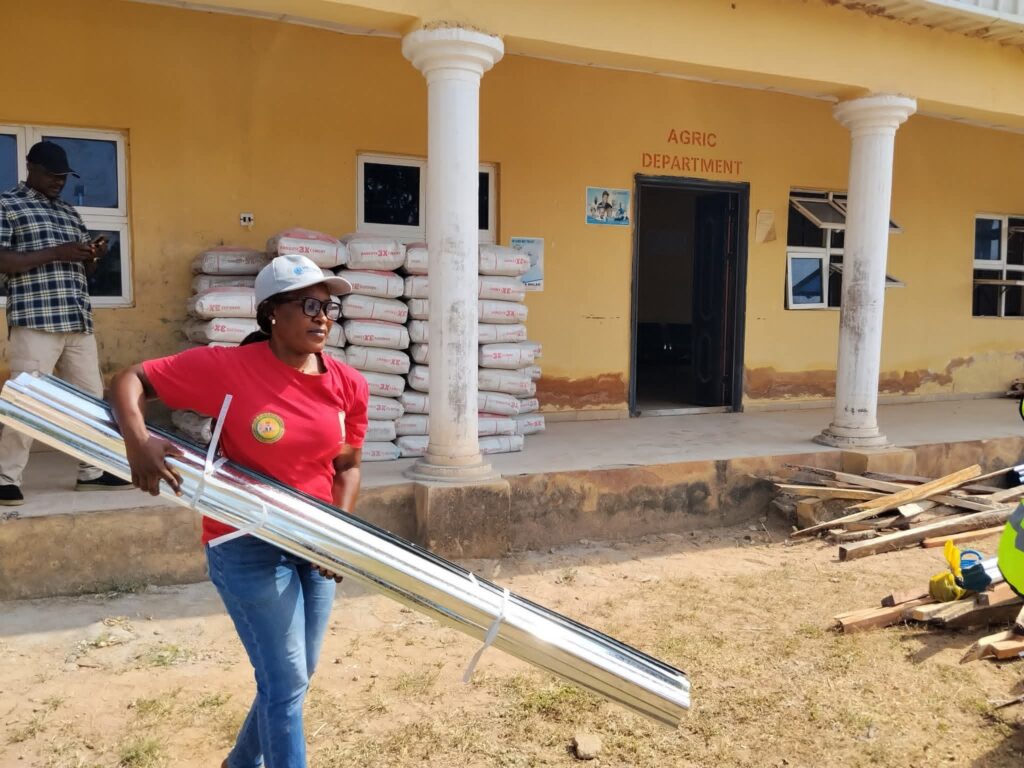
She further warned that open defecation remains a collective public health threat, noting that the efforts of households with completed toilet facilities could be undermined if other members of the same community continued the practice.
Also speaking, the WASH Director in Langtang North, Mr. Julius Rabo, urged beneficiaries to utilise the distributed materials promptly and ensure the completion of their toilet facilities.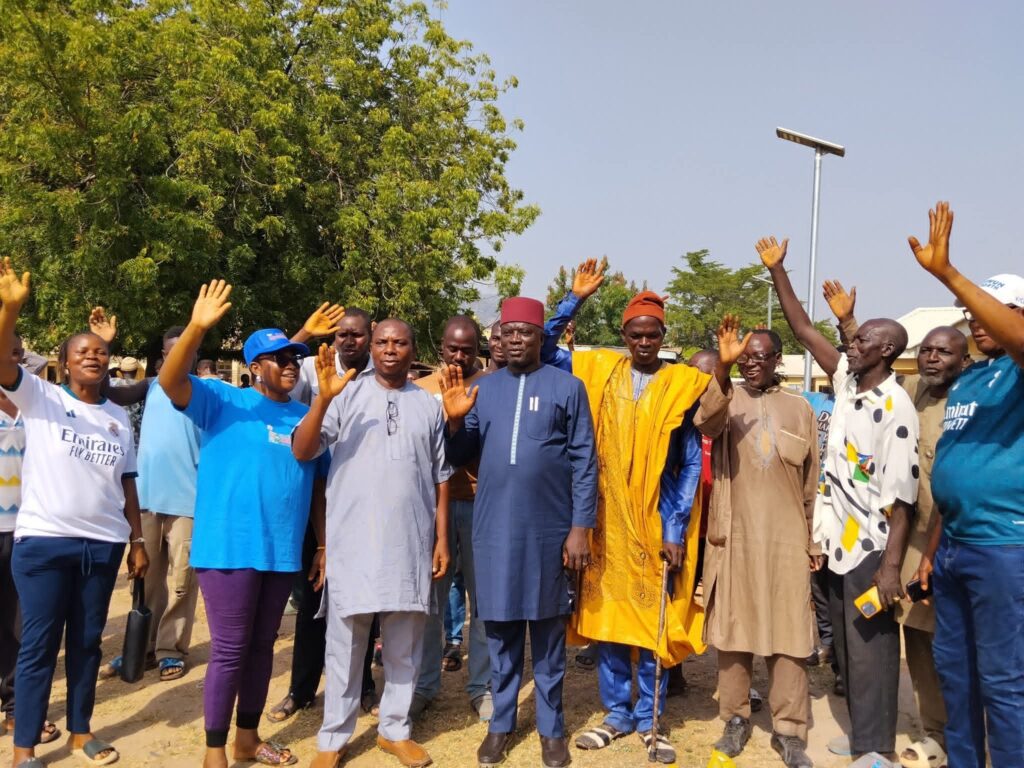
He noted that proper sanitation practices protect families against preventable diseases, reduce healthcare expenses and minimise hospital visits associated with poor hygiene and unsafe disposal of human waste.
Speaking on behalf of the beneficiaries, Ndam Timfa of Turaki Gombali community expressed appreciation to the Plateau State Government and its development partners for the intervention.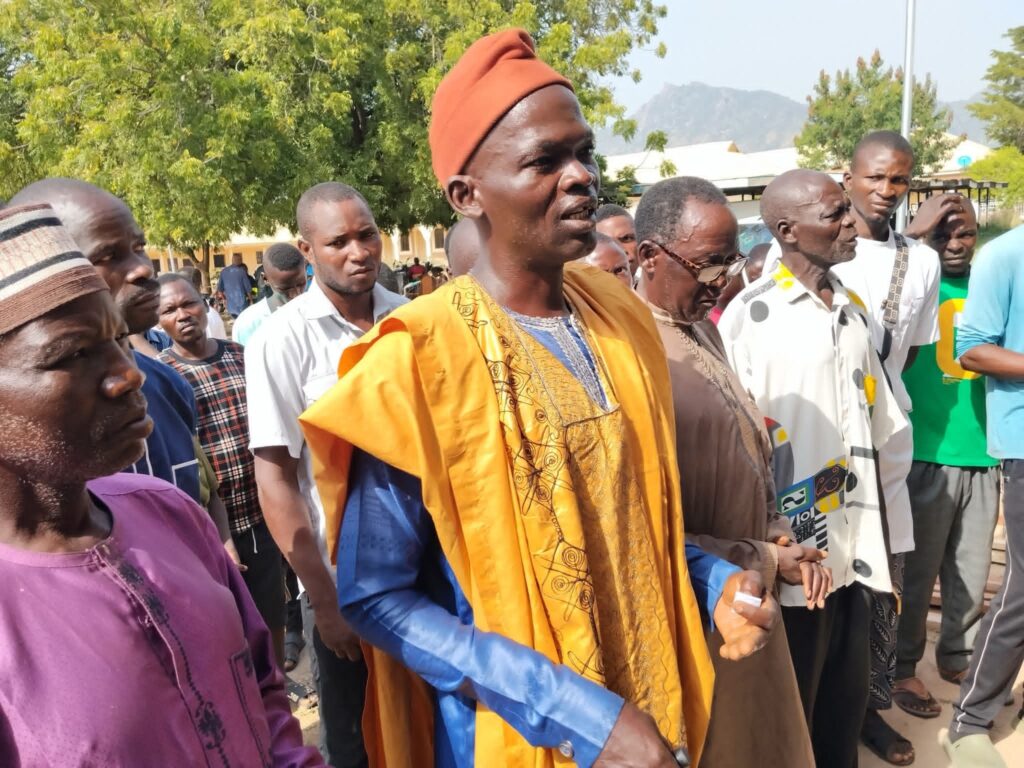
He assured the authorities that community leaders would monitor beneficiaries to ensure that the materials were properly utilised and all household toilet projects completed across the local government area.
The intervention forms part of broader efforts to achieve an open-defecation-free environment in Plateau State through a combination of infrastructure support, community mobilisation, behavioural change and enforcement of sanitation regulations.