

KANO — Leprosy and Tuberculosis Relief (LTR) Nigeria has called for greater investment in the reintegration of persons affected by leprosy, stressing that treatment and cure must be followed by access to livelihoods, education, housing and social inclusion.
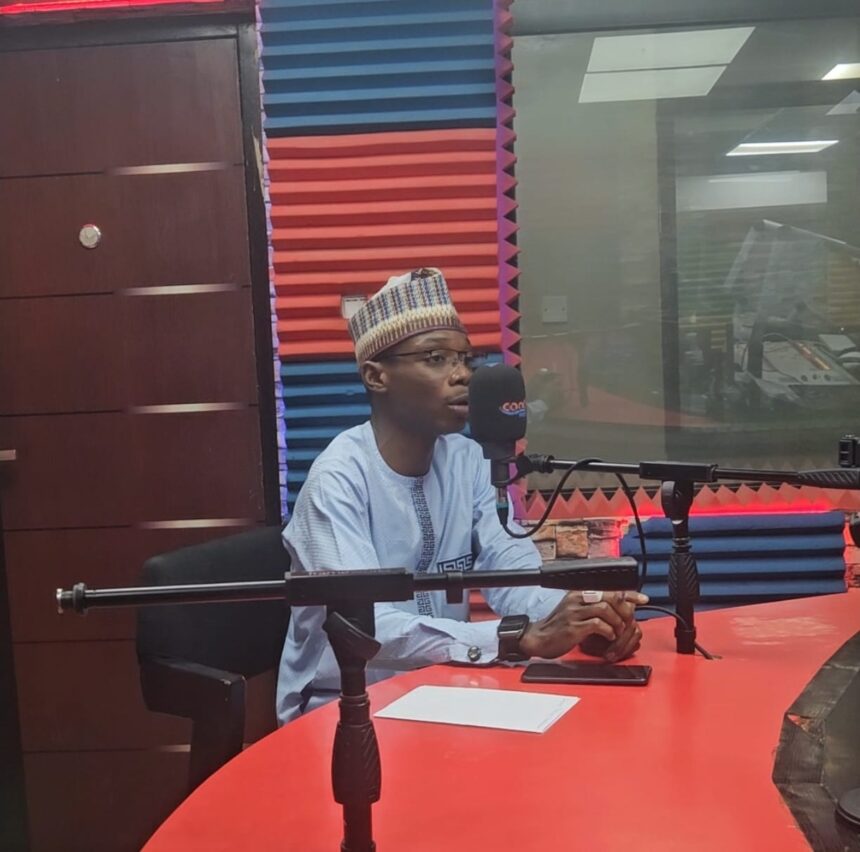
Media and Communication Officer of LTR Nigeria, Saleh Farouq Gagarawa, made the call during an interview on Cool FM 96.9 Kano’s Midday Oasis, where he highlighted the challenges of stigma, disability and economic exclusion.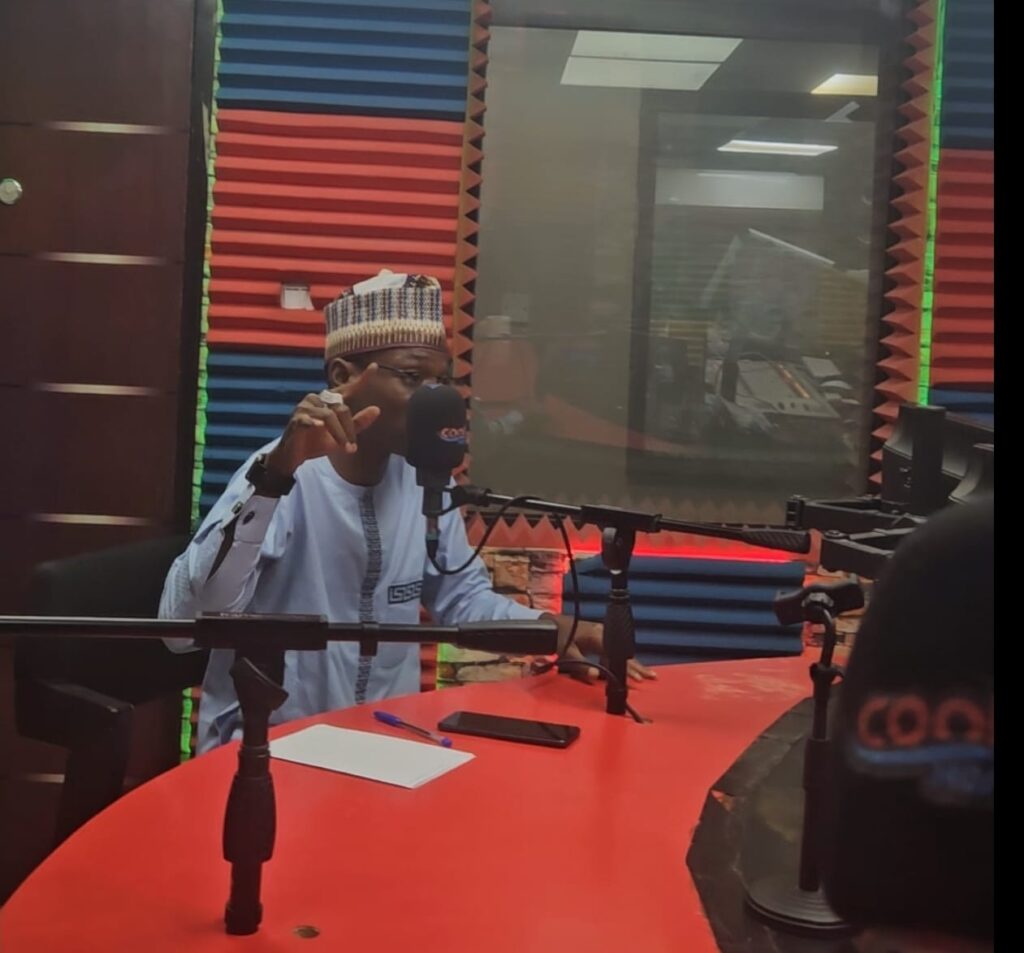
Gagarawa stressed that leprosy is curable and that people who have completed treatment should not be discriminated against because of disabilities associated with delayed diagnosis or treatment.
He said persons affected by leprosy should be deliberately included in government empowerment, skills acquisition, employment, education and entrepreneurship programmes.
Gagarawa also introduced LTR’s proposed National Leprosy Vulnerability Intelligence and Inclusion System (NLVIIS), designed to provide better information on the living conditions, skills, employment, housing and other vulnerabilities of persons affected by leprosy after treatment.
According to him, such data would help stakeholders identify those requiring further support and ensure that reintegration begins before individuals leave treatment.
He also called for sustained public education to dispel misconceptions about leprosy transmission and inheritance, noting that stigma can affect both survivors and their families.
Gagarawa further highlighted the SkincAir project, a digital initiative aimed at supporting healthcare workers in identifying skin conditions, particularly in areas with limited access to dermatologists.
He urged Nigerians to become advocates for persons affected by leprosy, stressing that the fight against leprosy should not end with treatment but continue until affected persons can live, work and participate fully in society without discrimination.