

By Media for Social Change and Development (MSCD)
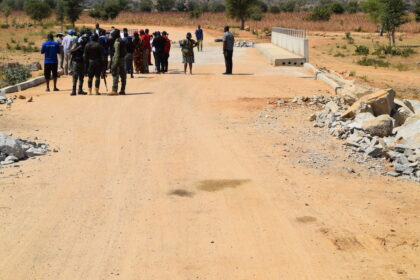
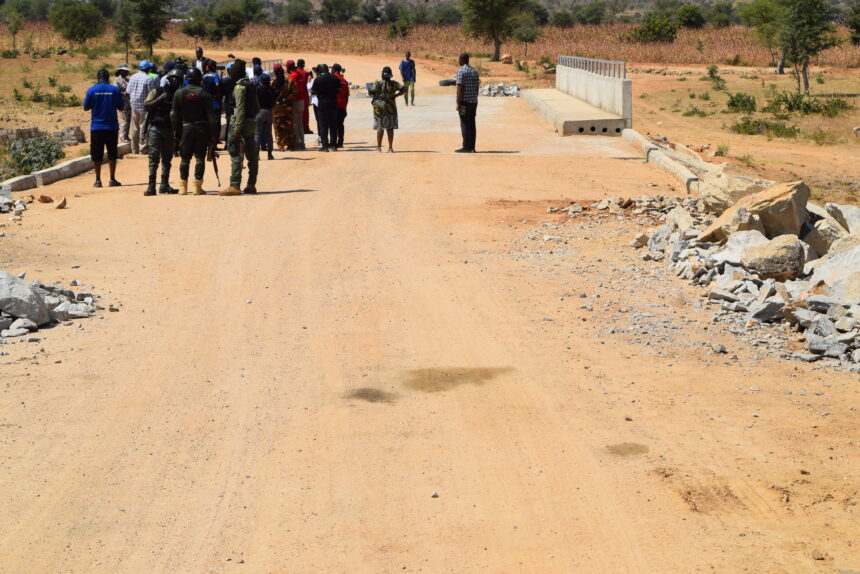
A total of 122 government projects have been verified across 12 Local Government Areas of Plateau State under the Go See Plateau Initiative, providing an opportunity for Civil Society Organisations (CSOs), academia, labour unions, media practitioners and other critical stakeholders to independently assess ongoing development interventions under the administration of Governor Caleb Mutfwang.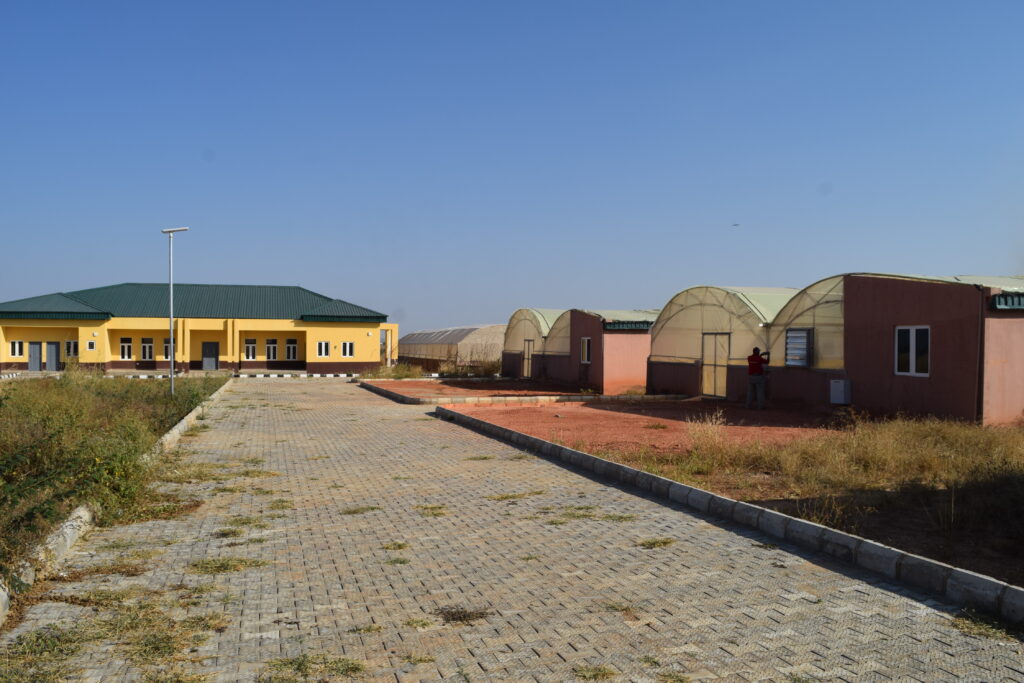
The milestone emerged as delegates concluded the verification tour of the Central Zone, covering Mangu, Pankshin, Kanke and Kanam Local Government Areas, completing the initiative’s engagements across the Northern, Southern and Central Zones of the state.
Coordinated by the Special Adviser to the Governor and Coordinator of NGOs, Plateau State, Helen Philemon Haggai, in collaboration with the Ministry of Information and Communication, the initiative is designed to take stakeholders beyond official reports and presentations by providing firsthand exposure to government projects and their impact on communities.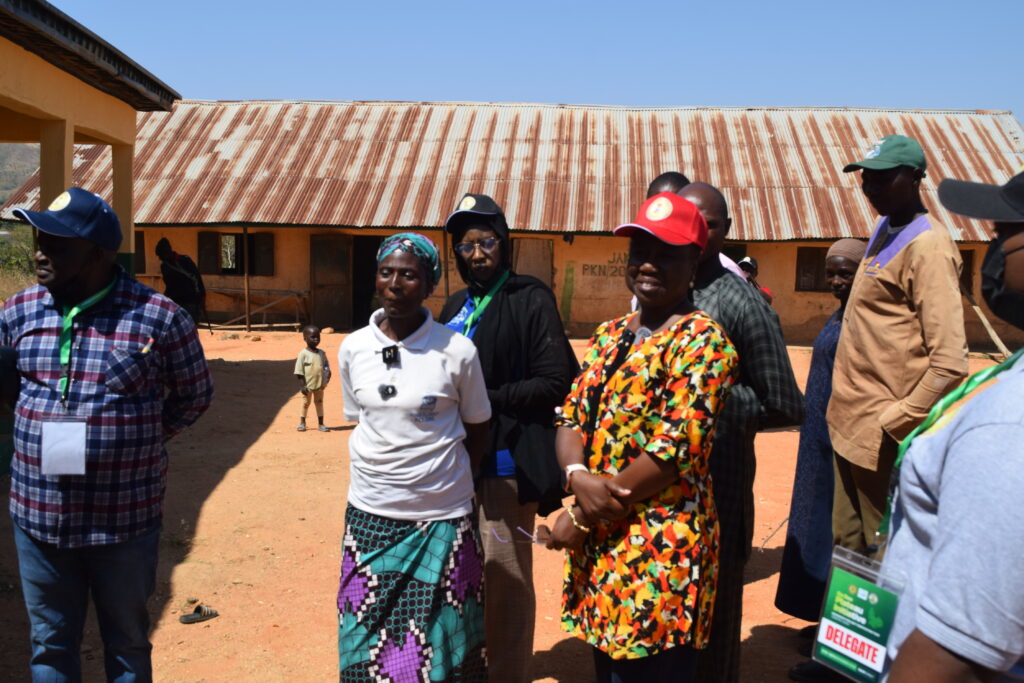
Across the communities visited, the projects reflected interventions in critical sectors, including healthcare, road infrastructure, water supply, market development and other socio-economic areas.
In the health sector, facilities undergoing rehabilitation and upgrading are being equipped to improve service delivery and bring quality healthcare closer to rural populations. In infrastructure, road construction and rehabilitation are expected to ease transportation, improve connectivity and stimulate economic activities, particularly for farming and trading communities.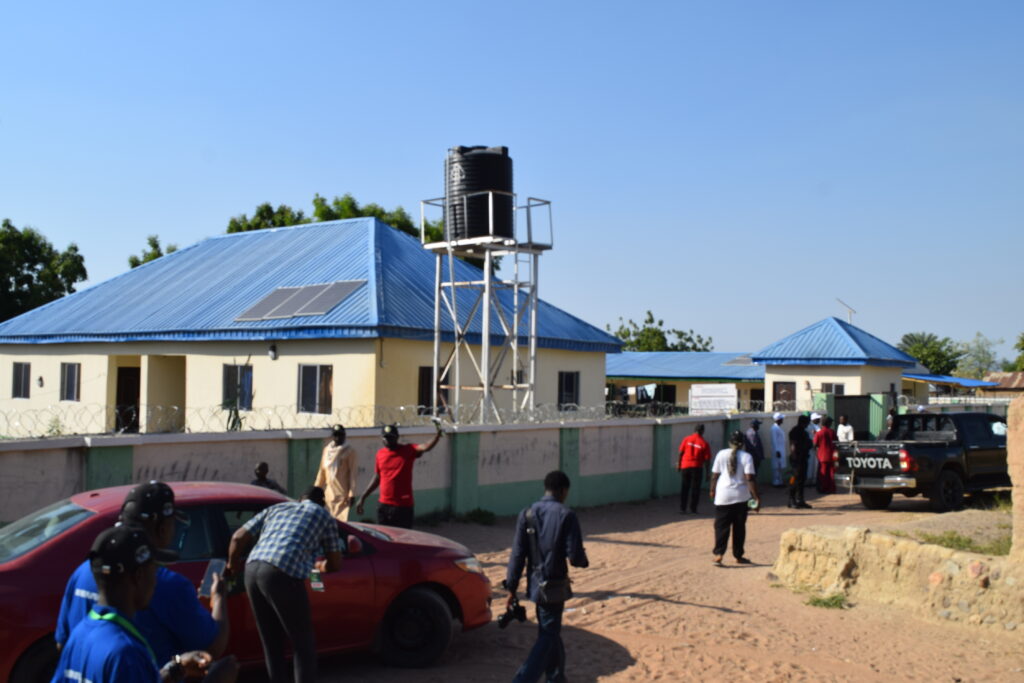
The construction of modern markets and interventions in water supply also featured prominently, highlighting efforts to address basic community needs, strengthen local commerce and improve living conditions.
Beyond physical infrastructure, one of the defining features of the Go See Plateau Initiative is its emphasis on transparency, citizen participation and independent assessment of public expenditure and development outcomes.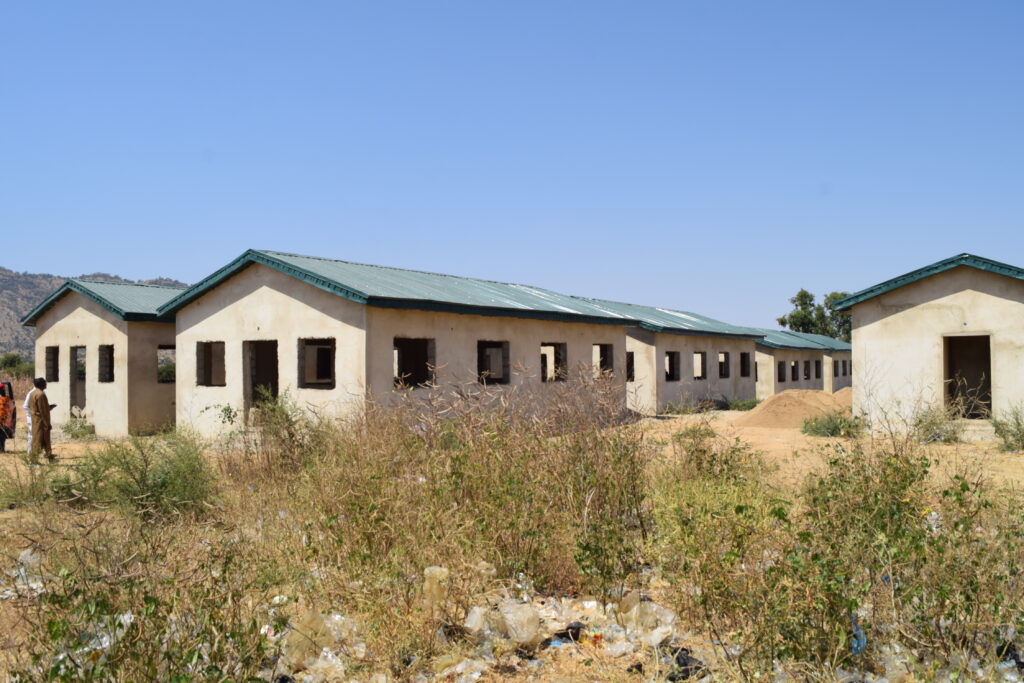
By bringing together CSOs, academics, union leaders, development actors and media practitioners, the initiative has created a platform for constructive engagement between government and citizens, allowing stakeholders to examine projects, interact with beneficiaries and assess the extent to which public interventions respond to the actual needs of communities.
Local Government officials who accompanied the delegation during the verification exercises also commended the state government’s interventions through its Ministries, Departments and Agencies (MDAs), describing the projects as significant relief to communities and local authorities grappling with development challenges.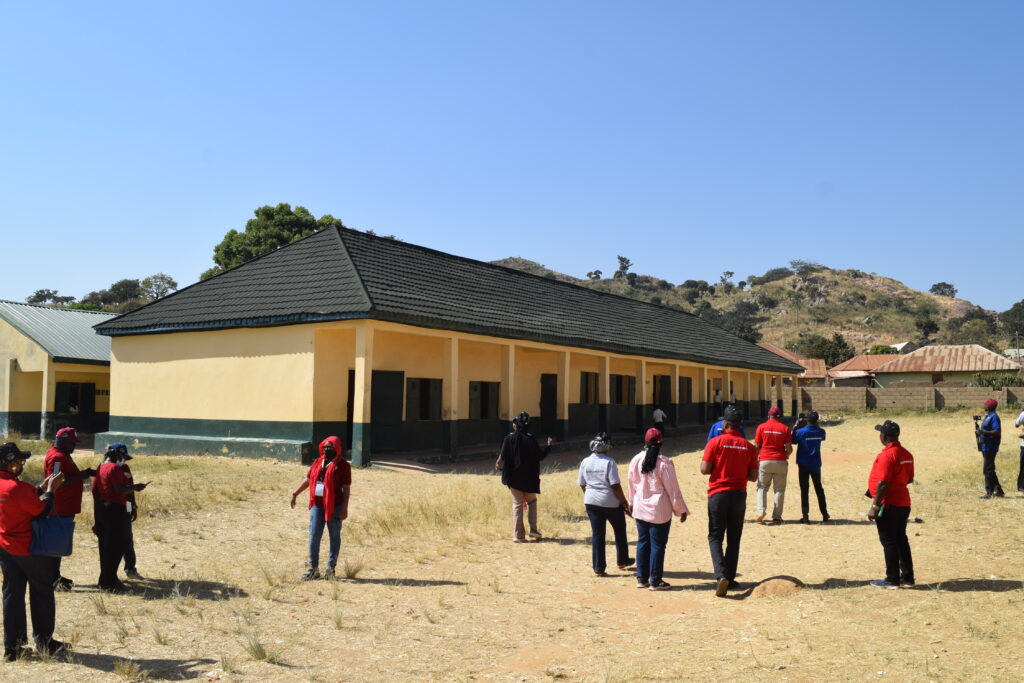
For Media for Social Change and Development (MSCD), an organisation that participated in the verification exercise across the three senatorial zones, the initiative represents an important opportunity to deepen public understanding of governance, promote accountability and sustain conversations around development delivery in Plateau State.
As the verification tour draws to a close, the focus now shifts to sustained public engagement, documentation and conversations around the projects, their impact and the expectations of benefiting communities.
For MSCD, the conversation on the Go See Plateau Initiative will continue in the coming days and weeks, as it seeks to amplify community perspectives, highlight development outcomes and encourage continuous dialogue between government and citizens.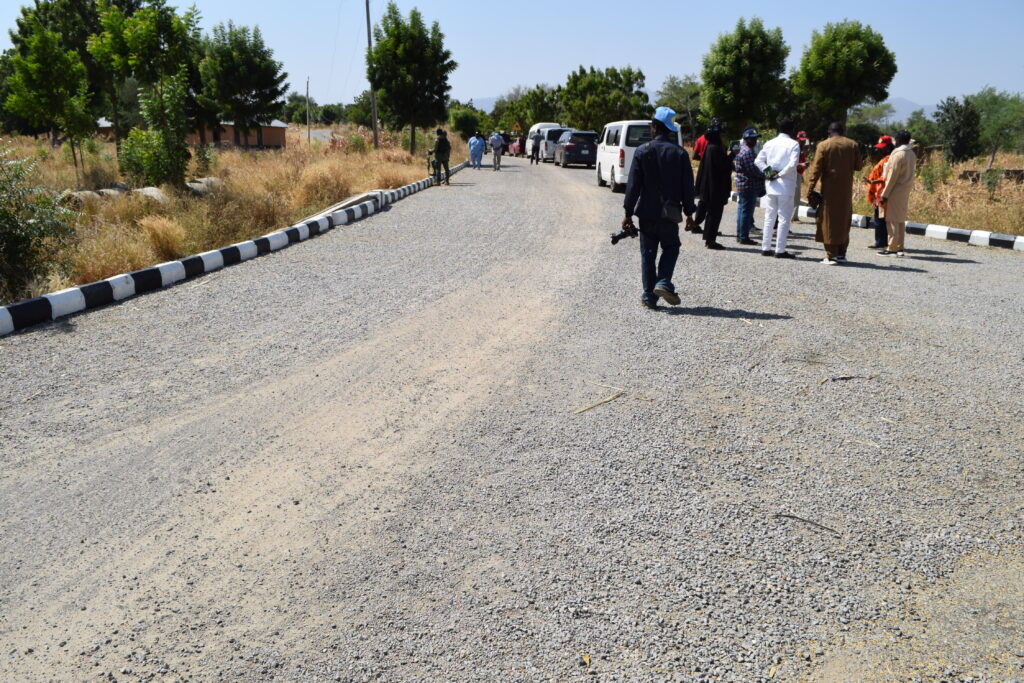
Ultimately, the significance of Go See Plateau goes beyond the number of projects verified. It lies in creating an informed citizenry, strengthening public trust and ensuring that government interventions are not only seen but assessed against the real needs and aspirations of the people.