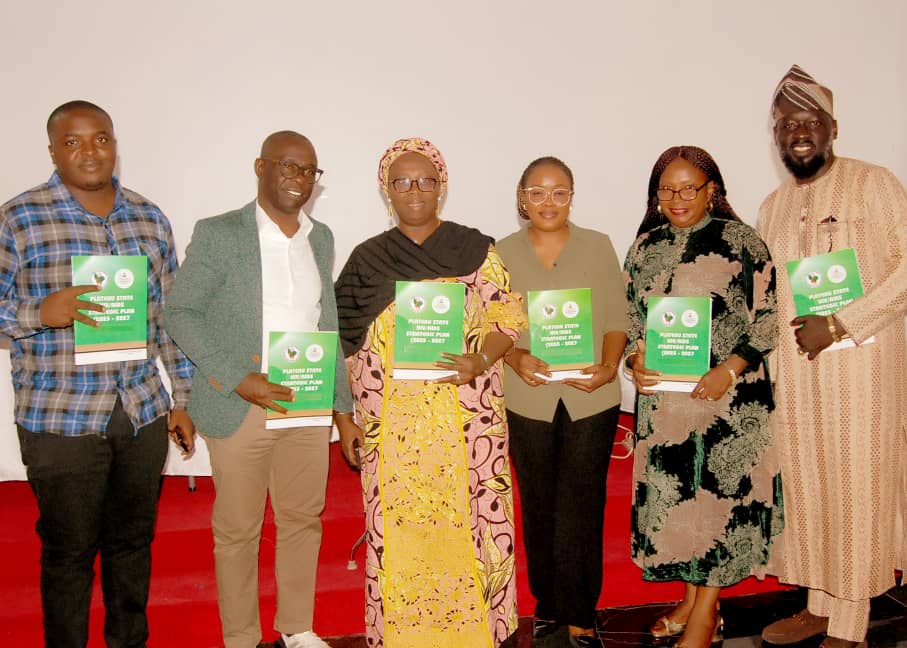


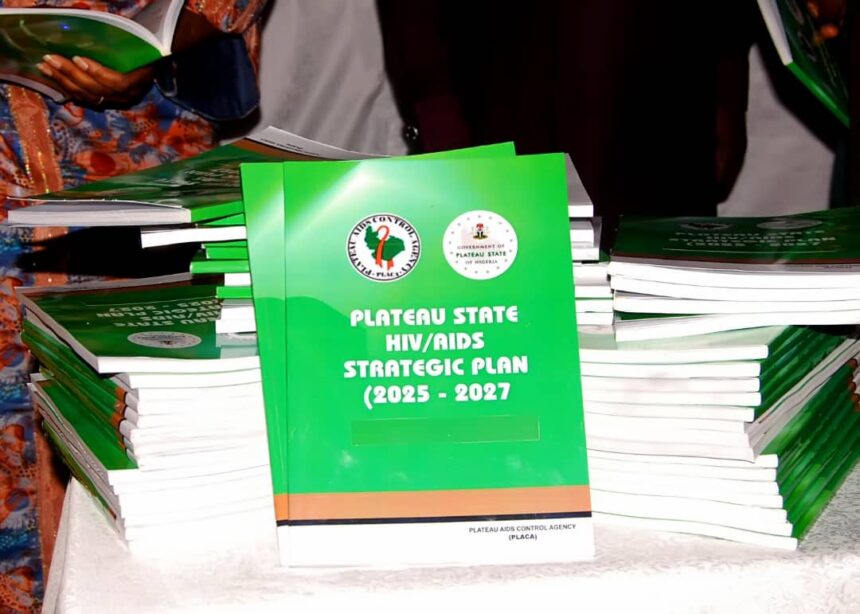
The unveiling of the Plateau State HIV/AIDS Strategic Plan (2025–2027) marks a significant step in the state’s determination to strengthen its HIV response and contribute meaningfully to Nigeria’s goal of ending AIDS as a public health threat by 2030.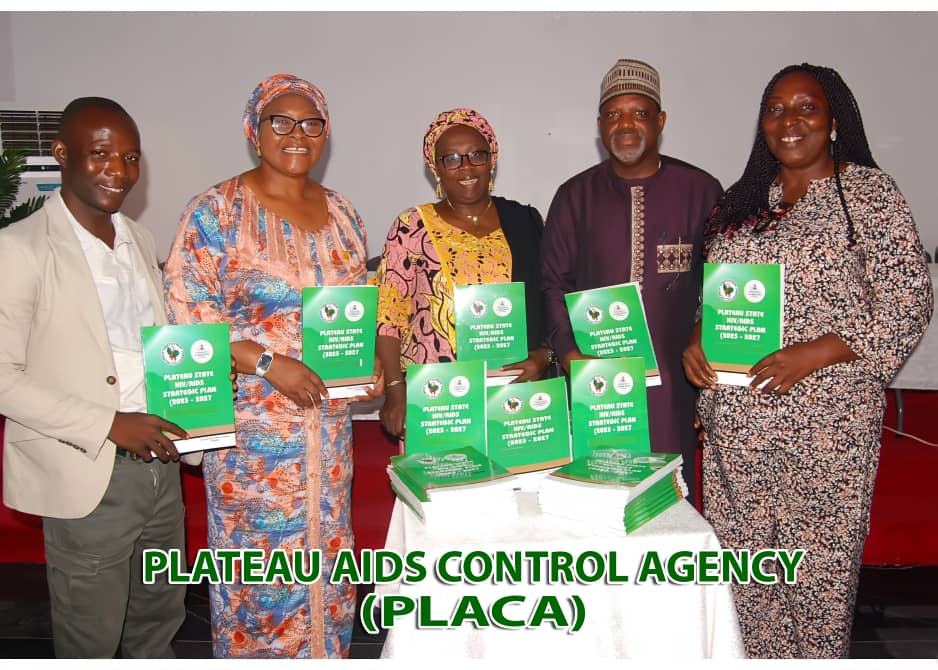
The event brought together government officials, development partners, implementing organisations, civil society groups, the media and other stakeholders, underscoring the collective commitment required to tackle HIV/AIDS effectively.
Representing the Director-General of the National Agency for the Control of AIDS (NACA), Dr. Temitope Ilori, the Deputy Director of Stakeholders Engagement, Esther Ikomi, described the dissemination of the Strategic Plan as another important milestone in Nigeria’s efforts to institutionalise evidence-based programming, strengthen sub-national leadership and sustain the country’s HIV response.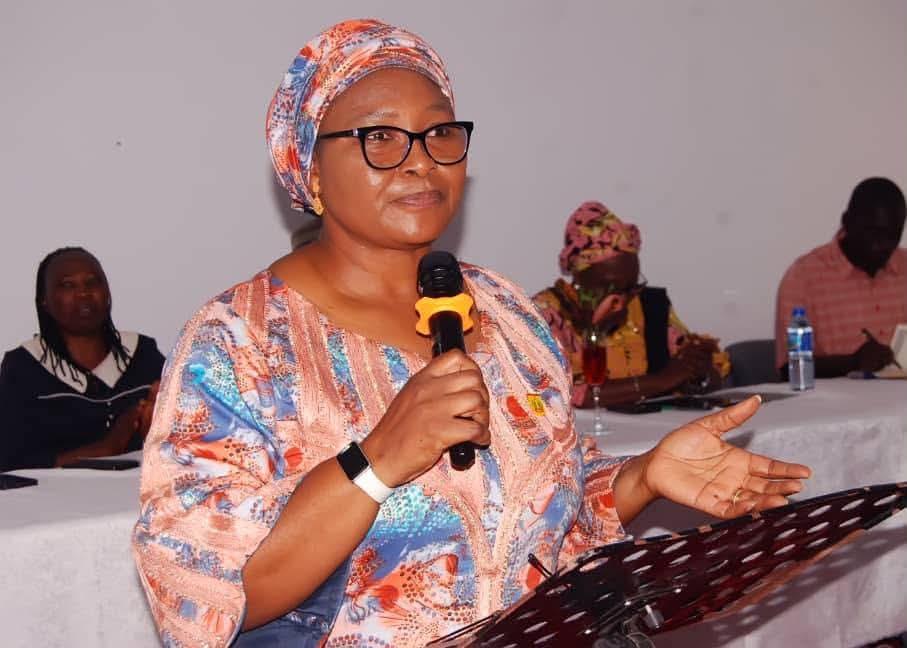
She commended Plateau State Governor, Barr. Caleb Manasseh Mutfwang, for demonstrating strong political leadership in improving health outcomes and advancing the state’s HIV response. According to NACA, political commitment remains critical to sustaining the gains already achieved and reaching the global target of ending AIDS as a public health threat by 2030.
The Agency also applauded the leadership of the Honourable Commissioner for Health, Dr. Nicholas Ba’amlong, and the Executive Director of the Plateau State Agency for the Control of AIDS (PLACA), Esther Turaki, for coordinating the broad, inclusive and evidence-driven process that produced the Strategic Plan.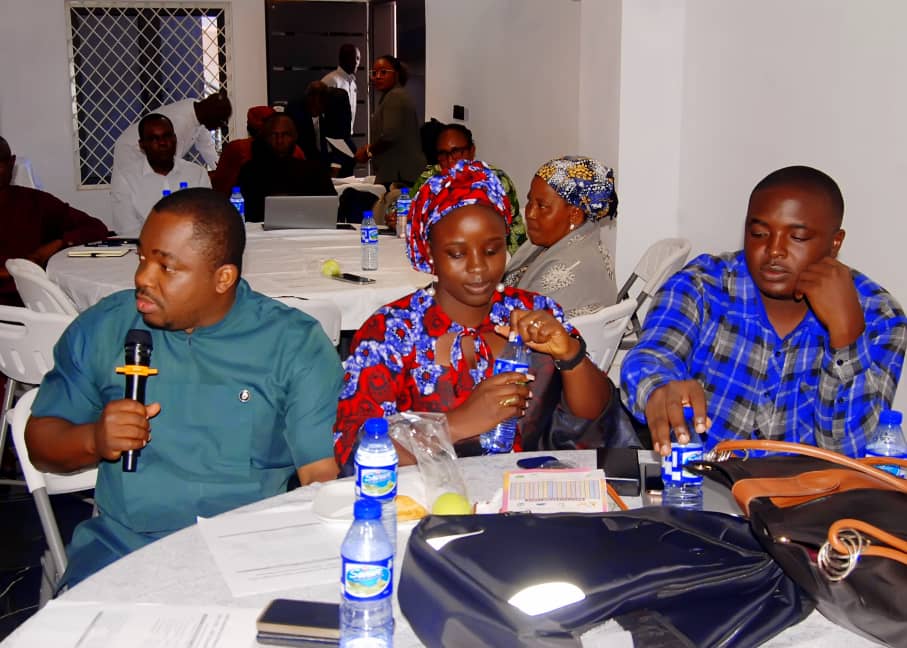
NACA equally recognised the contributions of APIN Public Health Initiatives, the Network of People Living with HIV/AIDS in Nigeria (NEPWHAN), development partners, civil society organisations, faith-based organisations, academia, the media and members of the HIV/AIDS Technical Working Groups, whose collaboration made the document possible.
Importantly, the Plateau State HIV/AIDS Strategic Plan aligns with the National HIV Strategic Plan (2023–2027), the National Strategic Health Development Plan, the Health Sector Renewal Investment Initiative and Nigeria’s commitment to achieving the UNAIDS 95-95-95 targets. This alignment provides a strong framework for coordinated implementation, accountability, efficient resource utilisation and measurable results.
Speaking on the changing global health financing landscape, NACA noted that declining external support presents an opportunity for states to strengthen domestic resource mobilisation, deepen partnerships, integrate HIV services into broader healthcare systems and build more resilient institutions capable of sustaining programme gains.
The Agency therefore called on Plateau State and all implementing stakeholders to maintain the momentum by ensuring adequate domestic financing, strengthening governance and accountability, reinforcing strategic information systems, promoting community participation and encouraging greater private sector involvement.
Reaffirming NACA’s commitment, the Agency pledged to continue providing strategic leadership, technical support, policy guidance, advocacy and effective coordination to ensure the successful implementation of the Strategic Plan.
In her remarks, the Executive Director of PLACA, Esther Turaki, described the Strategic Plan as a product of extensive stakeholder consultations, reflecting the collective aspirations and expertise of partners across the HIV response ecosystem.
She explained that the plan is built around three strategic priorities:
– Ensuring equitable access to HIV prevention, treatment and care services for everyone.
– Eliminating barriers that hinder the achievement of positive HIV outcomes.
– Mobilising sustainable resources while integrating HIV interventions into health systems, social protection programmes, humanitarian settings and pandemic preparedness.
According to Turaki, these priorities can only be achieved through stronger partnerships, innovation, effective leadership and shared responsibility.
She urged stakeholders to view the dissemination not merely as the launch of another policy document but as a renewed commitment to action.
“The dissemination is not just the unveiling of a document; it is a call to action for all of us to recommit ourselves to implementing the strategies outlined in the plan. Together, we can accelerate progress towards achieving epidemic control and improving the health and well-being of the people of Plateau State.”
The Plateau State HIV/AIDS Strategic Plan 2025–2027 was officially unveiled by the Permanent Secretary of the Ministry of Health, Hosea Bitrus, who represented the Honourable Commissioner for Health, before an audience of national and state implementing partners, development agencies and key stakeholders.
As Plateau State begins implementing the new Strategic Plan, success will depend not only on government leadership but also on sustained collaboration among communities, healthcare providers, development partners, the private sector and every stakeholder committed to achieving a healthier, HIV-free future for all.