

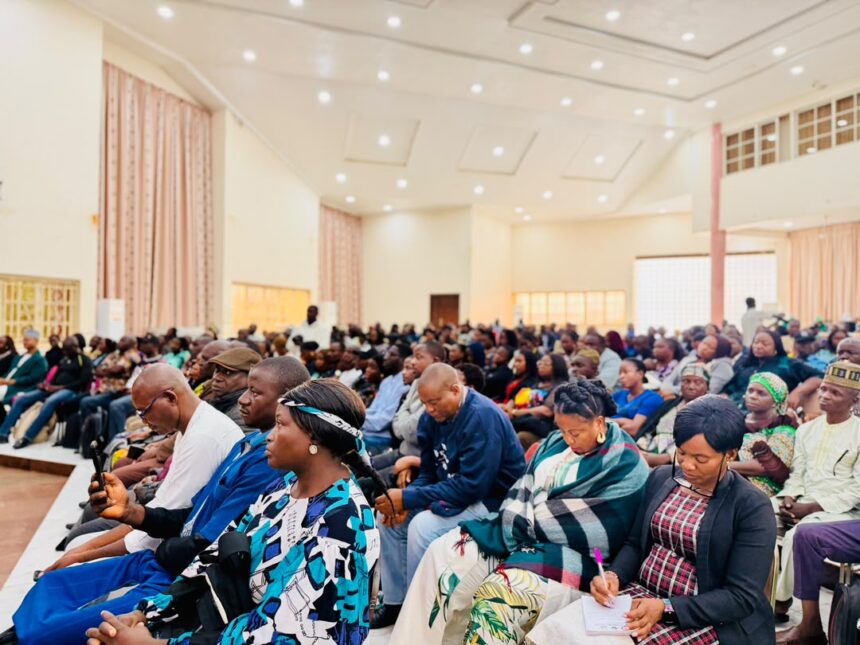
As Plateau State prepares to commence the implementation of the Nigeria Community Action for Resilience and Economic Stimulus (NG-CARES) 2.0 Programme, deliberate efforts are being intensified to strengthen the institutional structures required for effective and sustainable programme delivery across the state.
A major step in this direction is the orientation and induction of personnel who will be responsible for coordinating and implementing activities under the various NG-CARES delivery platforms. To achieve this, the Plateau State Government, through the Plateau State CARES Coordinating Unit (PLSCCU), has organized a two-day Staff Orientation and Induction Programme for newly absorbed NG-CARES personnel into the state civil service.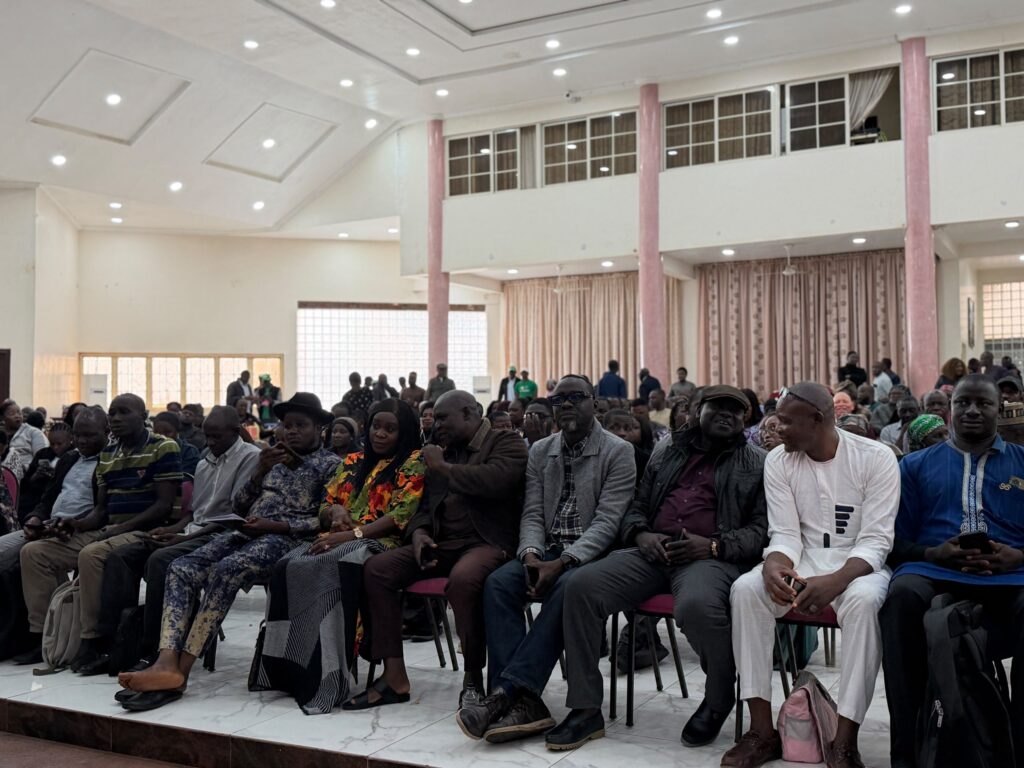
The capacity-building exercise is designed to equip participants with the knowledge, skills, and operational framework required for the successful implementation of NG-CARES 2.0 interventions. Participants are being exposed to the programme’s objectives, implementation guidelines, performance expectations, monitoring mechanisms, accountability procedures, and public service regulations necessary for efficient service delivery and maximum impact.
Speaking during the opening session, the State Coordinator of NG-CARES, Dr. Haggai Gutap, described the absorption of programme staff into the civil service as a strategic policy aimed at preserving institutional knowledge and retaining valuable human capital developed over the years.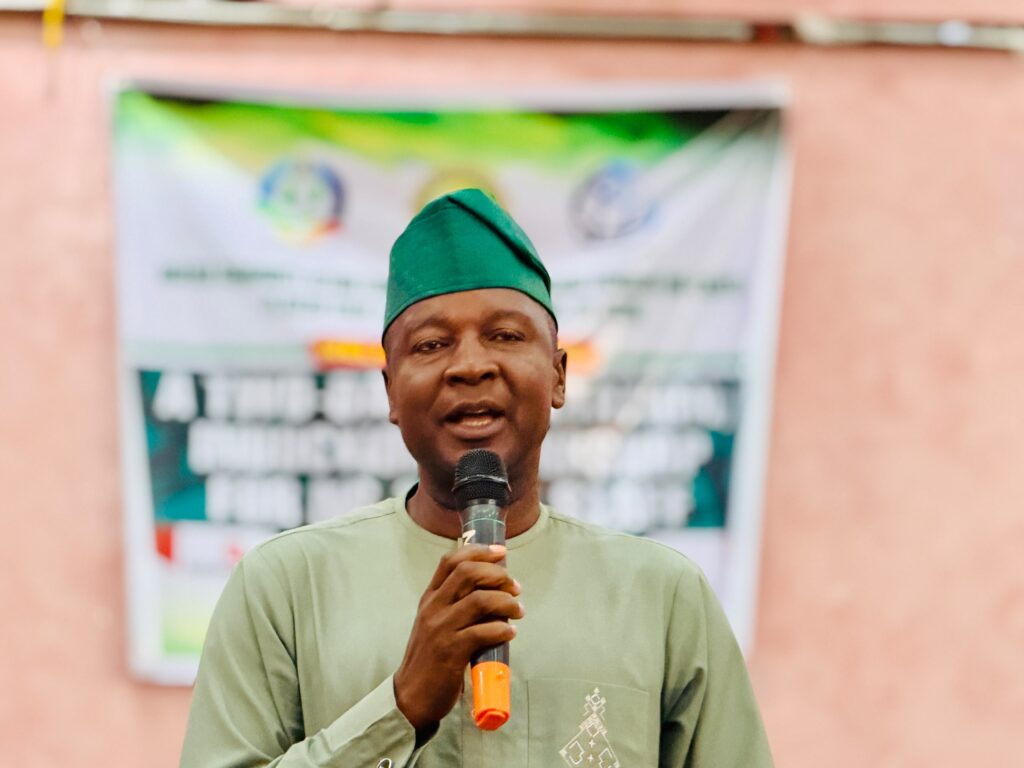
According to him, previous World Bank-supported interventions often relied on contract personnel who were disengaged at the end of project cycles, resulting in the loss of technical expertise and institutional memory.
“This set of people have been trained over the years, and letting them go would mean incurring losses as a state. The Governor believes in human capital development and has approved their absorption to retain their expertise,” Dr. Gutap stated.
He further explained that NG-CARES operates on a results-based financing model, where disbursements from the World Bank are tied directly to measurable performance outcomes. He therefore urged staff to embrace teamwork, professionalism, accountability, and strict adherence to programme guidelines.
Dr. Gutap noted that Plateau State is transitioning into NG-CARES 2.0 with the objective of consolidating previous achievements while sustaining its reputation as one of the leading performing states under the programme nationwide.
Delivering the keynote address, the Chairman of the Plateau State Civil Service Commission, Prof. Paul S. Wai, described the induction workshop as a significant milestone in the professional journey of the newly absorbed officers.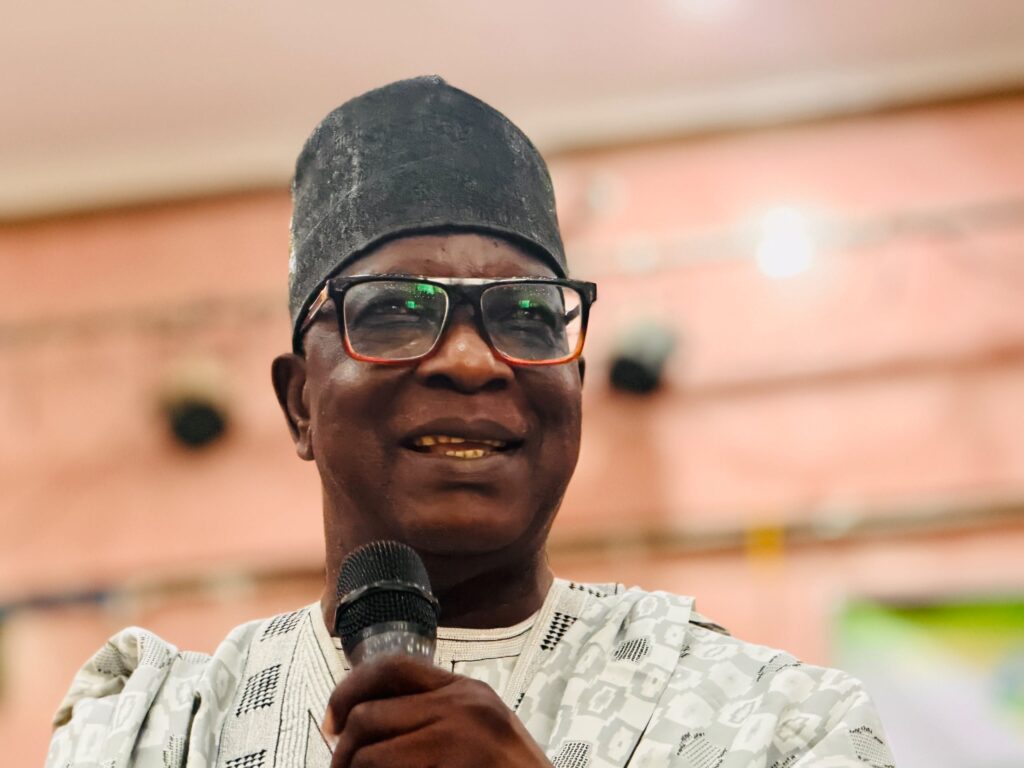
He emphasized that joining the civil service extends beyond securing employment, noting that it involves becoming part of a structured institution guided by established rules, ethics, values, and traditions.
“The Civil Service remains the permanent machinery of government. Your success depends on your competence, dedication, and adherence to established rules and procedures,” Prof. Wai said.
He urged participants to uphold professionalism, integrity, loyalty, accountability, discipline, and continuous learning, stressing that ignorance of public service regulations cannot serve as an excuse for misconduct.
Prof. Wai further commended the administration of Governor Barr. Caleb Manasseh Mutfwang for its commitment to building a professional, technology-driven, and performance-oriented civil service, while also recognizing the decision to absorb qualified NG-CARES personnel into government service.
In a goodwill message, the representative of the Head of Civil Service and Permanent Secretary, Ministry of Women Affairs and Social Development, Mrs. Rebecca Shaseet, described the initiative as timely and essential, noting that the civil service operates within a framework of clearly defined rules and procedures.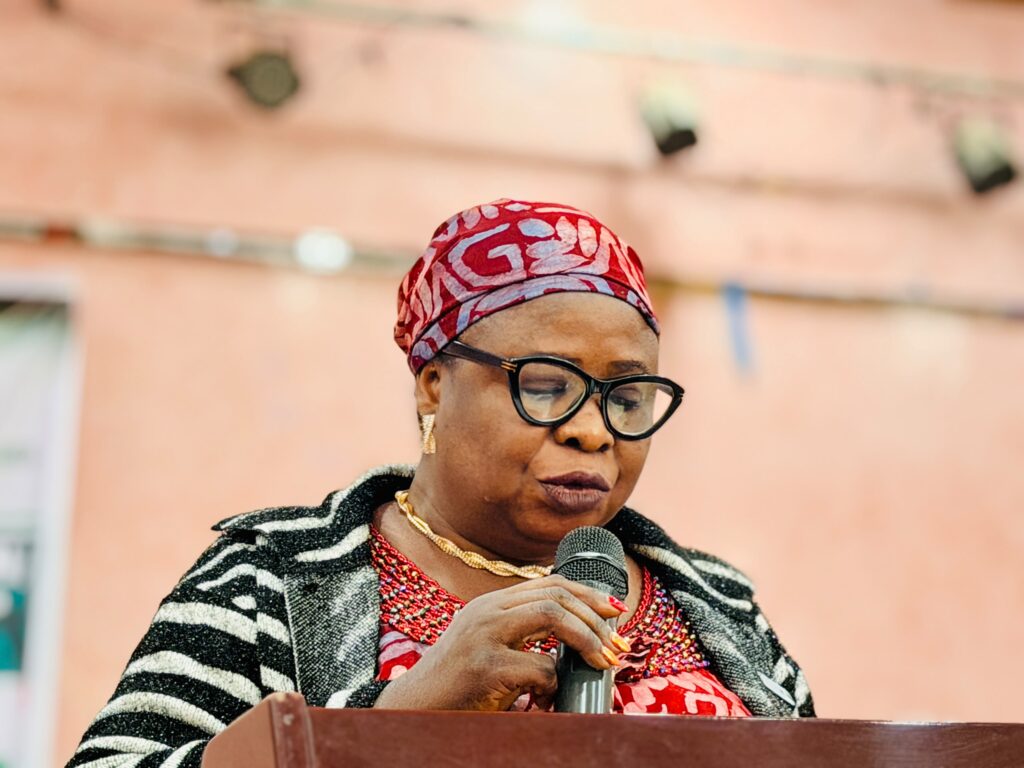
She urged the newly inducted staff to demonstrate competence, accountability, dedication, and commitment to duty in order to strengthen public confidence in government institutions and enhance service delivery.
“As civil servants, you must comply with the rules and show dedication to effectively deliver services to the public,” she advised.
Also speaking, Mrs. Gladys Sodo, Deputy Director (Administration), Plateau State Ministry of Finance, who represented the Commissioner for Finance and Chairperson of the State Steering Committee on NG-CARES, encouraged participants to take full advantage of the training by engaging actively, sharing experiences, and preparing themselves for effective programme implementation.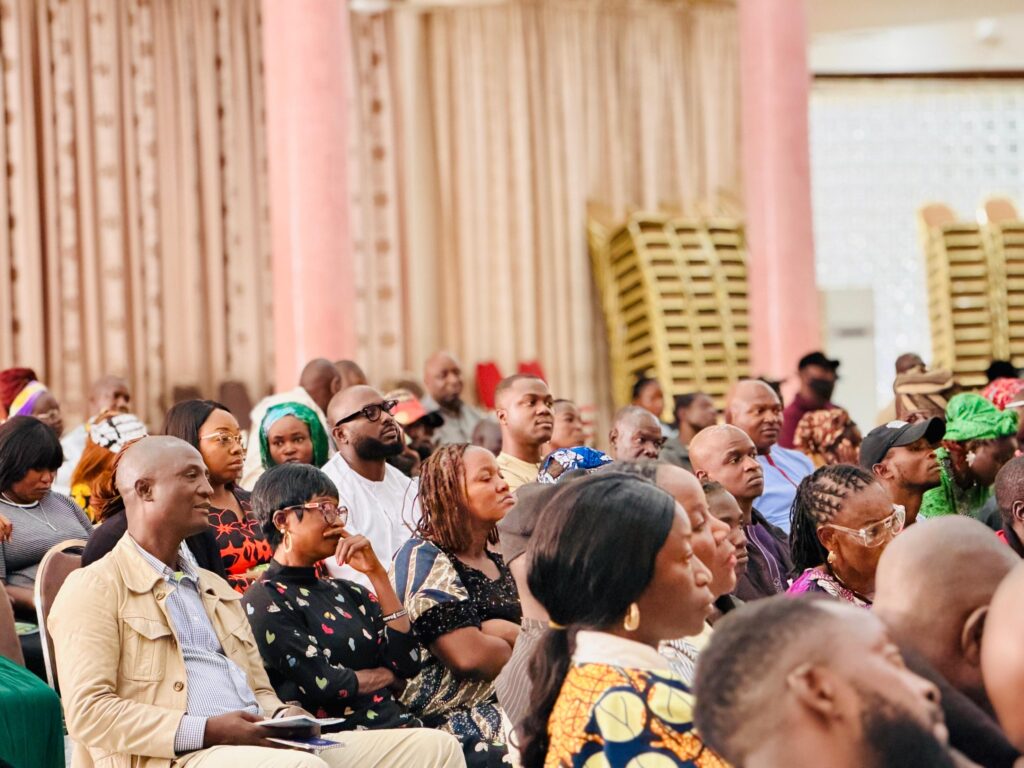
She described NG-CARES as a critical intervention programme with significant potential to improve livelihoods, strengthen community resilience, and stimulate economic recovery among vulnerable populations.
The orientation programme underscores Plateau State Government’s commitment to effective programme implementation, institutional sustainability, and the development of a skilled workforce capable of driving impactful interventions under NG-CARES 2.0. It also reflects the state’s determination to leverage the programme as a strategic vehicle for poverty reduction, economic empowerment, and inclusive development across Plateau State.