


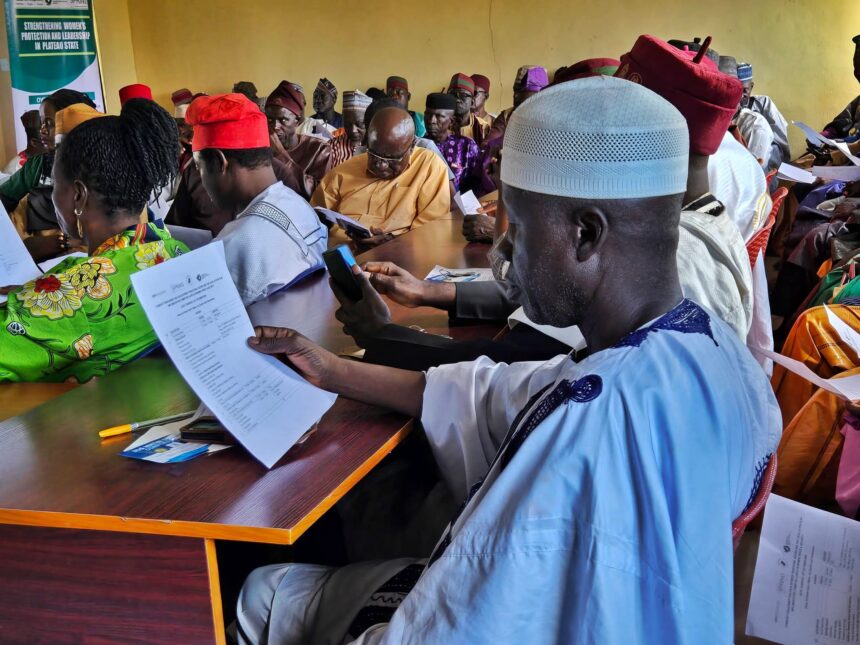
The Women for Positive Peacebuilding Initiative (WOPPI), in collaboration with Jos South Local Action for Peace and Inclusion Committee (LAPIC) stakeholders, has engaged more than 50 traditional leaders from Gyel in Jos South Local Government Area of Plateau State to strengthen community bylaws and address emerging security and protection challenges.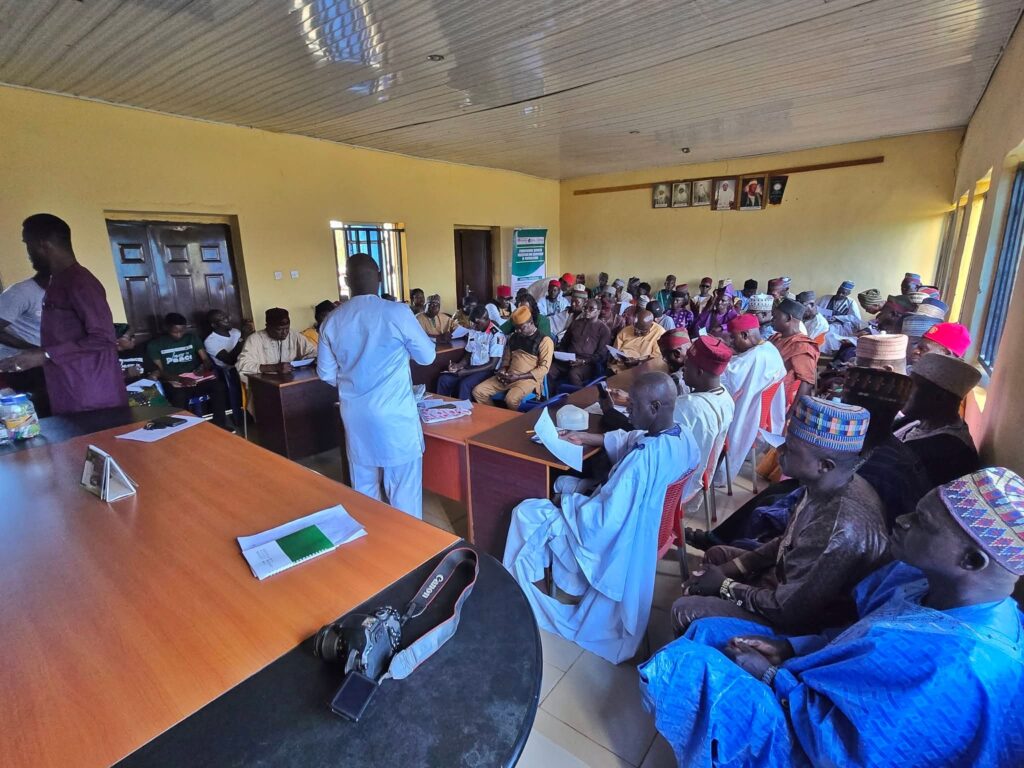
The engagement, which forms part of ongoing efforts to promote women’s protection, peace and security, provided a platform for traditional leaders and other stakeholders to examine existing community regulations and identify gaps requiring urgent attention.
During the meeting, the traditional leaders presented their community bylaws, which were developed in 2016. Following deliberations, participants called for a comprehensive review of the document to reflect emerging security threats and address issues that were either inadequately covered or not captured in the existing provisions.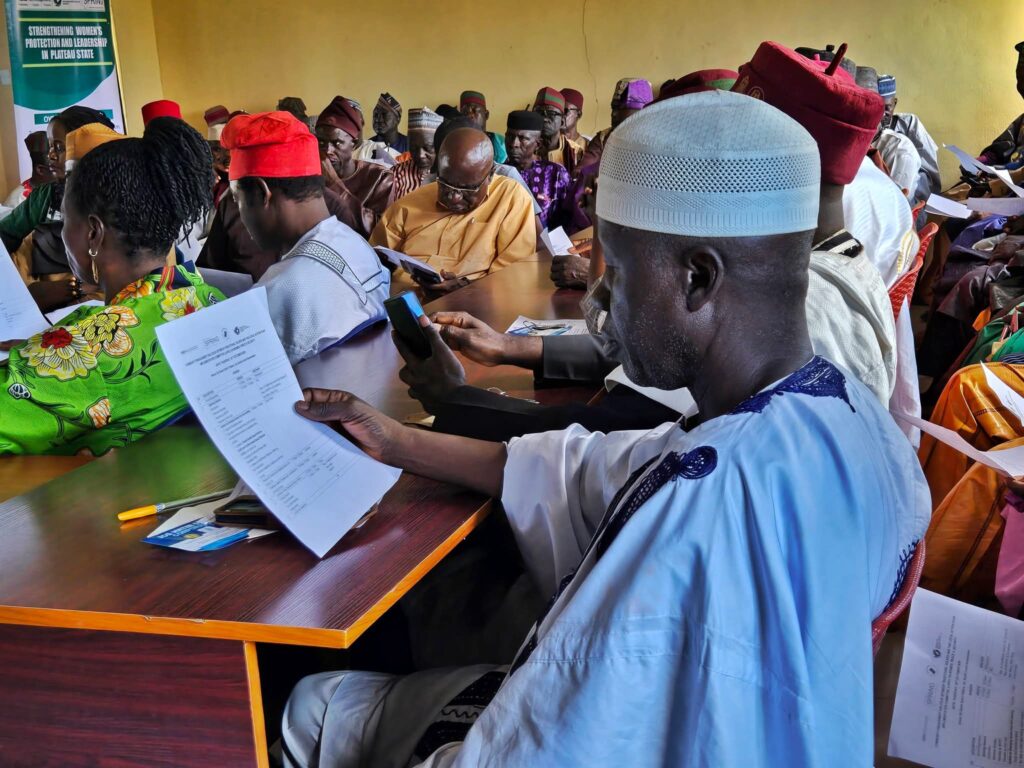
Among the concerns identified were kidnapping, underage mining, sexual and gender-based violence (SGBV), rape, and the protection of women and children.
The stakeholders stressed the need for community regulations that respond to prevailing realities, strengthen accountability and provide clearer measures for preventing abuses and protecting vulnerable groups.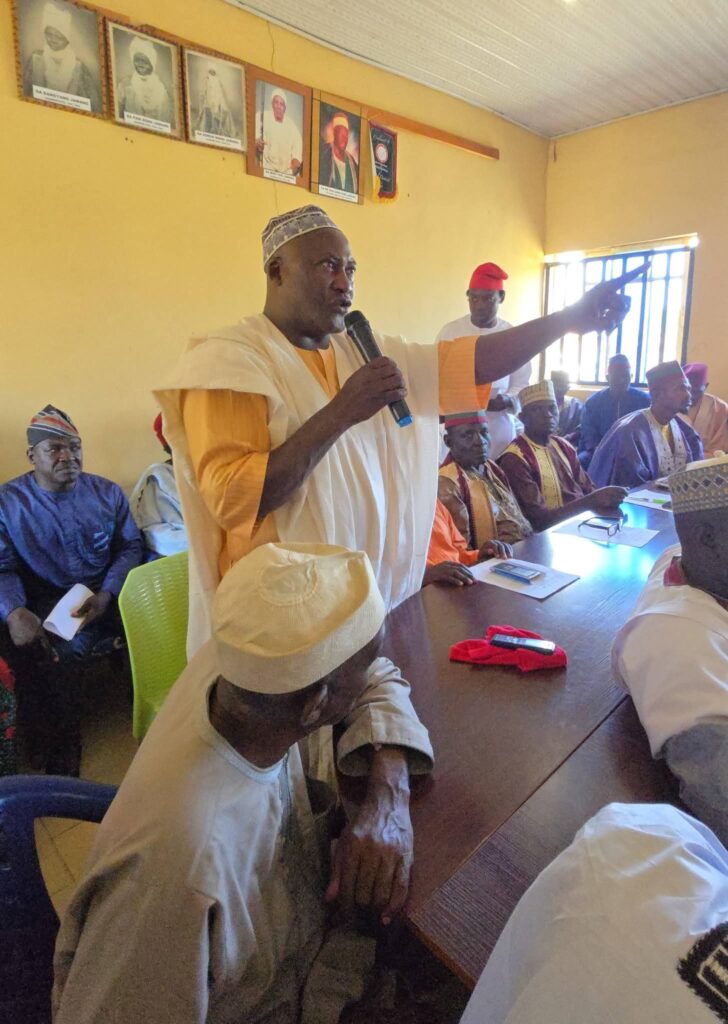
The engagement also underscored the importance of girls’ education, child protection and the meaningful participation of women in traditional leadership structures and community decision-making processes.
The traditional leaders disclosed that they had begun incorporating women into their council and reaffirmed their commitment to reviewing the existing bylaws to accommodate the concerns raised during the engagement.
The proposed review is expected to provide an opportunity for community stakeholders to strengthen local mechanisms for addressing security threats, preventing gender-based violence and promoting a more inclusive approach to peacebuilding.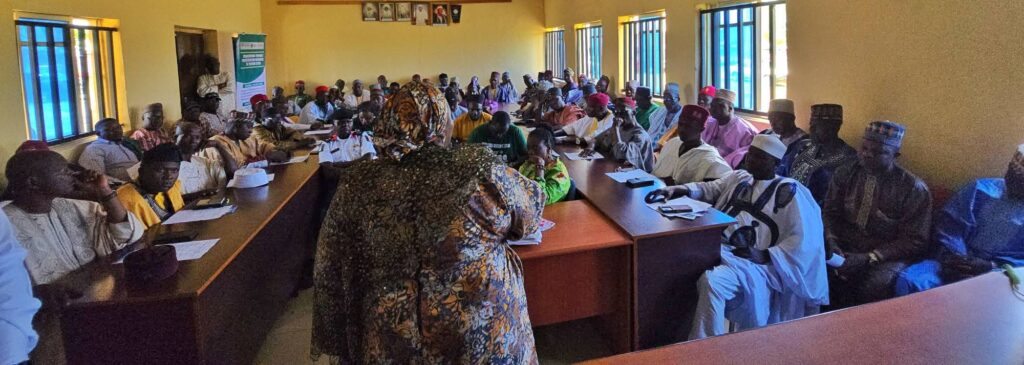
WOPPI and the LAPIC stakeholders expressed appreciation to the traditional leaders for their warm reception, openness to dialogue and willingness to work towards improving community safety and protection.
The engagement reflects the importance of collaboration between traditional institutions, community stakeholders and peacebuilding organisations in developing locally driven solutions to security challenges.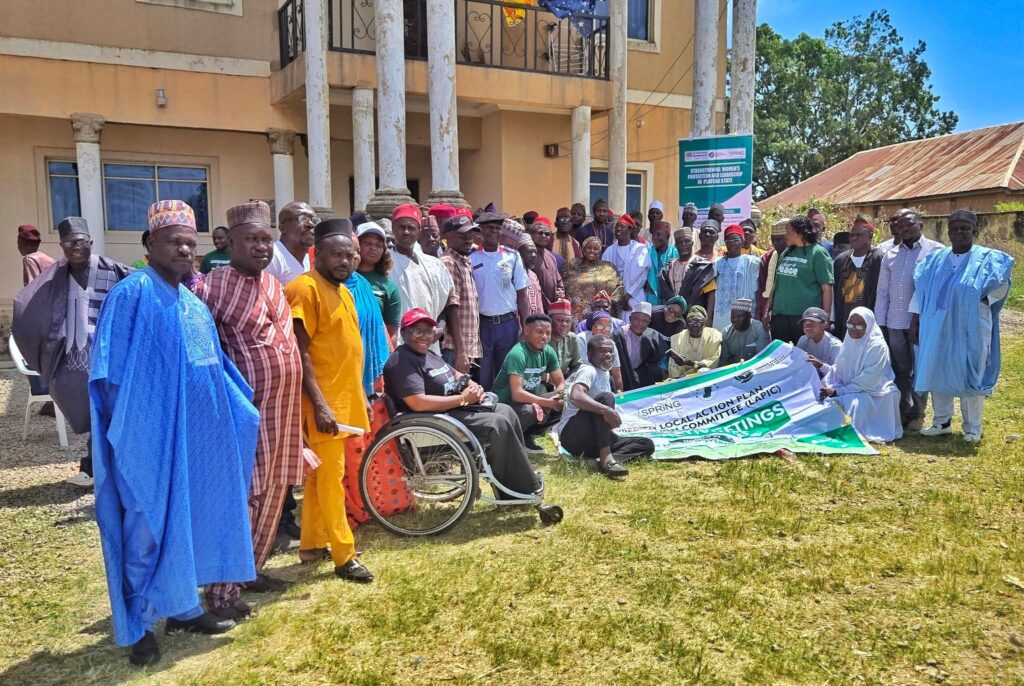
By strengthening community bylaws and promoting inclusive leadership, stakeholders hope to advance safer communities where the rights and dignity of women, children and other vulnerable groups are protected, while fostering peaceful coexistence and sustainable development.