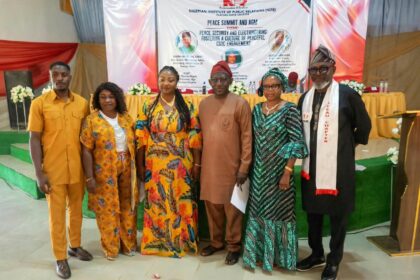


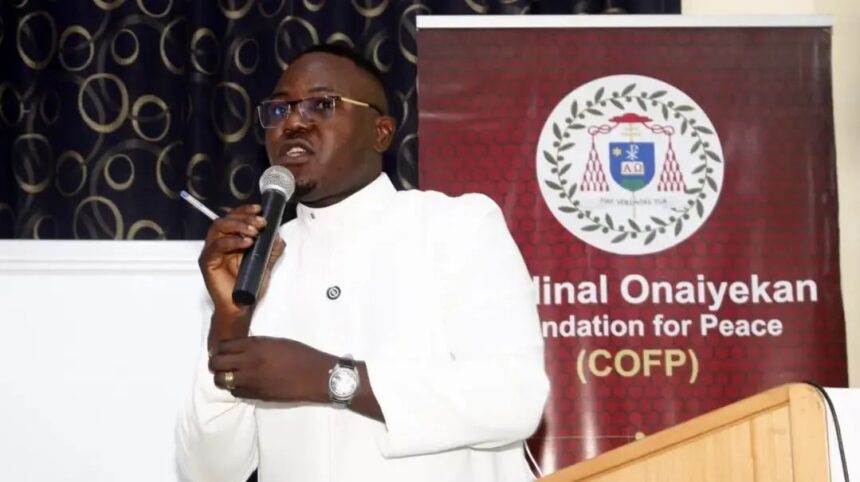
ABUJA: The Cardinal Onaiyekan Foundation for Peace (COFP) has called for responsible and non-violent political participation among Nigerian youths ahead of the 2027 general elections, urging young citizens to reject political thuggery, hate speech, intimidation and the spread of misinformation.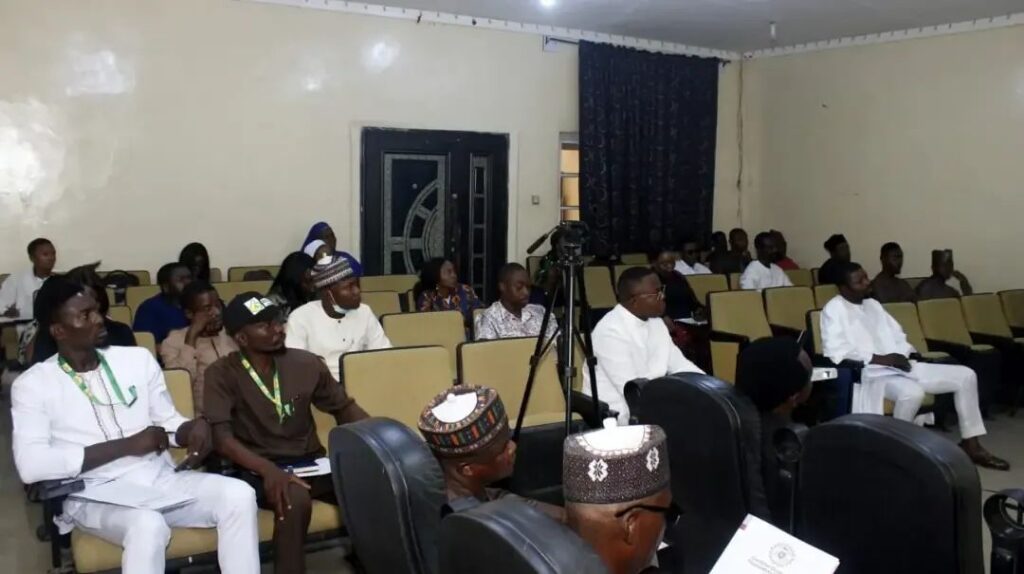
The call was made on Wednesday, October 28, 2026, during a one-day youth advocacy workshop organised by the foundation at Merit House, Maitama, Abuja. The workshop focused on how young Nigerians can promote peaceful politics, protect electoral integrity and contribute to a more stable democratic environment.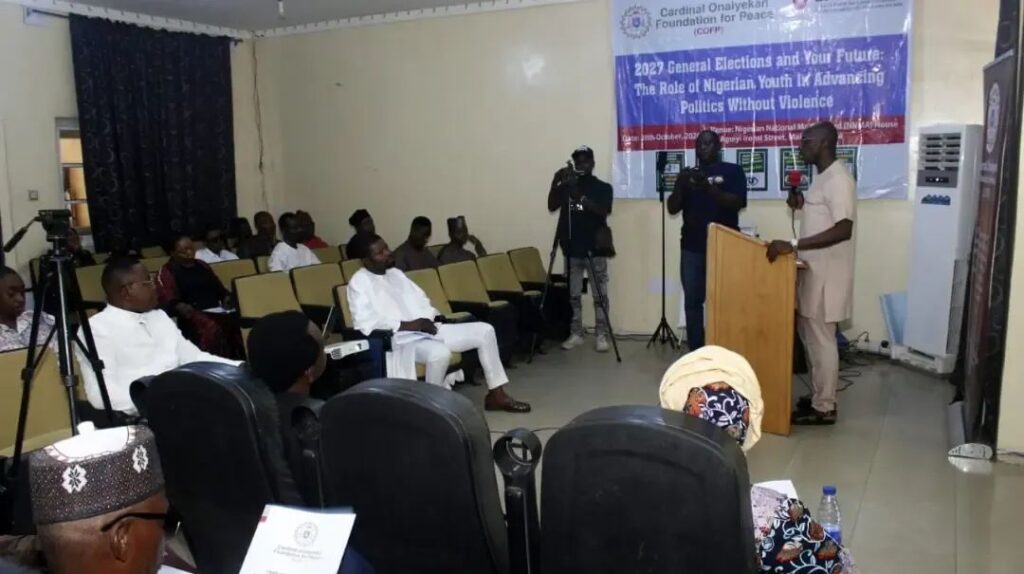
The engagement comes as political activities gradually intensify ahead of the next general elections, placing renewed emphasis on the role of young people in shaping the country’s political climate and safeguarding democratic institutions.
Discussions at the workshop centred on responsible civic participation, the dangers of political violence, the spread of fake news and hate speech, and the need to manage political disagreements through peaceful and democratic means.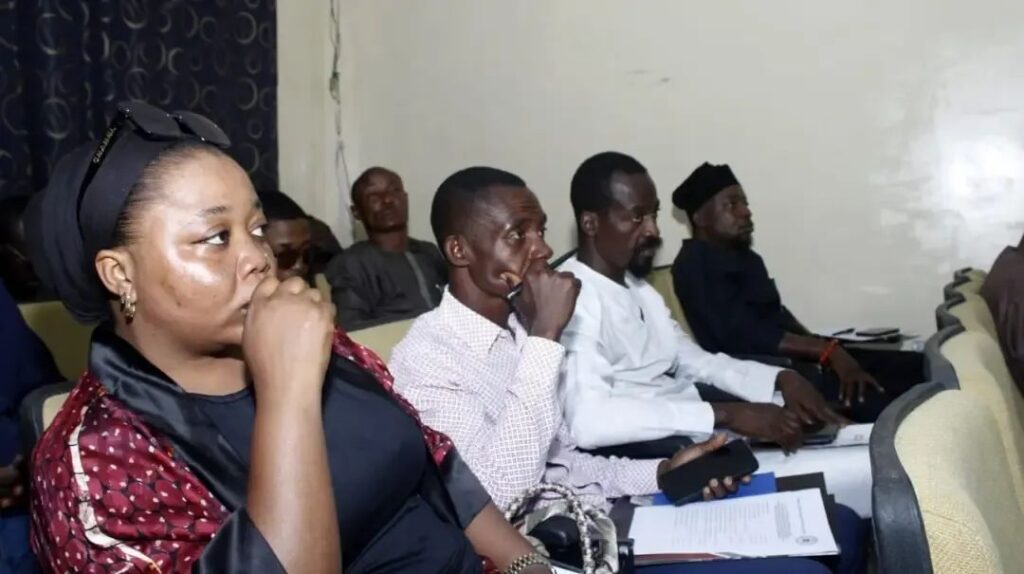
Participants also examined ways young citizens can engage elected representatives constructively, demand accountability and encourage responsible governance without resorting to violence or actions capable of threatening public safety.
The workshop highlighted the importance of moving beyond the perception of youths as mere instruments of political mobilisation to recognising them as active stakeholders whose decisions and actions can influence the credibility of elections and the future of democratic governance.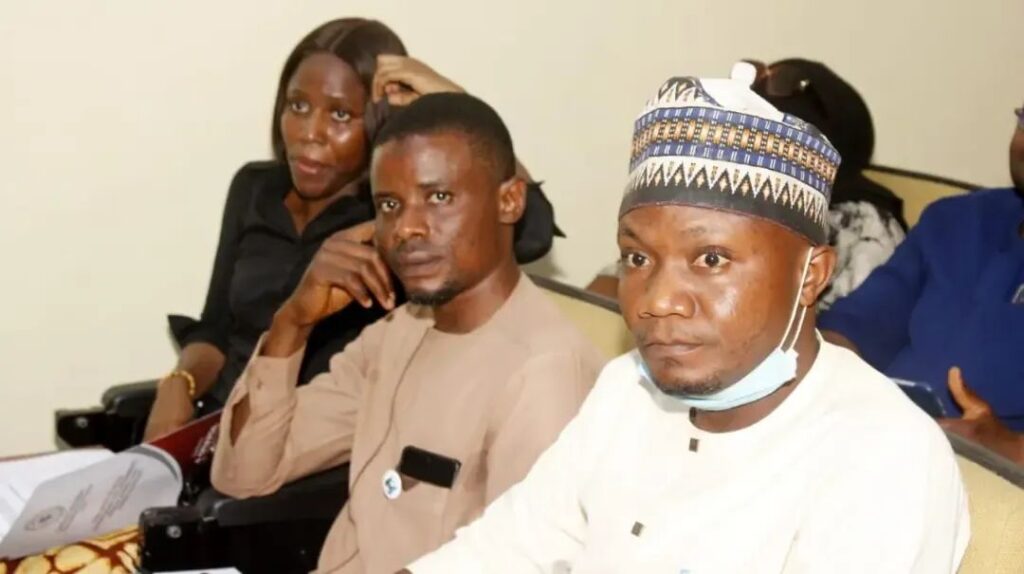
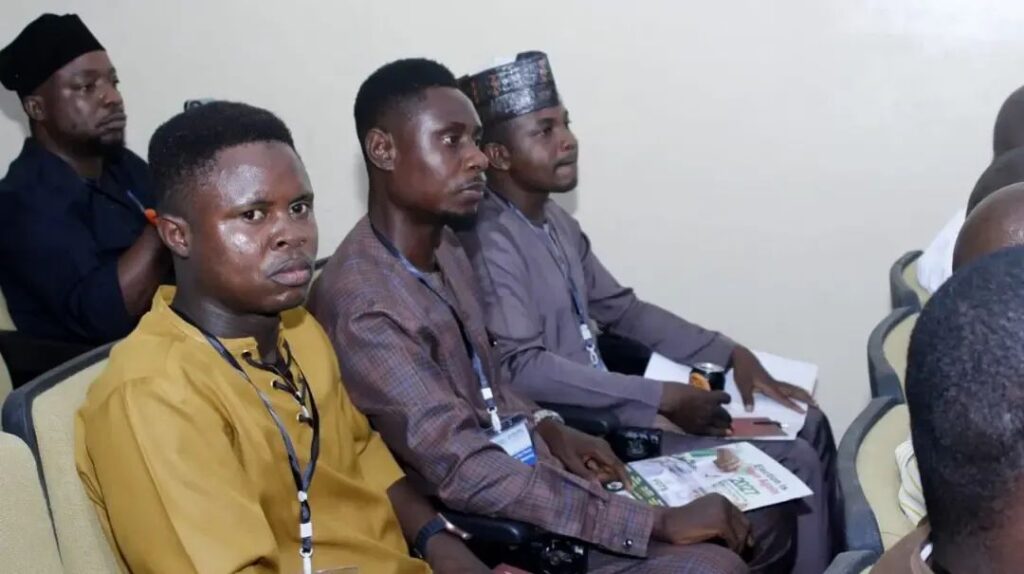
Political violence, intimidation and the manipulation of young people for partisan interests remain concerns in Nigeria’s electoral environment. Such practices can undermine voters’ freedom, discourage participation, heighten tensions within communities and weaken public confidence in the electoral process.
Similarly, the circulation of unverified information and inflammatory statements, particularly through social media, can deepen political divisions and trigger hostility among supporters of competing parties. Responsible digital engagement and fact-checking are therefore essential to ensuring that political communication contributes to informed debate rather than conflict.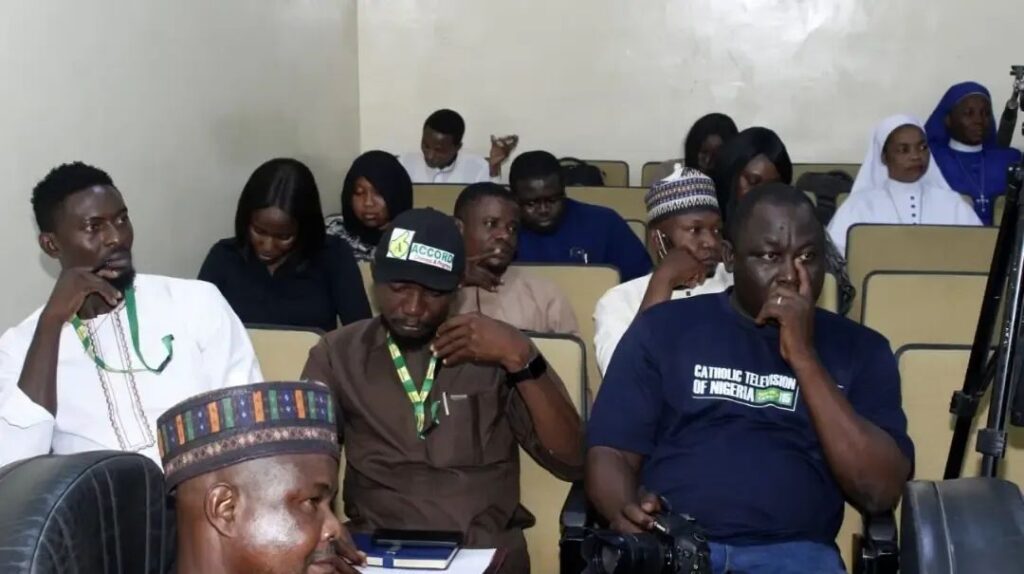
Beyond their participation during elections, young Nigerians have a continuing responsibility to monitor governance, question public officials through legitimate channels, contribute to policy discussions and demand that elected leaders fulfil their commitments to citizens.
The workshop consequently underscored the need for young people to make informed political choices, respect differing opinions, reject electoral violence and embrace dialogue as a means of resolving disagreements.
As Nigeria prepares for the 2027 general elections, the responsibility for peaceful polls rests not only with electoral institutions, political parties and security agencies but also with citizens, particularly young people who play a significant role in political mobilisation and public discourse.
The central challenge, therefore, is to ensure that youth participation translates into constructive democratic engagement rather than violence, division or manipulation.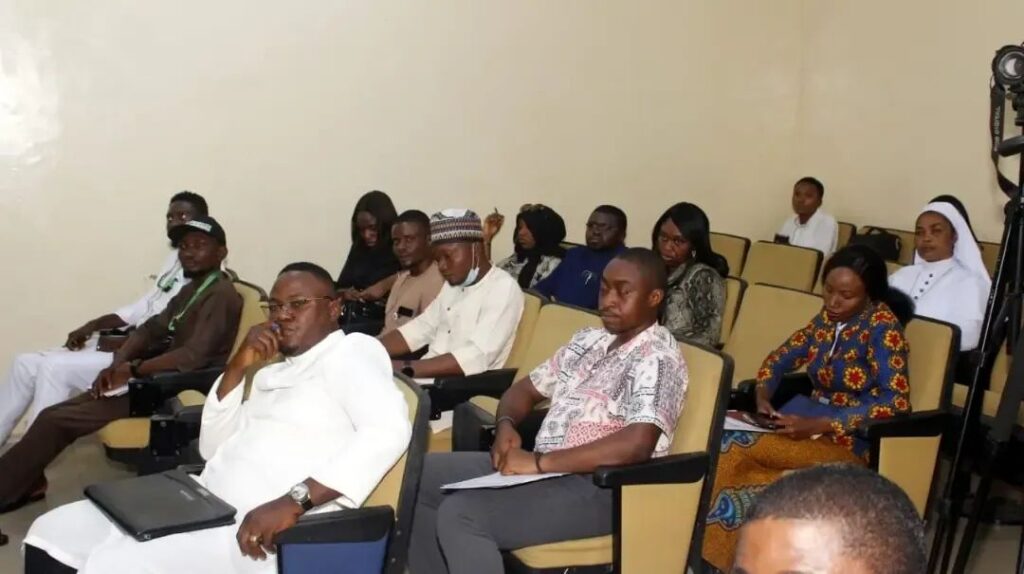
A peaceful electoral process requires citizens who are willing to defend their votes, respect the rights of others and hold leaders accountable within the law. For Nigeria’s young population, choosing peace is not a withdrawal from politics; it is a deliberate commitment to protecting democracy and building a future in which political differences do not come at the expense of human lives and community stability.