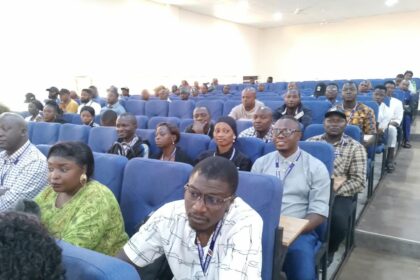


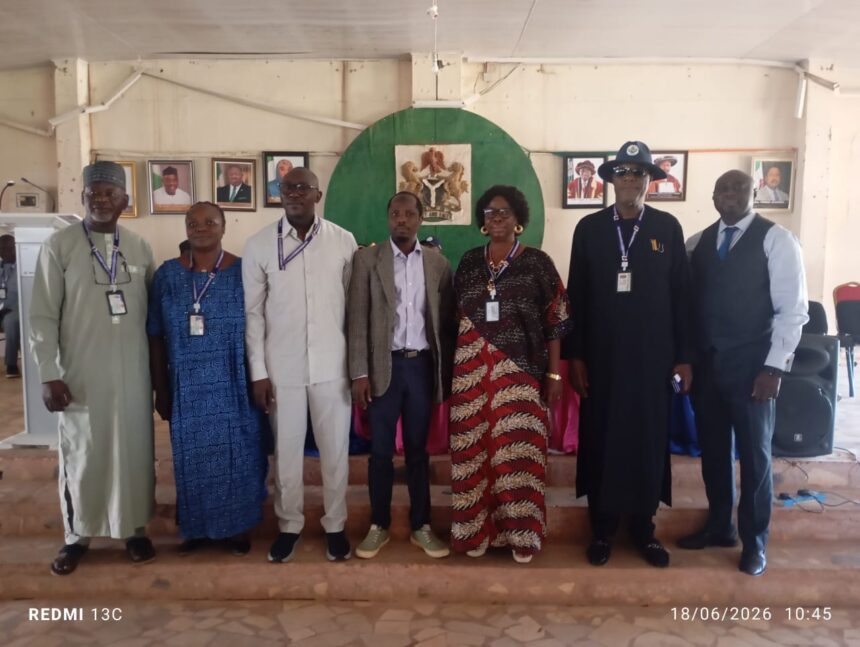
The Federal University of Education, Pankshin (FUEP), has taken a significant step towards enhancing research impact, academic visibility, and digital teaching by organizing a one-day capacity-building workshop for its academic staff on Research Commercialisation, Google Scholar, ORCID, and Blackboard Learning Management System.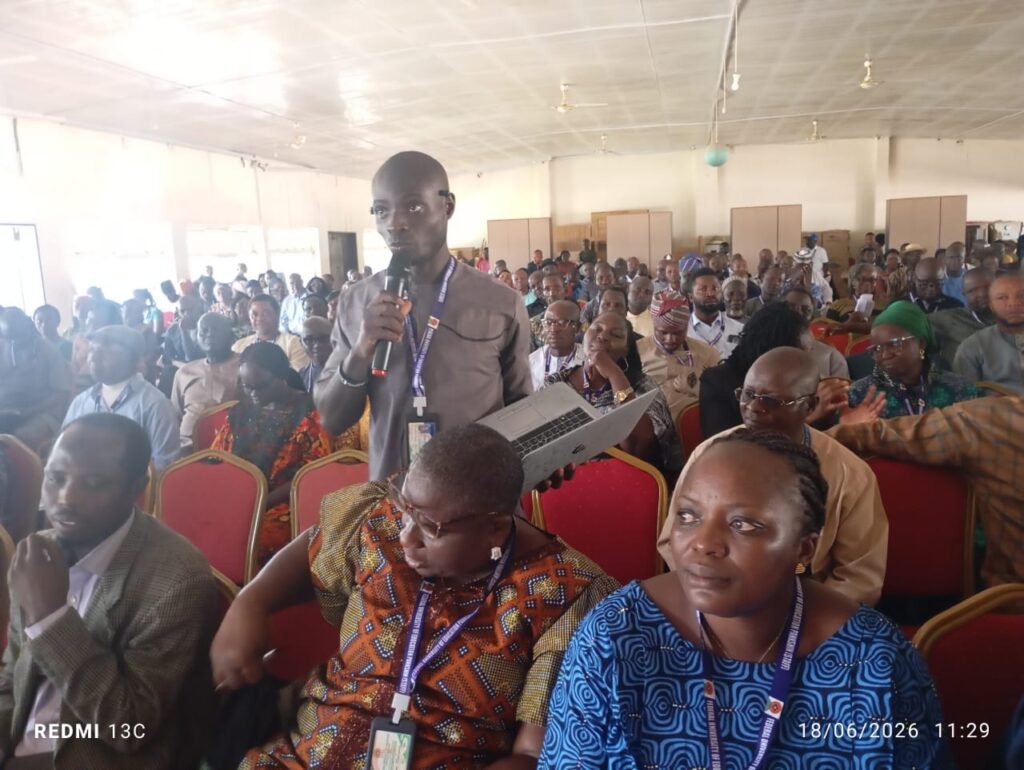
The workshop, held at the University Auditorium on Thursday, June 18, 2026, was organized through a collaboration between the Directorate of Research, Innovation and Development and the University Management.
Declaring the workshop open, the Vice-Chancellor, Prof. Noel Wannang, represented by the Deputy Vice-Chancellor (Academics), Prof. Anthonia Chukwu, emphasized the importance of transforming academic research into practical solutions capable of generating wealth and societal impact.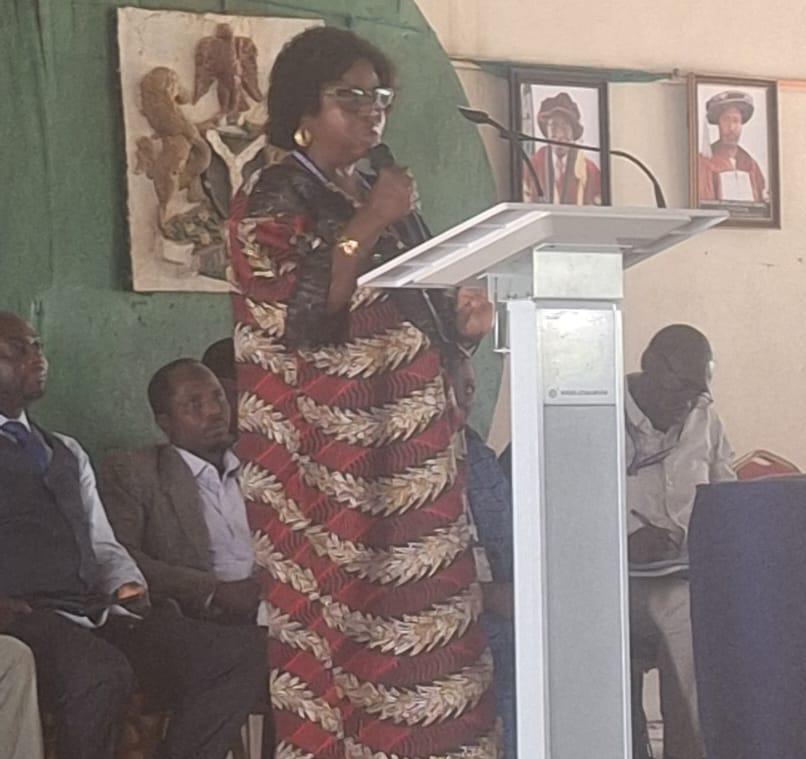
According to her, the era of conducting research solely for publication and storage in library shelves is over, stressing that modern research must be visible, accessible, and commercialized.
She noted that academic staff possess enormous potential to create wealth through innovative research and urged participants to take advantage of the training to improve both their professional standing and the University’s reputation.
The first presentation, titled “Research Commercialisation: From Ideas to Impact,” was delivered by Prof. Ayodele Adewole, a research commercialisation expert from the University of Jos.
Prof. Adewole described research commercialisation as the process of transforming research outputs, products, services, and innovations into marketable solutions that create value for society while generating income for researchers and institutions.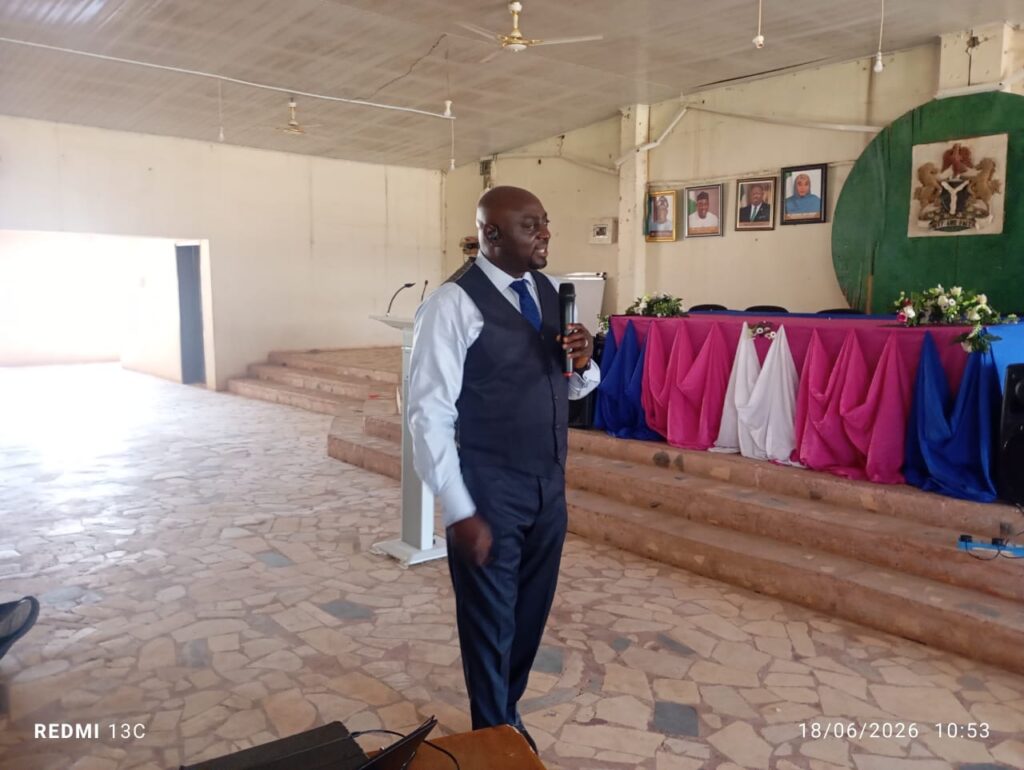
He explained that dwindling government funding has made it imperative for universities to explore alternative revenue sources through commercially viable research.
According to him, researchers who develop solutions to real-life challenges and secure intellectual property rights stand a better chance of attracting investments and achieving financial success.
He further encouraged academics to collaborate with industries and international partners, noting that such partnerships increase access to funding, strengthen institutional reputation, and improve global university rankings.
“Research must move beyond academic exercises to solving practical problems. We must not only publish but also create and prosper,” he said.
Prof. Adewole also highlighted the opportunities available in developing digital products, applications, and software solutions as avenues for institutional visibility and financial independence.
The second resource person, Mr. Ibrahim Bawa of the Directorate of ICT, University of Jos, delivered a presentation on “Using Digital Academic Tools to Enhance Academic Visibility.”
He demonstrated how academic staff can leverage digital platforms such as LinkedIn, ORCID, and Google Scholar to showcase their research outputs, connect with global scholarly communities, and increase their professional visibility.
Bawa described LinkedIn as a powerful networking platform for professionals, while ORCID provides a unique researcher identity that links publications, grants, and scholarly activities across global databases.
He also encouraged participants to maximize the use of Google Scholar and emerging Artificial Intelligence tools to improve research accessibility and impact.
In another presentation, the Director of ICT, FUEP, Mrs. Tarini Dalok, spoke on the “Effective Use of Blackboard for Teaching.”
She explained that Blackboard is a comprehensive Learning Management System that enables lecturers to deliver course content, administer assignments and tests, communicate with students, and monitor academic progress digitally.
Dalok noted that the platform supports virtual learning environments, allowing lecturers and students to interact beyond the traditional classroom setting.
She revealed that the University’s planned content creation studio would further empower staff to produce audio and video learning materials for online delivery.
According to her, effective use of Blackboard will enhance learning accessibility, reduce classroom congestion, and improve the institution’s global competitiveness.
Earlier, the Director of Research, Innovation and Development, Prof. Yohanna Mallo, welcomed participants and expressed appreciation to the University Management and resource persons for supporting the initiative.
He urged lecturers to apply the knowledge gained from the workshop by pursuing commercially viable research capable of improving their personal economic well-being and contributing to the University’s development.
In his vote of thanks, the Registrar, Mr. Longtong Yadok, commended the organizers and facilitators for a successful workshop and wished participants fruitful implementation of the skills acquired.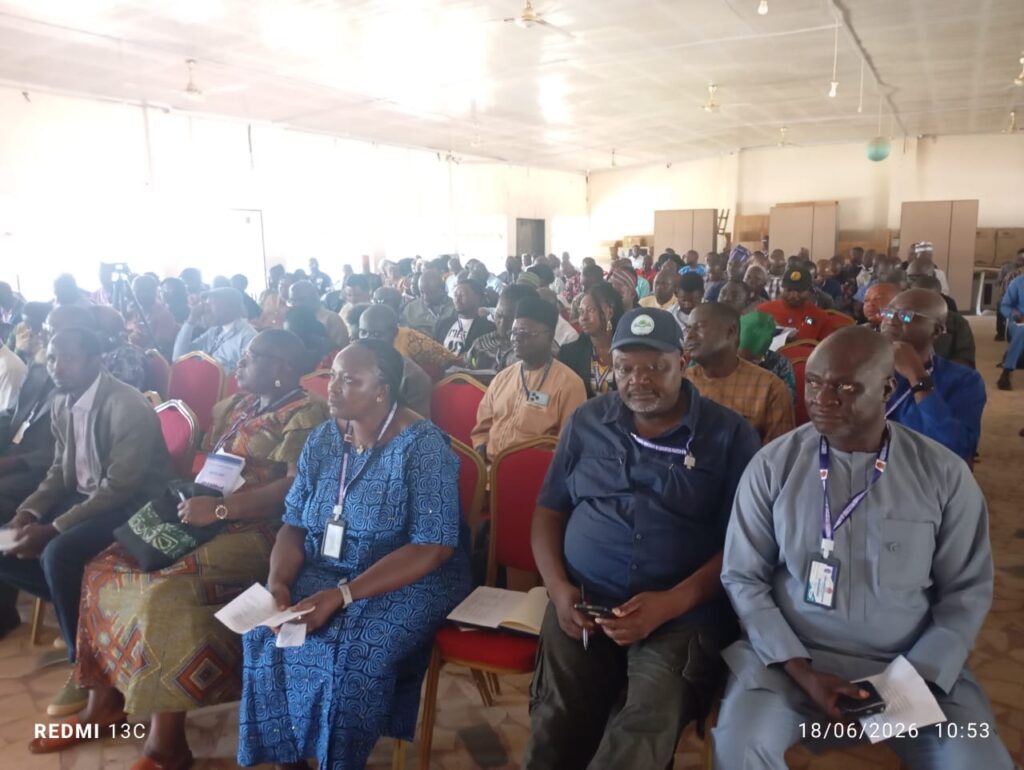
The workshop reflects FUEP’s commitment to fostering innovation, strengthening research capacity, embracing digital transformation, and positioning its academic staff for greater relevance in the global knowledge economy.