


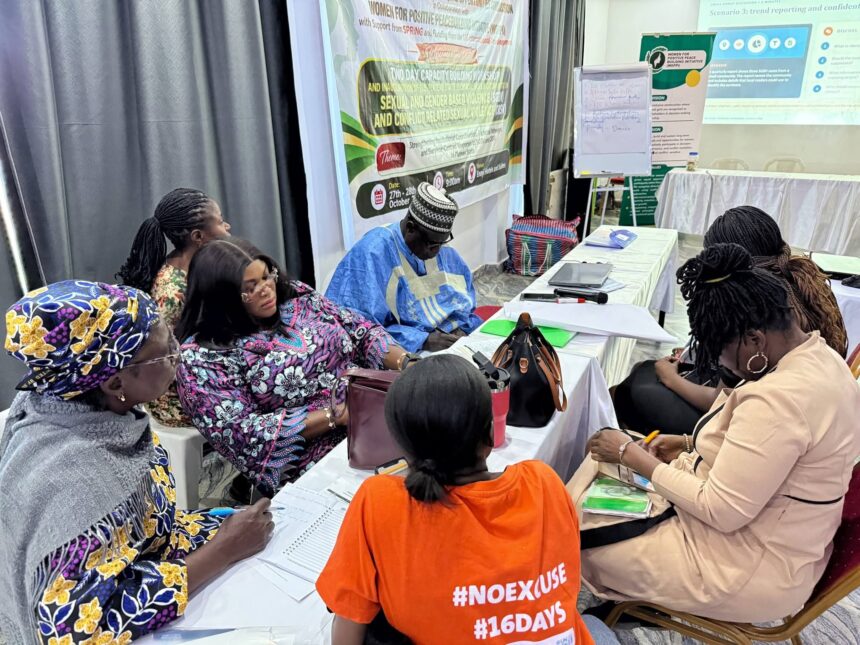
The second day of the capacity-building training and inauguration of the Plateau State Technical Working Committee on Survivor-Centred Response to Sexual and Gender-Based Violence (SGBV) and Conflict-Related Sexual Violence (CRSV) shifted attention from policy discussions to the practical systems needed to protect survivors, with participants examining how incidents should be monitored, reported, and documented without compromising victims’ safety or dignity.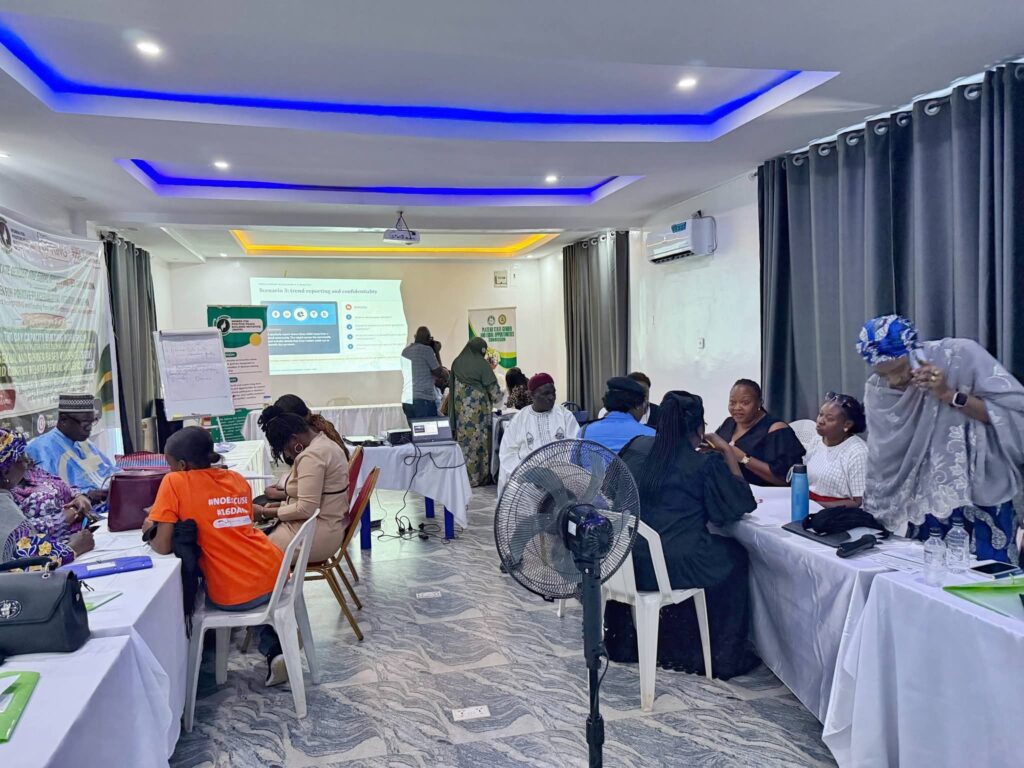
The sessions featured interactive group work centred on strengthening trend monitoring, establishing safe reporting mechanisms, improving confidential information-sharing, and ensuring compliance with the Nigeria Data Protection Act, 2023 in the management of survivor information.
Participants explored how agencies can generate reliable data on SGBV and CRSV trends while safeguarding sensitive information, stressing that accurate documentation must go hand-in-hand with strict confidentiality measures to prevent further harm to survivors.
The discussions also highlighted the importance of coordinated referral pathways, with participants identifying timely reporting and seamless collaboration among response agencies as critical elements of an effective survivor-centred system.
Responding to concerns raised during the previous day’s learning sessions, the Nigeria Police Force reaffirmed its commitment to strengthening inter-agency coordination and improving data protection practices in the handling of SGBV and CRSV cases.
The renewed commitment was welcomed by participants, who noted that building public confidence in reporting mechanisms depends on survivors knowing their personal information will be treated with confidentiality and respect throughout the response process.
The training forms part of broader efforts to strengthen Plateau State’s institutional response to SGBV and CRSV by equipping members of the newly inaugurated Technical Working Committee with the skills, legal knowledge, and coordination frameworks required to deliver survivor-centred services.
As the training progressed, a common message emerged from the deliberations: protecting survivors extends beyond responding to violence—it requires responsible data management, trusted reporting systems, and coordinated action that places survivors’ privacy, dignity, and safety at the heart of every intervention.