

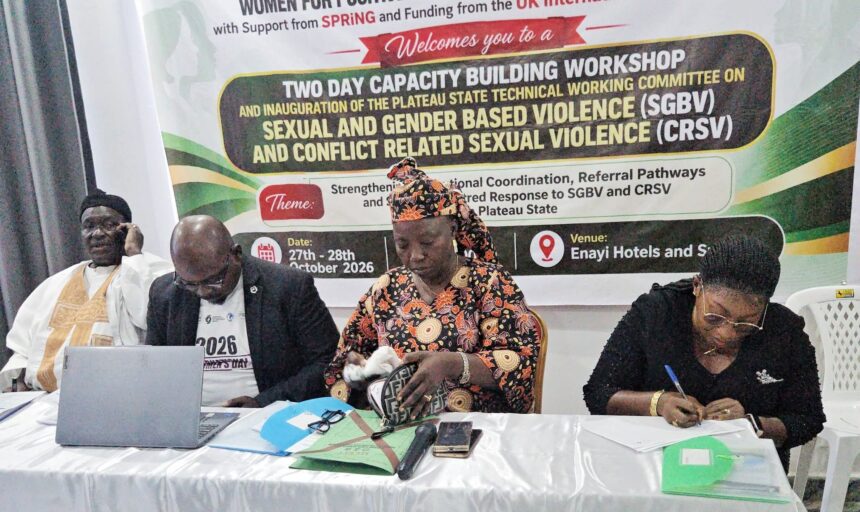
Stakeholders in Plateau State have commenced a two-day capacity-building training and inauguration of the Plateau State Technical Working Committee on Survivor-Centred Response to Sexual and Gender-Based Violence (SGBV) and Conflict-Related Sexual Violence (CRSV), with a focus on strengthening institutional coordination, survivor protection and access to justice.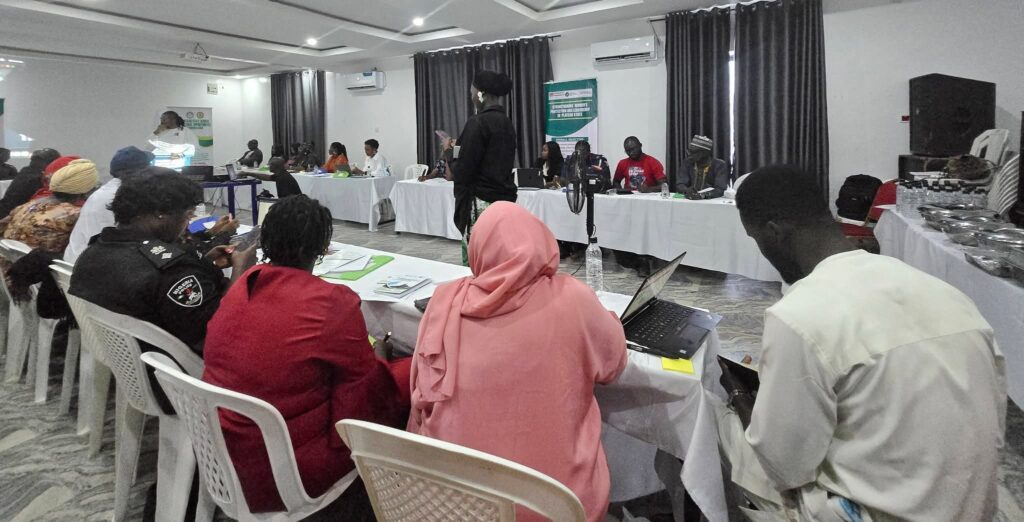
The programme began on Tuesday, October 27, 2026, in Jos, bringing together key stakeholders, including the Chairperson of the Plateau State Gender and Equal Opportunities Commission, Barr. Olivia Dazyam, and Hon. Justice Mary Izam of the Gender Court.
The initiative seeks to strengthen the capacity of relevant institutions to respond effectively to cases of sexual and gender-based violence, particularly in situations where survivors require coordinated support, protection and access to justice.
Discussions on the opening day focused on the responsibilities of institutions in preventing and responding to SGBV and CRSV, strengthening referral pathways, promoting safe reporting mechanisms and improving survivors’ access to justice.
The sessions also underscored the importance of coordinated institutional responses to ensure that survivors are treated with dignity, their rights are protected and their cases are handled in ways that minimise further harm.
A survivor-centred approach places the needs, safety, dignity and choices of survivors at the heart of interventions. It requires relevant institutions to respond sensitively, maintain appropriate confidentiality, avoid victim-blaming and ensure that survivors can access the services and justice mechanisms available to them.
For survivors of conflict-related sexual violence, effective responses may require collaboration among justice institutions, protection agencies and other relevant service providers, particularly where insecurity, displacement, stigma and limited access to essential services create additional barriers to reporting and recovery.
The inauguration of the Technical Working Committee is therefore an opportunity to strengthen collaboration among relevant stakeholders and establish clearer channels for coordinating prevention, reporting, referrals and responses to cases of sexual violence.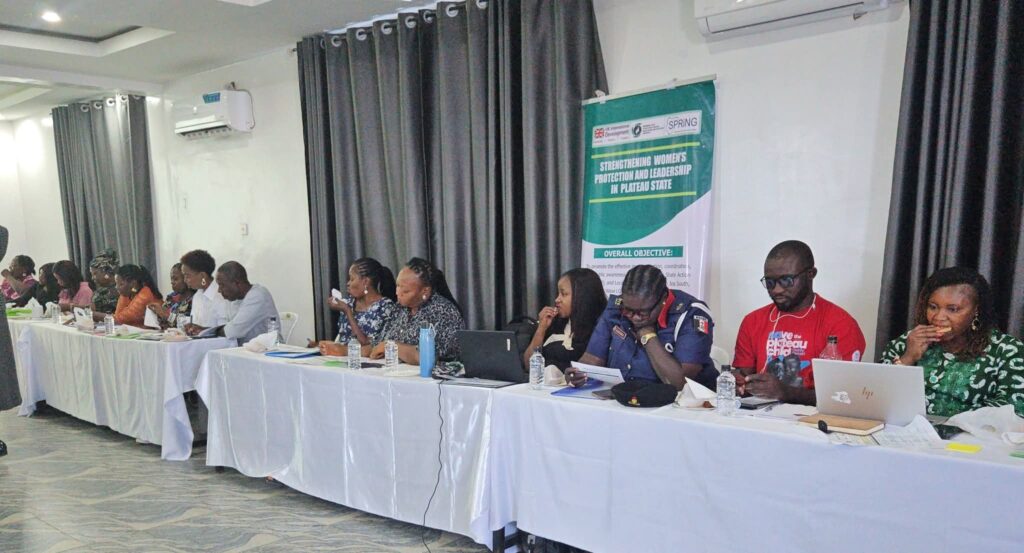
Effective referral pathways are particularly important because survivors may require multiple forms of assistance, including medical care, psychosocial support, legal services and protection. Without proper coordination, survivors may encounter delays, repeated accounts of traumatic experiences or difficulties accessing the support they need.
The training is expected to deepen stakeholders’ understanding of their respective responsibilities and promote a more consistent approach to handling cases across relevant institutions.
As the two-day programme continues, attention remains on translating discussions into practical measures that strengthen institutional accountability, improve service delivery and ensure that survivors can report incidents and seek assistance without fear of stigma, discrimination or further harm.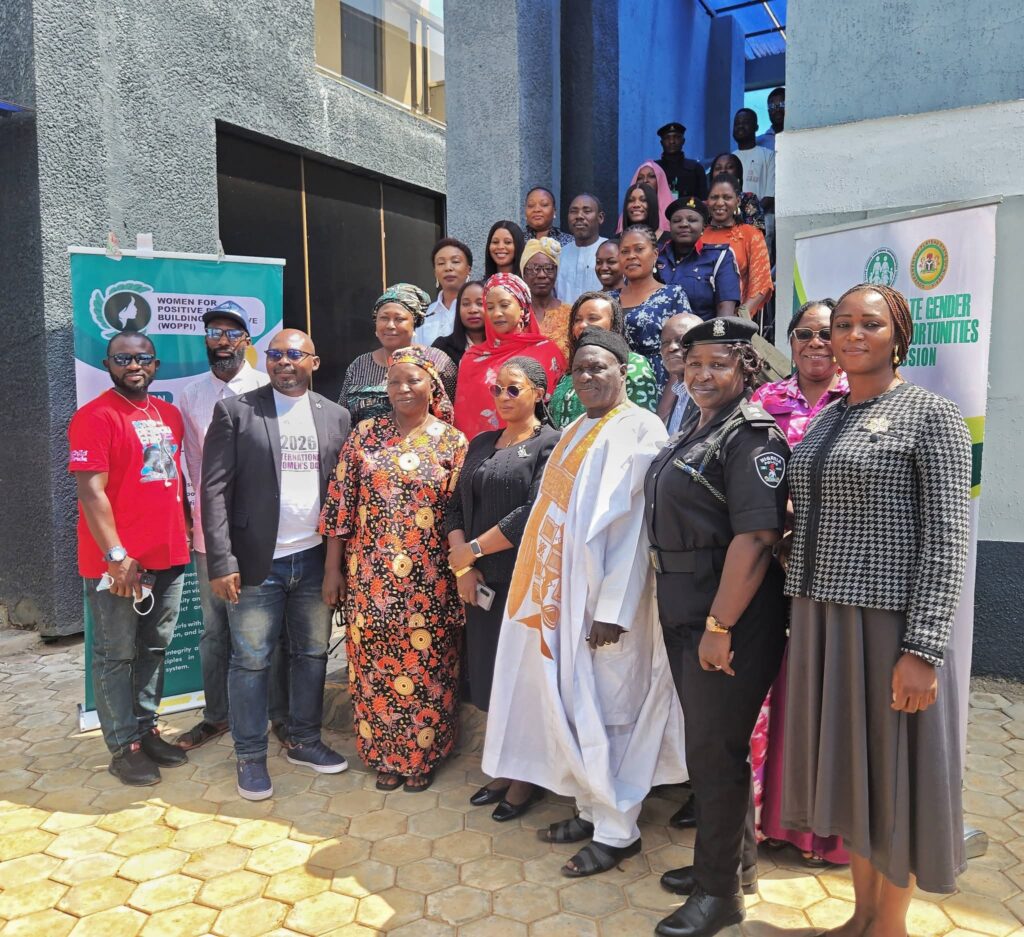
Ultimately, the success of survivor-centred interventions will depend not only on the establishment of structures and committees but also on their ability to deliver timely, coordinated and compassionate responses that protect survivors’ rights and support their recovery.