


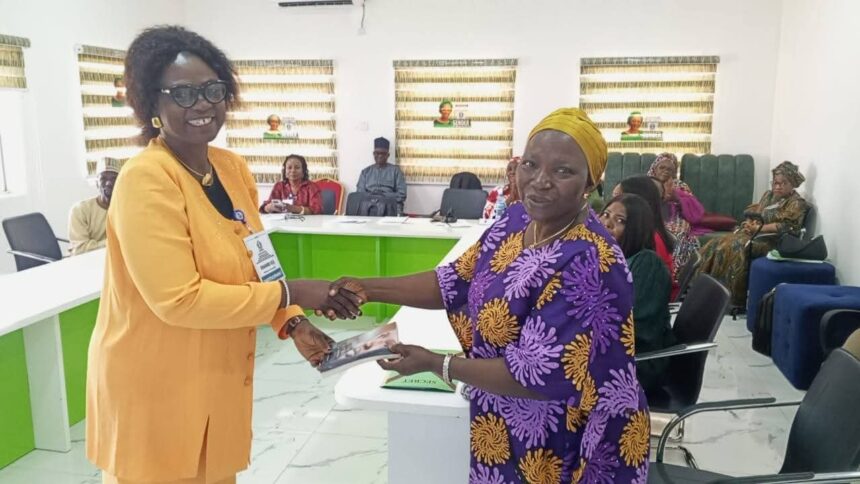
Hon. Olivia Dazyam, Esq., Special Adviser to the Governor on Gender and Chairperson of the Plateau State Gender and Equal Opportunities Commission, has called for deliberate policy interventions to dismantle gender barriers, promote inclusive leadership and advance sustainable national development.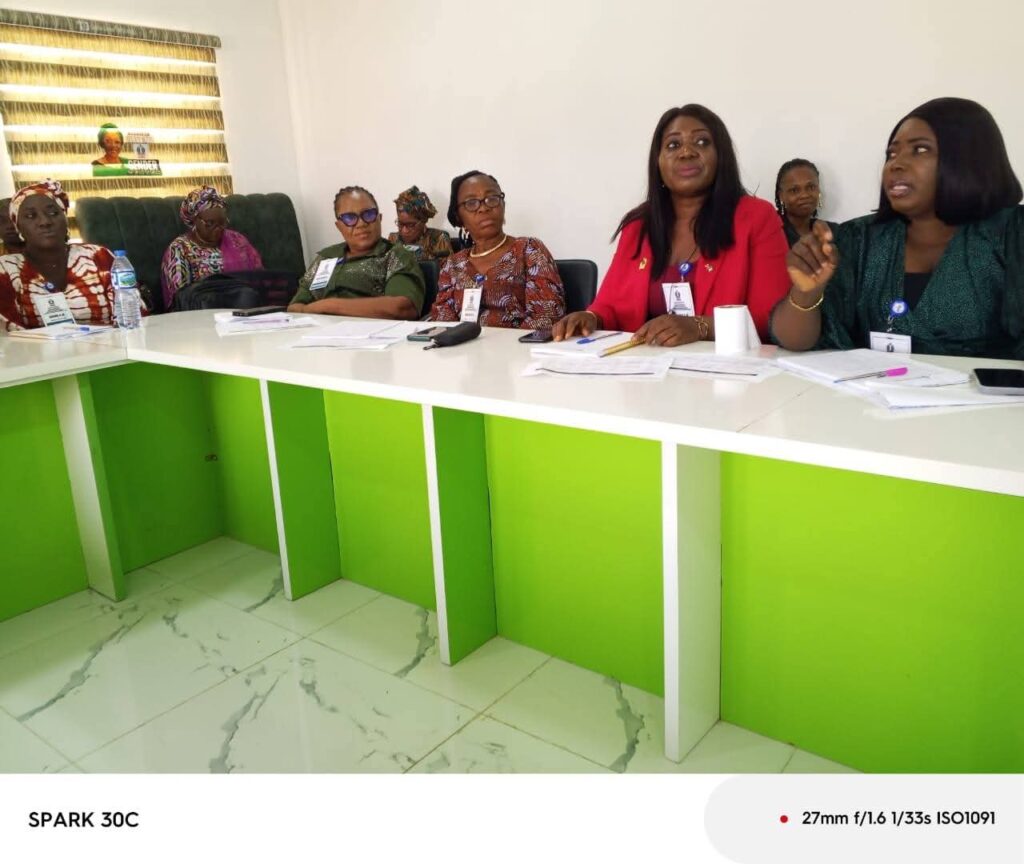
Dazyam made the call while delivering a presentation titled “Gender Norms, Power Relations and Institutional Structures: Understanding Barriers and Pathways to Transformation” at the Senator Oluremi Tinubu Gender Centre of Excellence, National Institute for Policy and Strategic Studies (NIPSS), Kuru, Plateau State.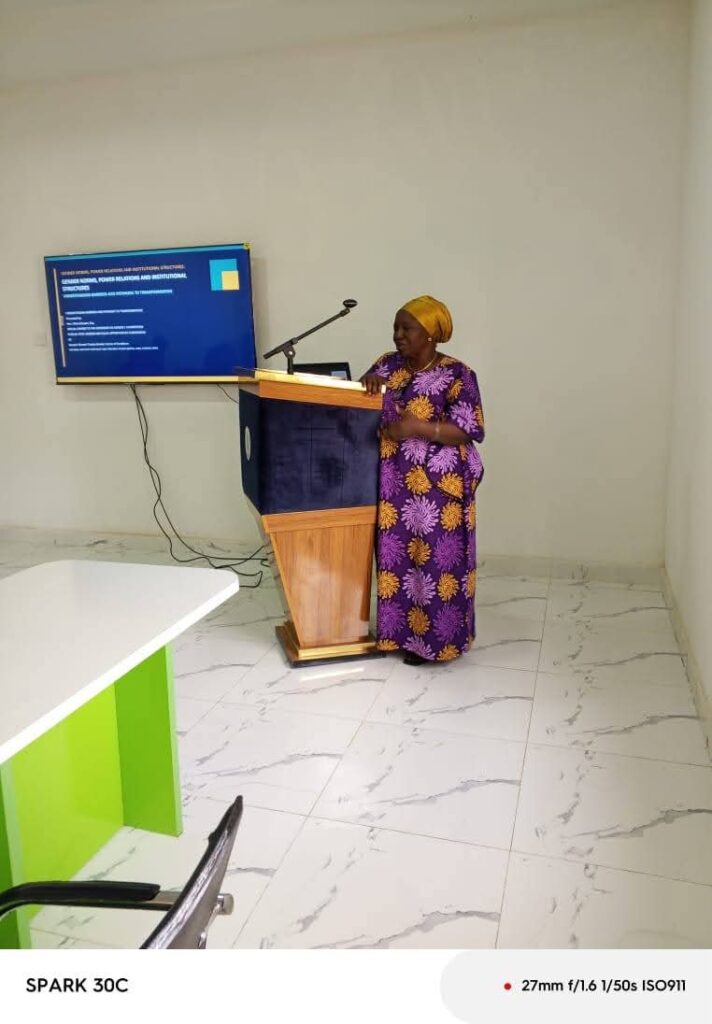
She identified entrenched cultural expectations, gender stereotypes, unequal power relations and institutional barriers as factors limiting women’s participation in leadership, governance and decision-making processes.
According to her, addressing these challenges requires a coordinated approach that combines gender-responsive policies, economic empowerment, institutional accountability and inclusive leadership, alongside sustained collaboration among government institutions, civil society organisations and other stakeholders.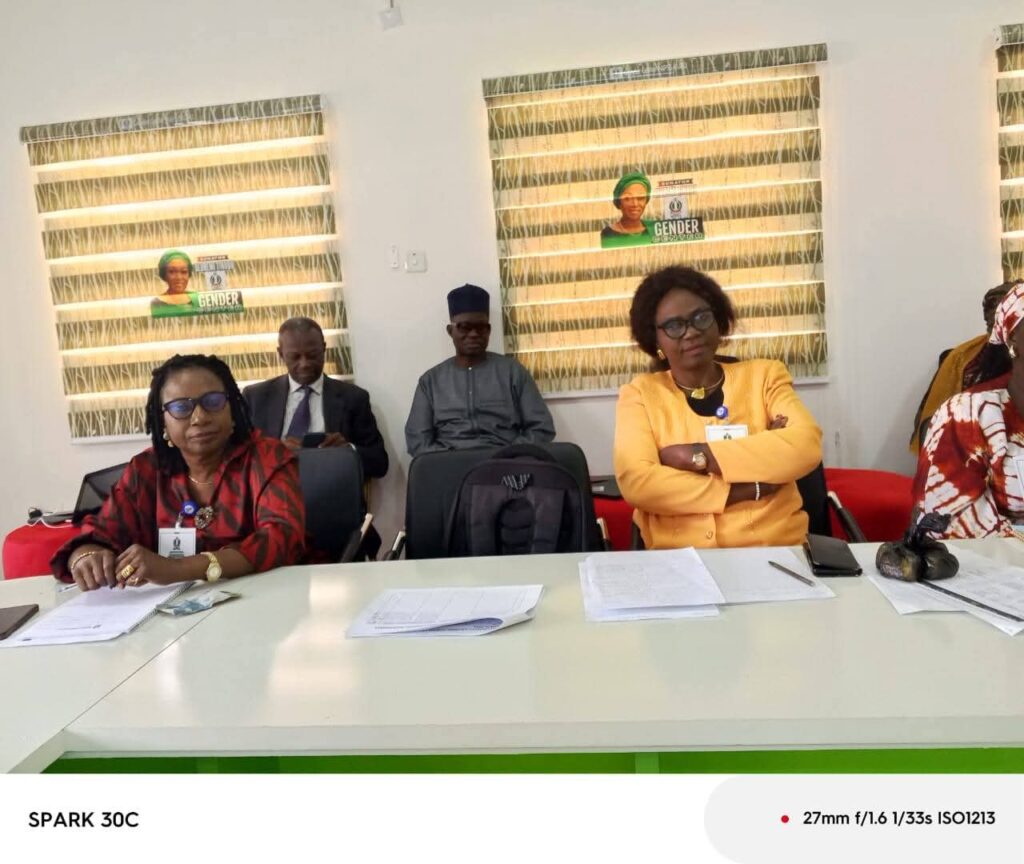
She emphasised that gender equality should go beyond advocacy and translate into practical institutional reforms that expand opportunities for women and girls, strengthen their participation in public life and promote equitable access to resources and leadership positions.
Dazyam also stressed the need to protect vulnerable children and improve institutional coordination in responding to cases of abuse, noting the importance of effective systems that safeguard the rights and welfare of those at risk.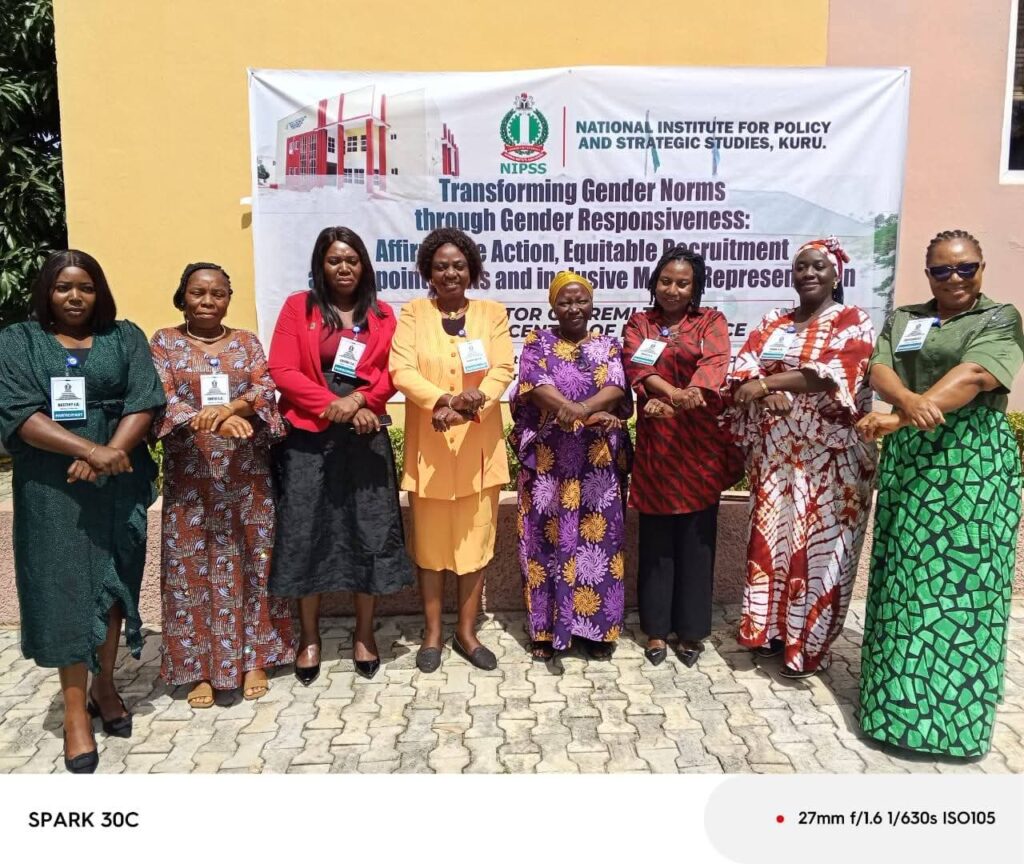
Summarising the broader implications of gender equality for governance and development, she declared: “Investing in a girl child is investing in a boy child. It’s a governance issue. When you empower a woman you empower a nation.”
Her presentation underscored the need to recognise gender equality as both a social imperative and a governance priority, with implications for inclusive decision-making, institutional effectiveness and sustainable national development.
It also highlighted the importance of addressing the structural and cultural factors that perpetuate inequality to create an environment where women and men can contribute meaningfully to the development of their communities and the nation.