


By Rotmwa Paulina Kassam
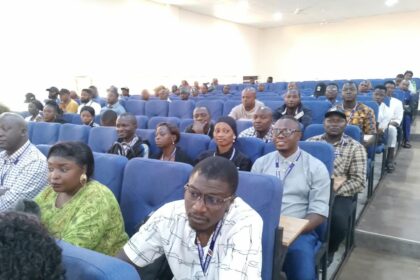
The Plateau Rural Water Supply and Sanitation Agency (PRUWASSA) has intensified efforts to strengthen its response to climate-related disasters and public health emergencies through specialised capacity building for members of its Emergency Response Team (ERT). The training, organised under the Sustainable Urban Rural Water Supply, Sanitation and Hygiene (SURWASH) programme, is aimed at repositioning the agency for faster, coordinated and effective responses to emergencies capable of disrupting water infrastructure and threatening public health in rural communities.
Participants received intensive theoretical and practical training on emergency preparedness, risk assessment, infrastructure protection, rapid response and public health interventions.
Speaking to participants, the General Manager of PRUWASSA, Engr. Godfrey Nuhu Dashuhar, challenged them to translate the knowledge acquired into practical strategies that would strengthen the agency’s emergency response operations.
He emphasised the need for an adaptable disaster response framework capable of identifying risks early, protecting critical water infrastructure and preventing environmental hazards from developing into major public health emergencies. Also speaking, the SURWASH Programme Coordinator, Engr. Jonathan Malan, said the increasing frequency of climate-induced disasters had made proactive emergency management essential to the water and sanitation sector.
He identified flooding, prolonged dry spells, extreme weather events and disease outbreaks as some of the emerging threats to essential water and sanitation services.
According to him, PRUWASSA personnel are often at the frontline of rural public health emergencies, particularly when disasters damage water facilities and disrupt sanitation systems.
He explained that damaged or contaminated water infrastructure could accelerate the spread of infectious diseases, making timely intervention critical to protecting affected communities.
The training therefore equipped participants with practical measures for securing safe drinking water, disinfecting affected locations, containing hazards and restoring essential services. Particular emphasis was placed on infrastructure protection, with field officers trained to assess damaged facilities and undertake emergency repairs to restore water services promptly.
Facilitators also stressed the importance of effective communication, coordination and adherence to standard operating procedures during emergencies, noting that successful disaster response depends largely on adequate preparation, accurate hazard identification and clear safety protocols. The training was facilitated by a team of experts led by Professor Saeed Ahmed, combining classroom sessions with practical field exercises designed to test participants’ ability to respond effectively under high-pressure emergency situations.
Flood management featured prominently in the training, reflecting the recurring impact of seasonal rainfall on communities across Plateau State.
Participants examined procedures for draining affected water networks and deploying emergency water purification systems when conventional sources become contaminated or inaccessible.
Beyond immediate emergency response, the workshop also focused on post-disaster recovery and long-term climate resilience.
Participants were trained on assessing structural damage, conducting environmental audits and rebuilding damaged water infrastructure to improved durability standards capable of withstanding future climate-related risks. Sharing his experience from the training, Geologist Daniel Jonah Mahwell said the new approach would enable him to move beyond basic repairs and incorporate climate resilience into the planning, rehabilitation and maintenance of rural water infrastructure.
The training represents a significant step towards strengthening Plateau State’s emergency preparedness and climate resilience in the water and sanitation sector.
With enhanced technical capacity and a better-prepared Emergency Response Team, PRUWASSA is expected to improve its ability to safeguard critical water infrastructure, maintain essential services during emergencies and protect vulnerable rural communities across the state.