

The Leprosy and Tuberculosis Relief Initiative (LTR Nigeria), with support from Netherlands Leprosy Relief (NLR) and Virtutis Opus Foundation, has reaffirmed its commitment to promoting dignity, inclusion and economic empowerment for persons affected by leprosy through a high-level stakeholder engagement held in Jos, Plateau State.
The event, which took place at Green Valley Suites, Jos, brought together government officials, healthcare professionals, development partners, traditional leaders, media practitioners and beneficiaries under the theme, “Empowerment of Persons Affected by Leprosy through Art and Craft in Nigeria.”
The engagement marked the culmination of the Breaking Stigma Through Building Stories Project, an innovative initiative designed to challenge harmful stereotypes surrounding leprosy while amplifying the voices, talents and aspirations of persons affected by the disease.
Representing the Executive Director of LTR Nigeria, Dr. Tahir Dahir, the Administrative Officer, Naomi Iye Idakwo, emphasized that true rehabilitation extends beyond medical treatment to include social acceptance, economic participation and personal dignity.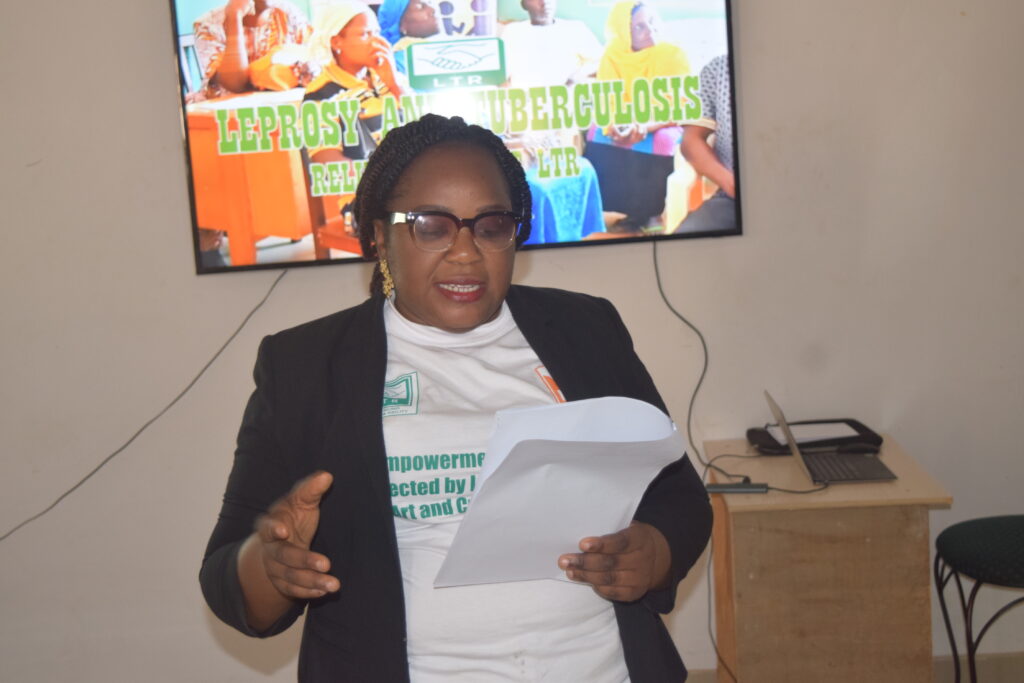
She noted that the project has equipped beneficiaries with practical vocational skills and provided platforms for them to showcase their creativity and productivity, helping to change public perceptions about people affected by leprosy.
According to her, the initiative demonstrates that persons affected by leprosy can contribute meaningfully to society when given the opportunity and support they deserve.
The Plateau State Commissioner for Health, Dr. Nicholas Baamlong, commended LTR Nigeria and its partners for adopting a holistic approach that combines healthcare, rehabilitation and socioeconomic empowerment.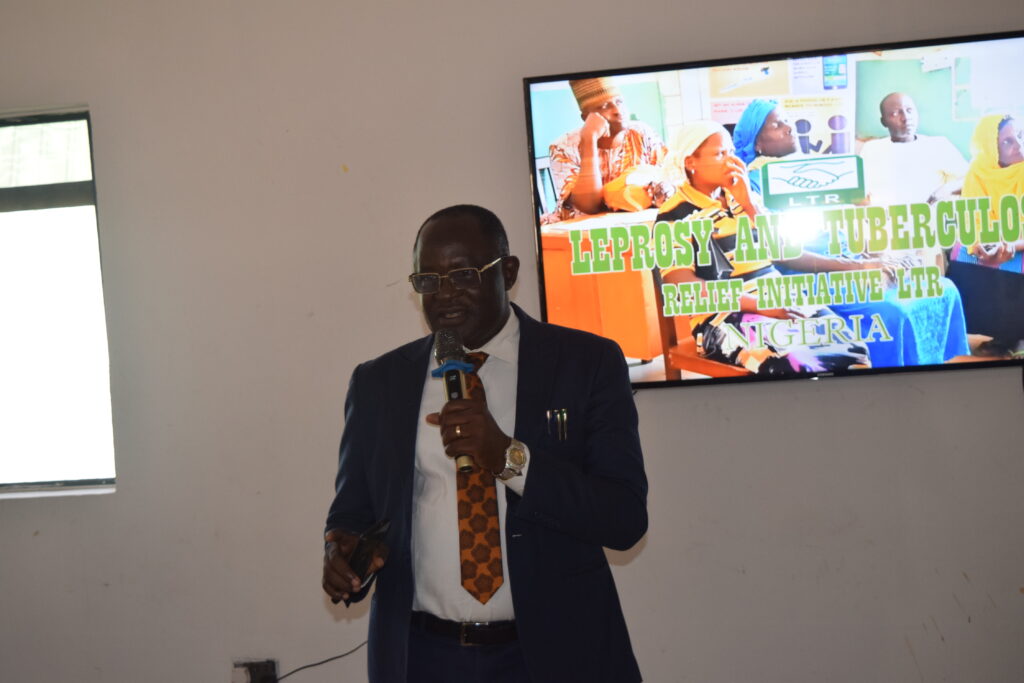
He stressed the importance of sustaining the gains recorded under the project and called for stronger collaboration among stakeholders to ensure that beneficiaries continue to enjoy opportunities for growth and self-reliance.
Dr. Baamlong also reaffirmed the commitment of the Plateau State Government to supporting programmes that improve the wellbeing of vulnerable populations while promoting inclusion and reducing discrimination.
Also speaking, the Medical Superintendent of the Cocin Hospital and Rehabilitation Centre, Dr. Marypatience Okereafor, described the project as a transformative intervention that has created pathways for healing, self-expression and sustainable livelihoods.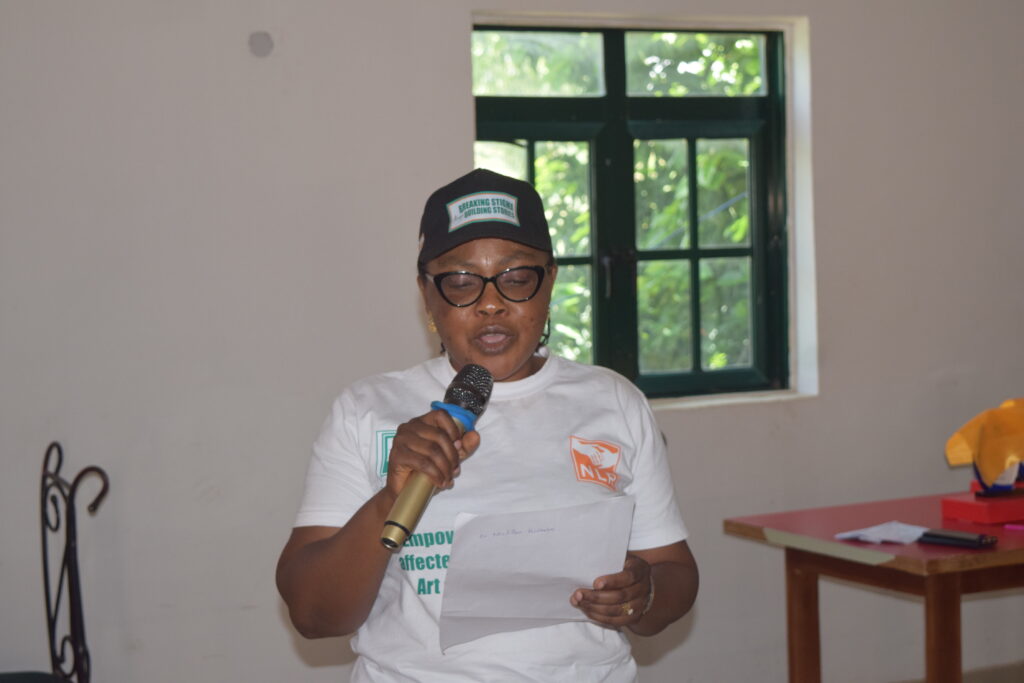
She encouraged beneficiaries to maximize the opportunities provided while urging communities to continue offering support and encouragement to persons affected by leprosy.
Other participants included the Plateau State Tuberculosis, Leprosy and Buruli Ulcer Control Programme Manager, Dr. Maxwell Jublick, representatives of development organizations, traditional institutions and members of the media.
A highlight of the event was the emotional testimony of project beneficiary Yusuf Lisam, who expressed gratitude to LTR Nigeria and its partners for helping to rebuild confidence and restore hope among persons affected by leprosy.
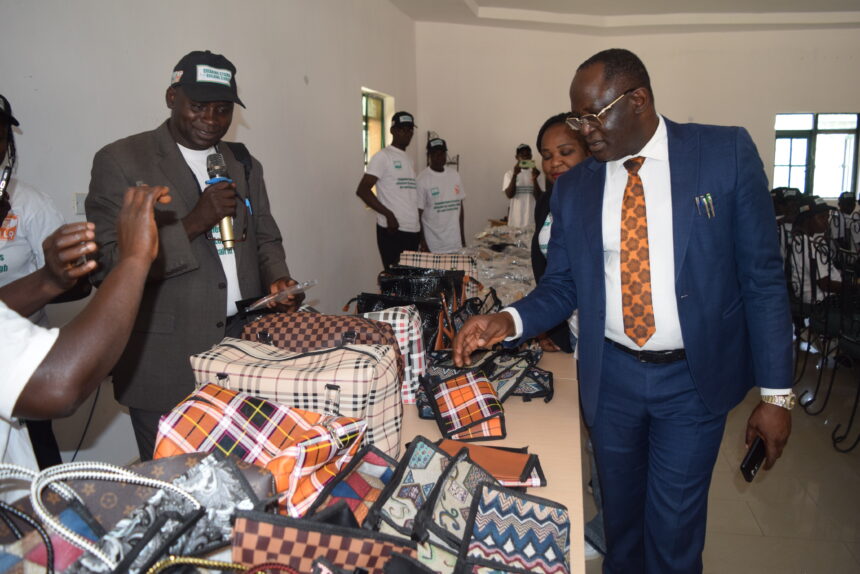
According to him, the project has significantly reduced stigma by enabling beneficiaries to produce and market quality products such as bags, shoes and other handcrafted items that are now widely accepted by members of the public.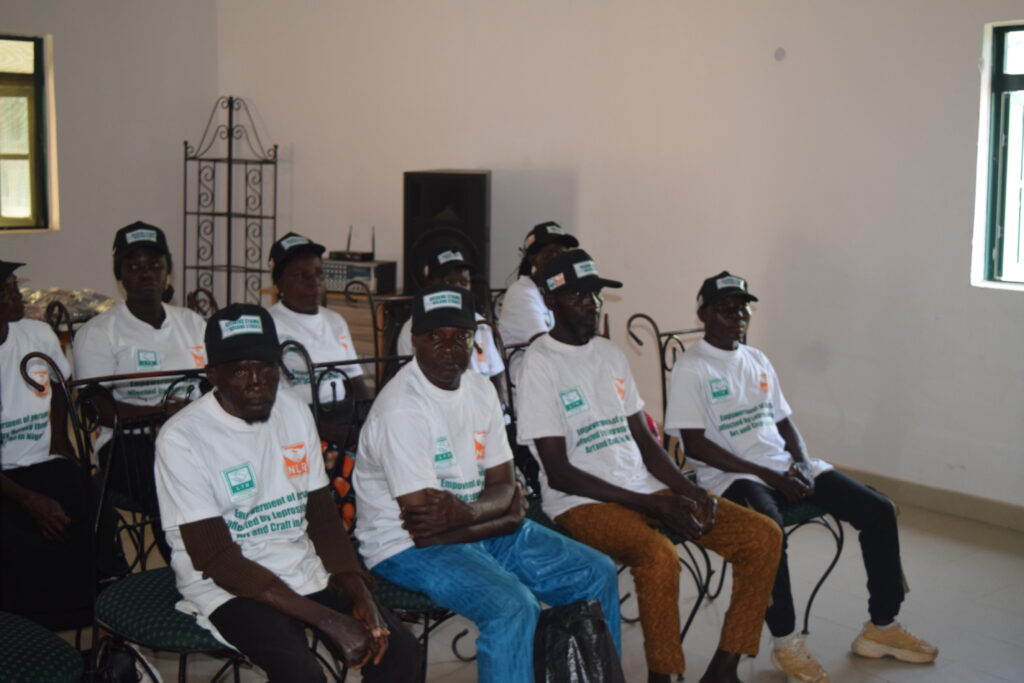
He further explained that the use of mobile phones and videography to document and share personal stories has proven effective in changing perceptions and encouraging early health-seeking behaviour among community members.
“People now see that we are living dignified lives. They see that we can work, create and contribute to society. This project has changed our lives,” he said.
In recognition of outstanding commitment and participation, LTR Nigeria presented Awards of Excellence to beneficiaries Yusuf Lisam and Luwisa Amos Muduutdan.
The organization also honoured Dr. Ibrahim Mikail, Project Coordinator, and Dr. Marypatience Okereafor, Medical Superintendent of Cocin Hospital and Rehabilitation Centre, with Awards of Recognition for their contributions to the successful implementation of the initiative.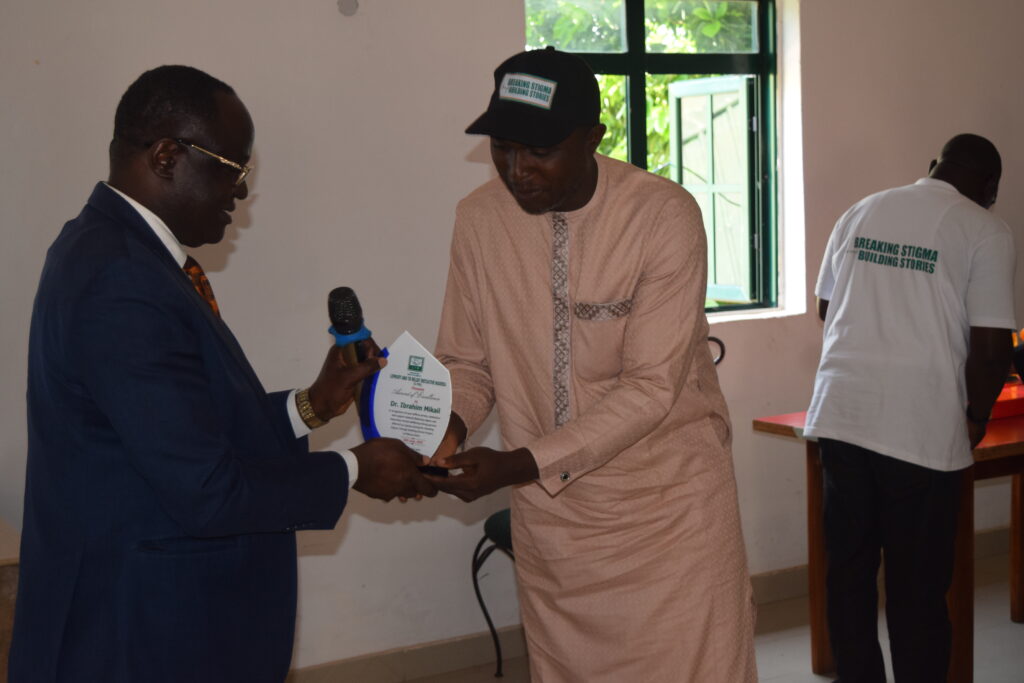
Speaking on the broader impact of the project, LTR Nigeria reiterated its vision of building a society where no individual is defined by disease or subjected to discrimination because of their health condition.
The organization emphasized that ending stigma requires collective action, stronger partnerships and sustained investments in social and economic empowerment.
Implemented with support from Netherlands Leprosy Relief (NLR) and Virtutis Opus Foundation, the Breaking Stigma Through Building Stories Project has demonstrated the transformative power of storytelling, art, craft and community engagement in fostering dignity, opportunity and inclusion for persons affected by leprosy.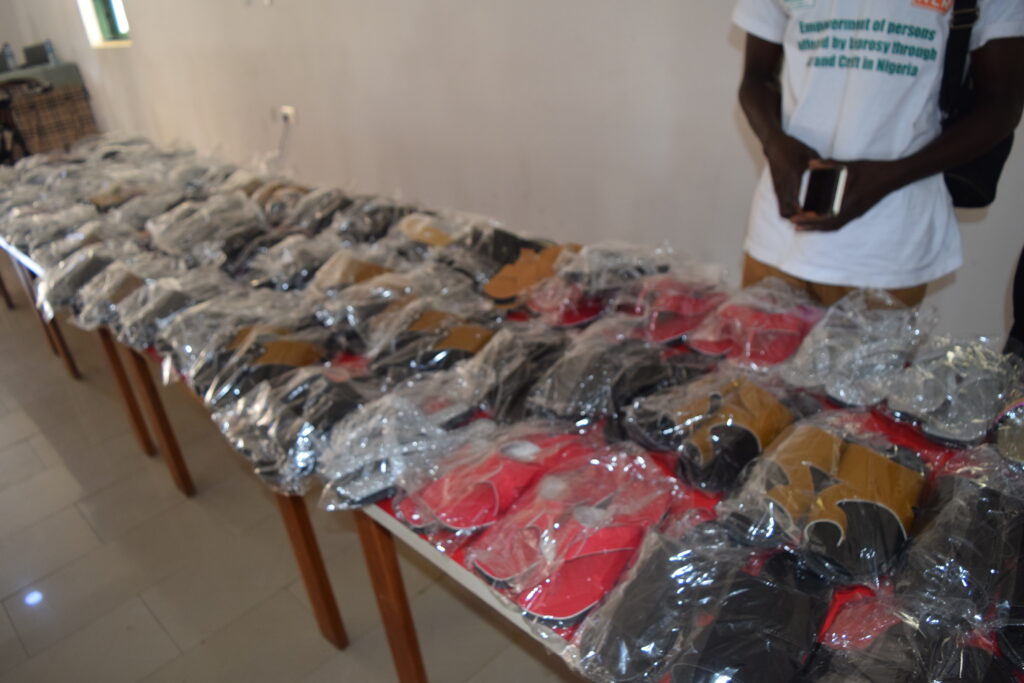
As stakeholders reflected on the project’s achievements, a common message emerged: a more inclusive society is possible when communities choose understanding over prejudice and empowerment over exclusion.