

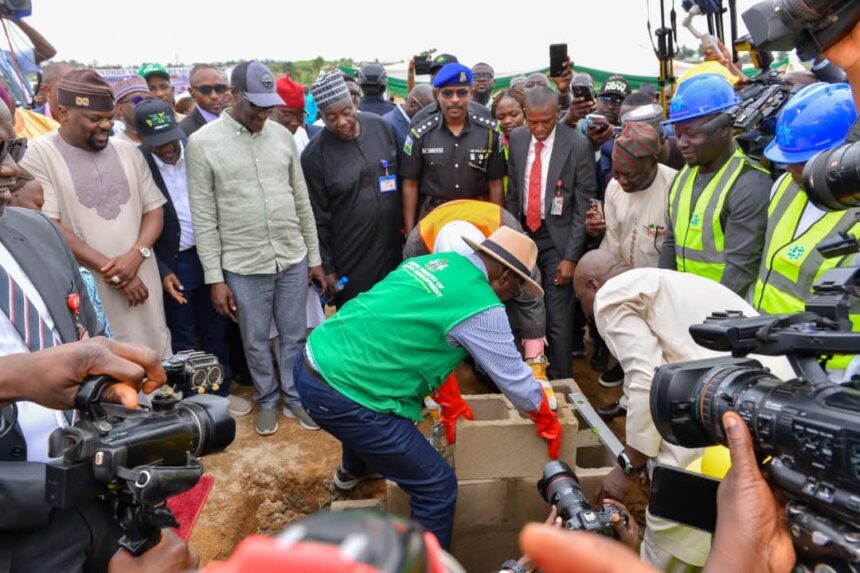
The Federal Government, through the Federal Ministry of Livestock Development, has taken a significant step toward transforming Nigeria’s livestock industry with the groundbreaking ceremony for a state-of-the-art abattoir in Jos, Plateau State.
The modern facility, designed to process up to 500 bulls daily, is expected to revolutionize the nation’s red meat value chain by improving food safety standards, creating thousands of jobs, boosting value addition, and enhancing Nigeria’s competitiveness in regional and global meat markets.
Speaking during the ceremony, the Honourable Minister of Livestock Development described the project as a landmark investment that aligns with the Federal Government’s vision of building a productive, sustainable, and globally competitive livestock sector.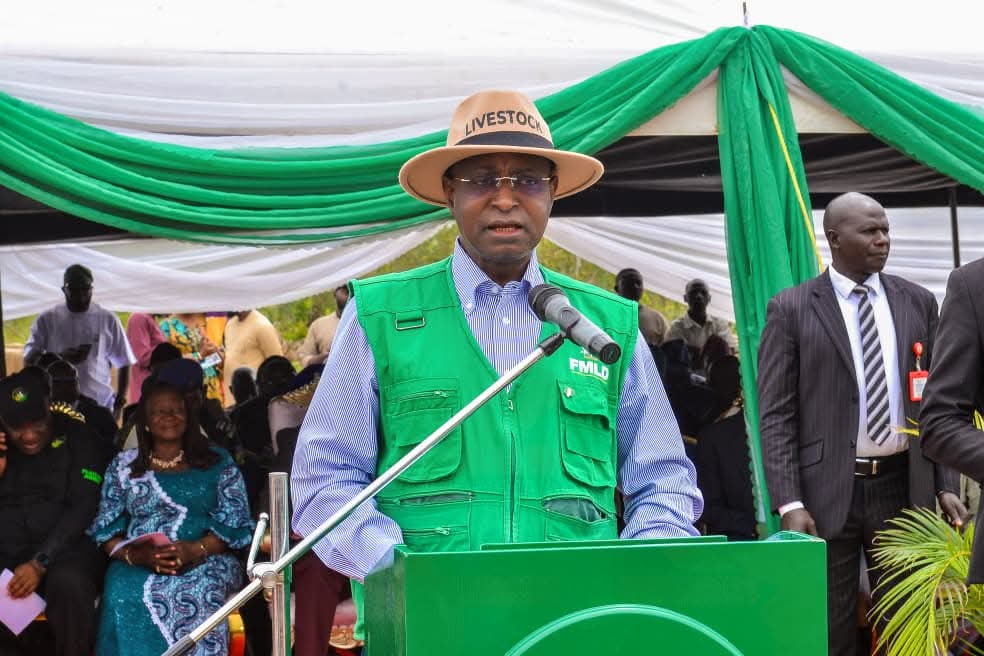
According to the Minister, the project goes beyond the construction of a slaughterhouse. Rather, it is a strategic intervention aimed at stimulating economic growth, improving public health, supporting livestock producers, and creating opportunities across the entire livestock value chain.
“Today’s groundbreaking marks the beginning of a transformative journey for Nigeria’s livestock industry. This facility will provide a modern, hygienic, and efficient meat processing environment that meets global standards while creating opportunities across the entire livestock value chain,” the Minister stated.
Plateau State was selected as the host location due to its strategic advantages, including favorable climatic conditions, a strong agricultural base, established livestock activities, and the presence of the National Veterinary Research Institute (NVRI), Vom. The state’s accessibility through road, rail, and air transportation networks further strengthens its position as a key livestock and agribusiness hub.
When completed, the facility is expected to significantly improve food safety through modern veterinary inspection systems, hygienic slaughter processes, quality assurance mechanisms, and environmentally sustainable waste management practices. The project will also strengthen disease surveillance and contribute to improved public health outcomes.
The Ministry explained that the abattoir will function as an integrated livestock processing center where meat and by-products such as hides, skins, bones, blood, fats, and other materials will be converted into valuable industrial products. These include leather goods, fertilizers, animal feed ingredients, pharmaceuticals, biogas, and other commercial products.
Beyond its industrial benefits, the project is expected to generate substantial employment opportunities. Estimates indicate that between 7,000 and 10,000 direct and indirect jobs will be created across livestock production, veterinary services, feed and fodder development, transportation, cold-chain logistics, meat processing, leather manufacturing, waste management, and marketing.
The Minister emphasized that the long-term success of the project would depend on collaboration among government institutions, private investors, livestock producers, processors, financial institutions, and host communities. He urged stakeholders to support the development of structured livestock supply systems, including ranches, feedlots, grazing reserves, fodder estates, veterinary networks, and livestock aggregation centers.
The Ministry further highlighted the project’s potential contribution to peace and security by promoting more productive livestock systems, reducing pressure on land resources, and fostering cooperation among farming and livestock-rearing communities.
Young people and women were also encouraged to take advantage of emerging opportunities within the sector, particularly in areas such as animal nutrition, veterinary medicine, meat science, cold-chain management, leather technology, quality assurance, agribusiness, and value-added processing.
The Jos Modern Abattoir Project forms part of the National Livestock Growth Acceleration Strategy (NL-GAS) 2025–2035 and supports the Federal Government’s Renewed Hope Agenda aimed at economic diversification, food security, and job creation.
The Ministry expressed appreciation to the Government and people of Plateau State, investors, development partners, traditional institutions, veterinarians, livestock producers, processors, and host communities for their support and partnership.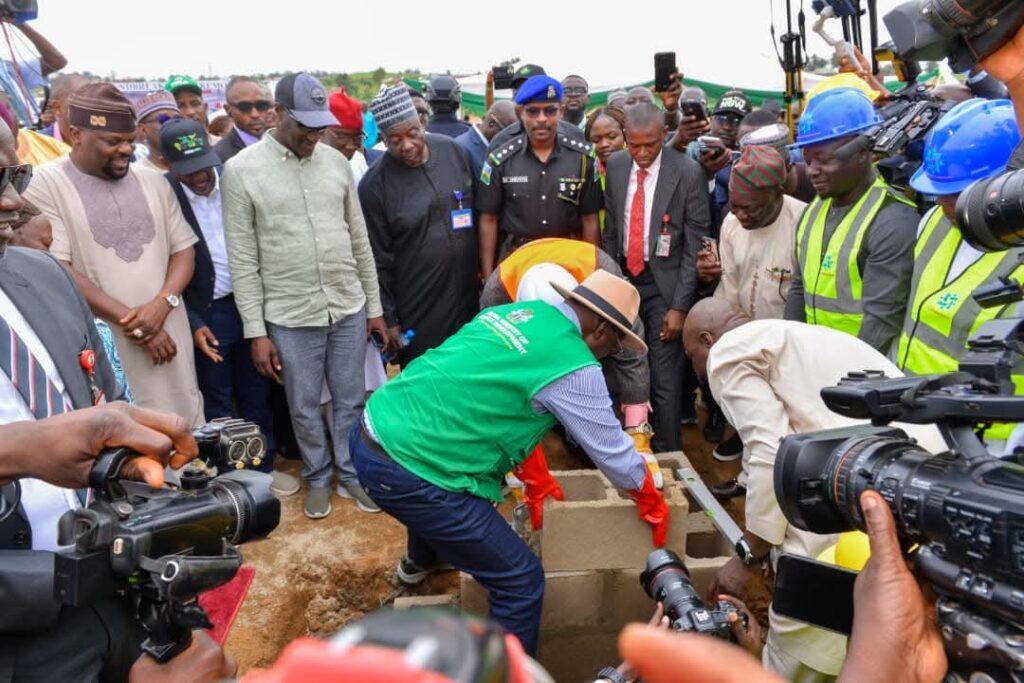
Upon completion, the facility is expected to serve as a national model for modern meat processing, food safety, environmental sustainability, employment generation, and export-ready livestock production.